Should I Get a Heat Sink for My SSD?
- Yongxing
- 23 Jun ,2026
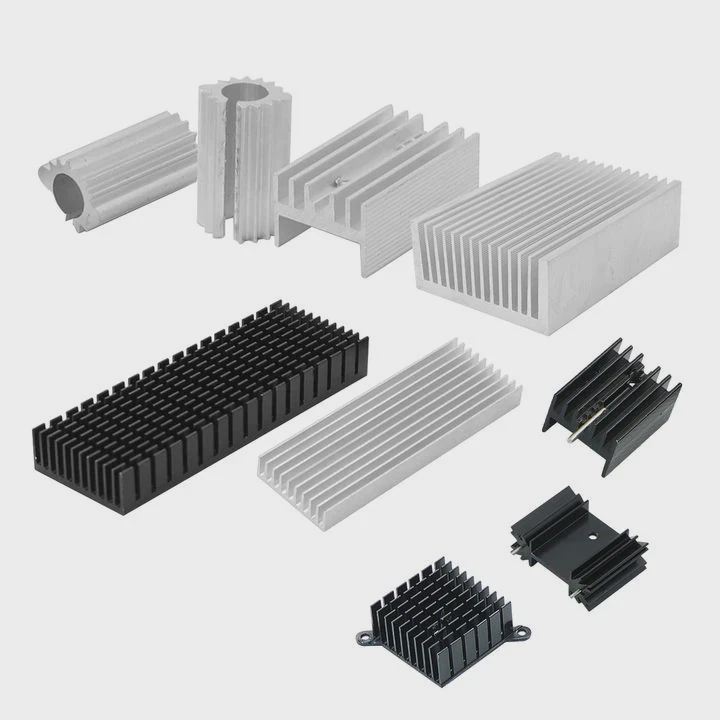
SSDs are fast but can overheat under heavy use. Can a heat sink keep them stable and extend their lifespan?
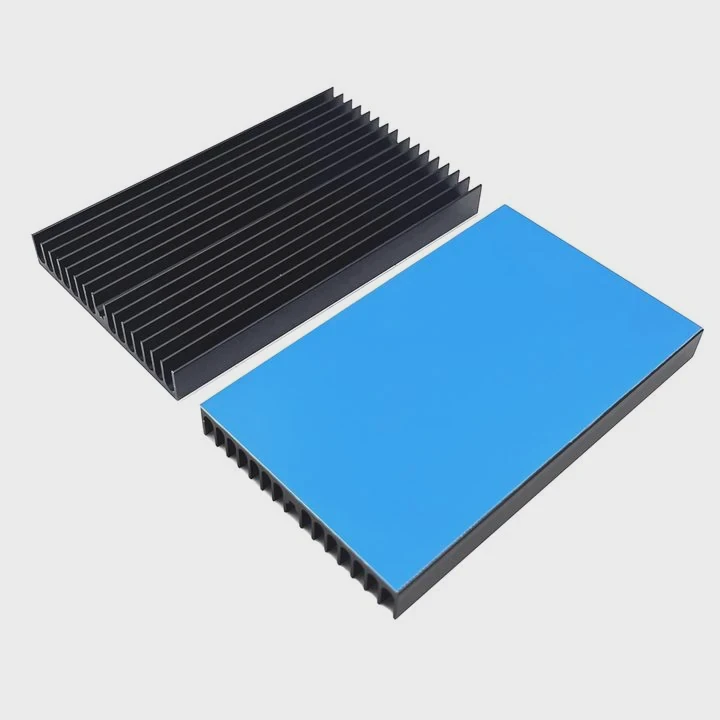
A heat sink improves SSD performance by dissipating heat from the controller and memory chips, reducing thermal throttling, and maintaining consistent read/write speeds.
Understanding how heat affects SSDs helps decide if a heat sink is necessary for your setup.
How does a heat sink improve SSD stability?
When an SSD heats up, its controller may throttle speed to prevent damage. A heat sink keeps the temperature lower, so the drive can maintain full performance for longer periods.
Lower temperatures also reduce wear on NAND memory cells, which extends the SSD’s lifespan and ensures stable data retention.
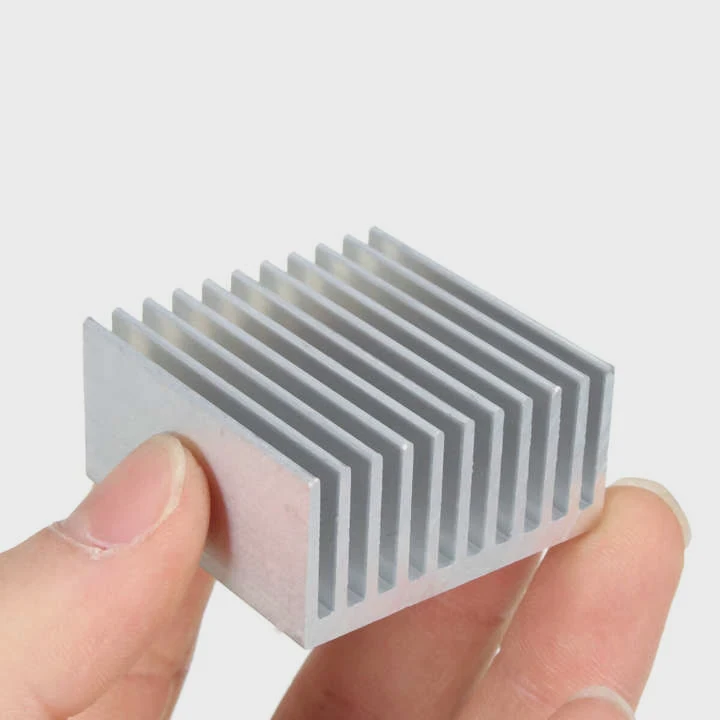
Benefits of heat sinks
- Reduced thermal throttling: Prevents sudden speed drops during heavy workloads.
- Lower junction temperature: Protects the controller and NAND chips.
- Consistent performance: Maintains maximum read/write speeds over time.
- Extended lifespan: Slower degradation of memory cells and controller circuits.
Key considerations
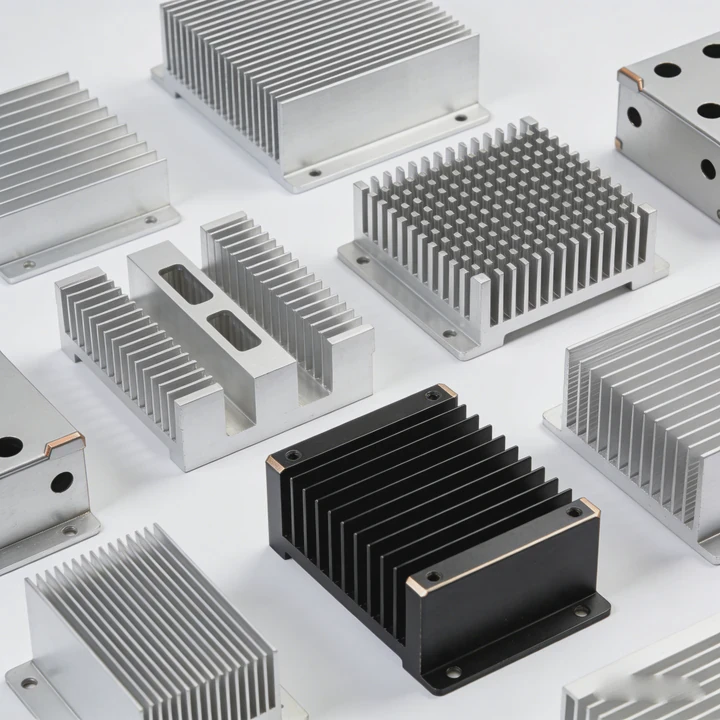
- Material: Aluminum is common; copper is better for high-power drives.
- Surface area: More fins improve heat dissipation.
- Installation: Proper contact with thermal pads ensures efficiency.
Temperature effect table
| SSD Component | Heat Generation | Impact Without Heat Sink |
|---|---|---|
| Controller | High | Throttling, instability |
| NAND chips | Medium | Faster wear, reduced lifespan |
| PCB | Low | Minor effect, passive cooling usually sufficient |
Heat sinks are particularly effective for high-speed NVMe drives used in gaming, content creation, or data-intensive tasks.
Why might your SSD overheat during use?
SSDs produce heat during read/write operations. Heavy workloads, compact enclosures, or poor airflow can make the temperature rise quickly, triggering thermal throttling.
Overheating can also cause data errors or shorten the drive’s lifespan if not managed properly.
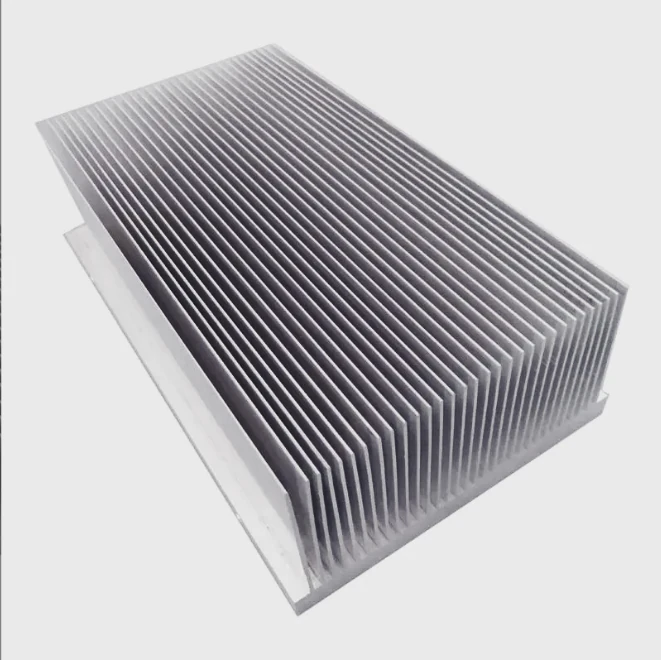
Common causes of overheating
- High-speed NVMe SSDs: PCIe Gen4/Gen5 drives generate significant heat under load.
- Continuous workloads: Video editing, rendering, or large file transfers.
- Compact systems: Laptops or mini-PCs with restricted airflow.
- Stacked drives: Multiple SSDs close together in servers or desktops.
Effects of overheating
- Reduced write and read speeds due to thermal throttling.
- Increased wear on NAND memory cells.
- Potential firmware instability or data errors.
- Shortened overall SSD lifespan.
Overheating scenarios table
| Scenario | SSD Type | Likely Effect |
|---|---|---|
| Gaming laptops | NVMe Gen4 | Thermal throttling under heavy load |
| Desktop with multiple NVMe | NVMe Gen3/4 | Slight throttling if airflow is poor |
| Data center servers | Enterprise SSD | Continuous heat, active cooling needed |
| Small form-factor PC | Compact NVMe | Limited airflow, temperature spikes |
Proper cooling ensures SSDs run reliably and avoids speed drops or unexpected shutdowns.
Where should a heat sink be installed on SSD?
Heat sinks should be attached directly to the parts that generate the most heat: the controller and NAND chips. Proper placement ensures maximum heat transfer.
Thermal pads or adhesive help the heat sink make full contact with the components, improving cooling efficiency.
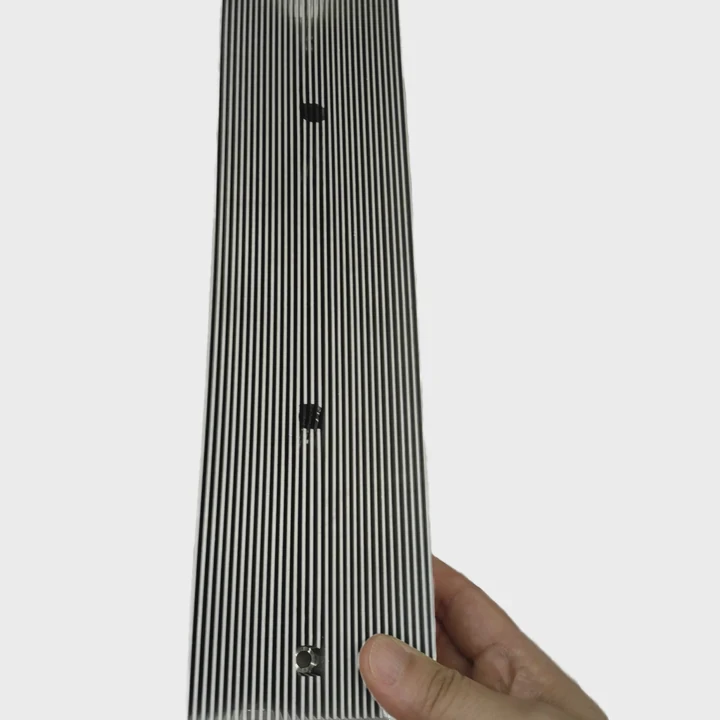
Installation tips
- Controller contact: Make sure the heat sink covers the main controller chip.
- NAND coverage: High-density NAND modules may benefit from partial coverage.
- Thermal pads: Fill microscopic gaps to improve conductivity.
- Space considerations: Ensure the SSD can still fit into the slot after adding the heat sink.
Heat sink placement table
| Component | Recommended Contact | Reason |
|---|---|---|
| Controller | Full coverage | Major heat source |
| NAND flash chips | Partial/full coverage | Reduces thermal spikes |
| PCB | Optional | Minimal heat contribution |
| Edge connectors | Not needed | Little heat generated |
Correct installation ensures the heat sink reduces hotspots and stabilizes SSD performance effectively.
Which workloads need SSD heat sinks?
High-intensity and continuous workloads generate the most heat. Heat sinks are especially helpful for gaming, rendering, video editing, or enterprise tasks.
Even mid-range SSDs may benefit from cooling in compact systems with poor airflow.
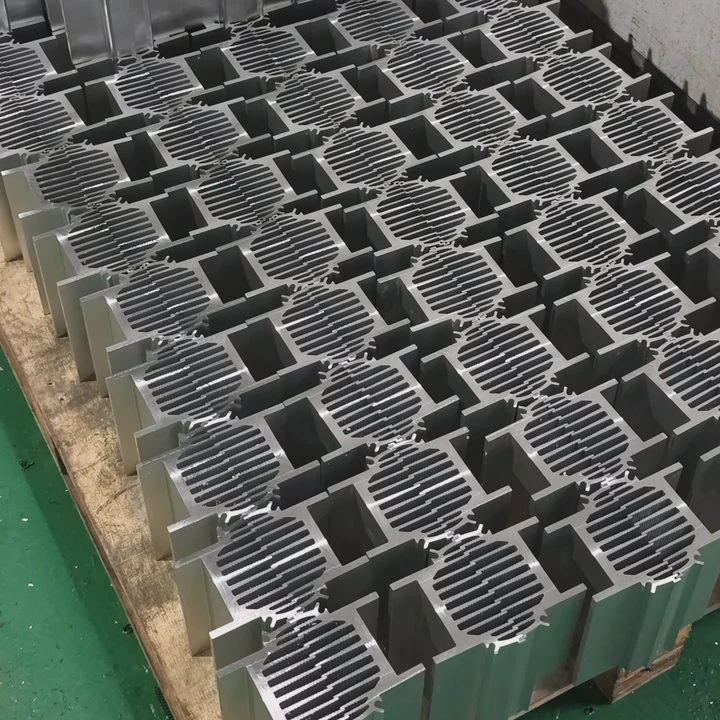
Workload examples
- Gaming PCs: High-speed NVMe SSDs load games quickly but generate heat.
- Content creation: Video editing, 4K/8K rendering, and large project files.
- Database operations: Enterprise SSDs with continuous read/write cycles.
- Multi-drive arrays: RAID setups with multiple NVMe SSDs in tight spaces.
- Small form-factor builds: Mini-PCs or laptops with limited airflow.
Cooling recommendations
- High-speed NVMe SSDs: Passive heat sink or airflow-assisted cooling.
- Moderate-speed drives in compact systems: Thermal pads and passive spreaders.
- Enterprise or RAID setups: Active cooling or airflow management.
Workload and cooling table
| Workload Type | SSD Type | Recommended Cooling | Notes |
|---|---|---|---|
| Gaming PC | NVMe Gen4 1TB+ | Heat sink + airflow | Maintain peak performance |
| Video editing/rendering | NVMe Gen4/5 | Heat sink + airflow | Prevent throttling during long sessions |
| Enterprise database | Enterprise SSD | Active cooling | Continuous heavy I/O |
| Mini-PC / compact build | NVMe Gen3/4 | Heat spreader only | Space-constrained, moderate heat |
Cooling solutions improve reliability, performance consistency, and extend SSD lifespan across demanding workloads.
Conclusion
A heat sink can stabilize SSD performance, reduce thermal throttling, and extend lifespan. High-speed NVMe drives, continuous workloads, and compact builds benefit most. Proper placement and airflow ensure reliable operation and long-term speed.