What Is the Minimum Order Quantity for Heat Sinks?
- Yongxing
- 24 Jun ,2026
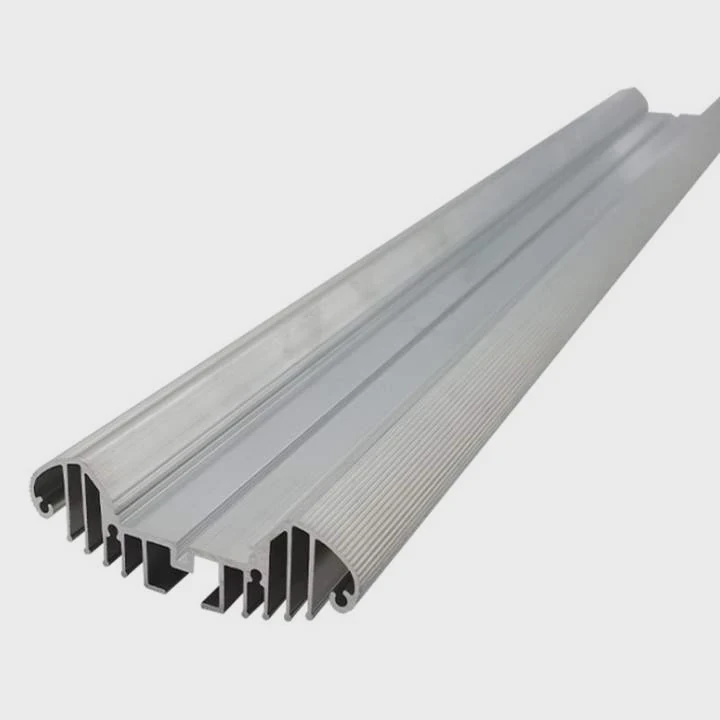
Many buyers struggle with MOQ limits when sourcing heat sinks. Small orders often face high costs, slow replies, or even rejection from factories.
The minimum order quantity for heat sinks depends on the product type, process, and supplier. Some manufacturers accept low-volume prototype orders, while others focus on large OEM production with higher MOQs.
MOQ is one of the first topics buyers discuss when sourcing custom heat sinks. It affects price, lead time, tooling, and supplier selection. Many engineers and purchasing managers worry about ordering too much inventory before testing product performance. At the same time, factories also need stable production volumes to control costs. Understanding how MOQ works helps buyers avoid delays, reduce risk, and choose the right manufacturing partner.
Do manufacturers offer flexible MOQs?
Many buyers fear large MOQ requirements. This becomes a problem during product development, especially for startups and new projects with uncertain demand.
Yes, many heat sink manufacturers now offer flexible MOQs for prototypes, small-batch testing, and long-term OEM projects. The flexibility usually depends on production process, material, and customization level.
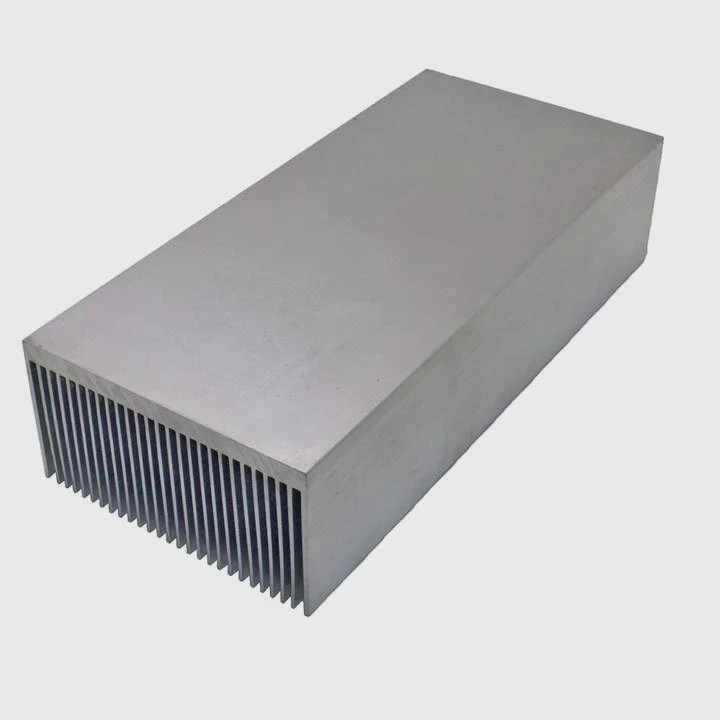
Different heat sink factories use different MOQ strategies. Some companies focus only on high-volume manufacturing. Others support both low-volume and mass production. In many cases, MOQ flexibility depends on whether the product uses standard tooling or requires custom tooling.
MOQ Depends on Manufacturing Process
The production method changes the MOQ requirement significantly.
| Manufacturing Process | Typical MOQ | Main Reason |
|---|---|---|
| Aluminum Extrusion | Medium to High | Requires extrusion die |
| CNC Machining | Low | No tooling needed |
| Skived Fin Heat Sink | Medium | Material waste and setup time |
| Die Casting | High | Expensive mold investment |
| Vacuum Brazing | Medium | Batch processing efficiency |
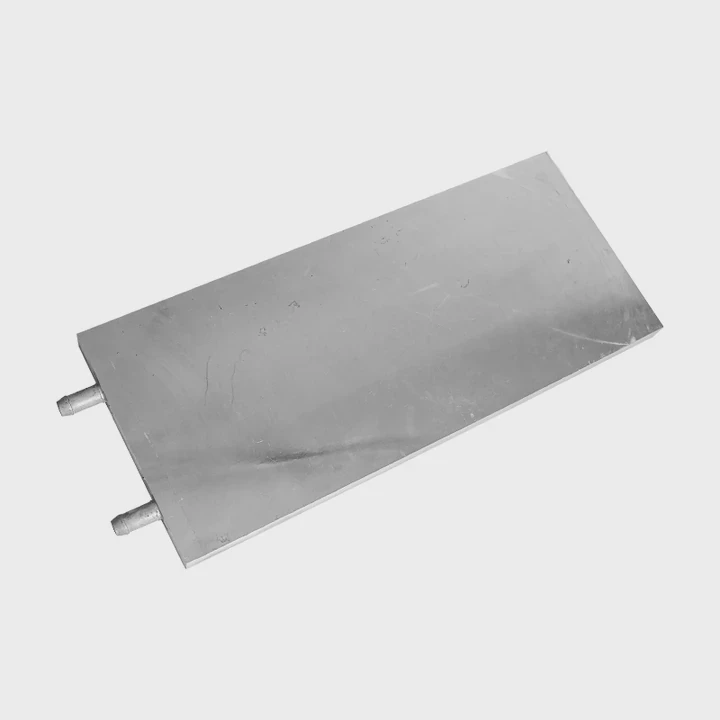
| Liquid Cooling Plate | Medium to High | Complex assembly |
For example, CNC-machined heat sinks often support low MOQs because there is no extrusion die cost. A customer can order 10 to 50 pieces for testing. This is common in semiconductor projects and medical equipment development.
Extruded aluminum heat sinks usually require a custom die. Factories prefer higher quantities because they need to recover tooling costs. Still, many suppliers today allow flexible startup quantities if the customer agrees to pay tooling fees separately.
Prototype Orders Are More Common Today
Ten years ago, many heat sink suppliers ignored small orders. The market has changed. Many factories now support engineering samples and prototype runs because customers want faster product development cycles.
In one recent project, a European rail transit customer needed only 20 liquid cooling plates for thermal testing. The design later moved into mass production after six months. Flexible MOQ support helped both sides start cooperation earlier.
This trend is especially common in industries like:
- 5G communication
- EV battery systems
- Medical electronics
- Laser equipment
- AI servers
- Semiconductor cooling
Suppliers Evaluate Long-Term Potential
Factories do not only look at current order quantity. Many suppliers also consider future demand.
A buyer with strong technical documents, clear project schedules, and long-term plans often receives better MOQ flexibility. Good communication matters. Suppliers want confidence that the project may grow later.
Ways Buyers Can Negotiate Lower MOQ
Buyers can improve MOQ flexibility using simple strategies.
Use Existing Tooling
Existing profiles reduce tooling cost and lower production barriers.
Accept Standard Materials
Custom alloys increase setup complexity. Standard aluminum grades simplify production.
Combine Multiple Parts
Some buyers combine several thermal components into one order to reach MOQ targets faster.
Pay Tooling Cost Separately
This approach allows factories to accept smaller production quantities.
MOQ Is Also About Production Stability
Factories need stable production planning. Small orders interrupt production schedules if handled inefficiently.
That is why experienced manufacturers balance flexibility with manufacturing efficiency. A supplier with complete in-house processes often handles low-volume orders more smoothly because they control machining, welding, brazing, and testing internally.
For buyers, the best approach is not simply asking for the lowest MOQ. The real goal is finding a supplier that can scale from prototype to mass production without quality changes.
How does MOQ affect pricing?
Low MOQ sounds attractive at first. Still, many buyers become surprised when small orders carry very high unit costs.
MOQ directly affects heat sink pricing because tooling, setup, labor, and material costs are distributed across production quantity. Lower quantities usually mean higher cost per unit.
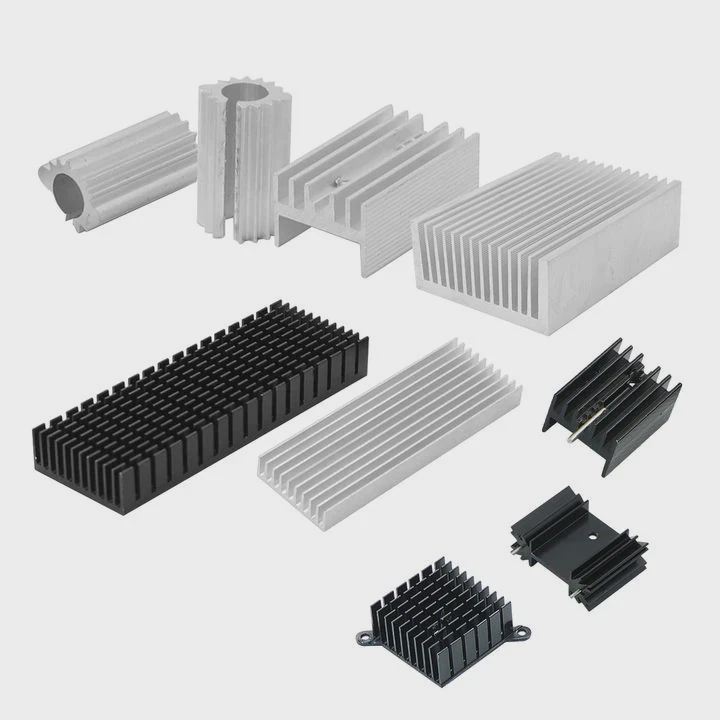
MOQ and pricing are deeply connected in heat sink manufacturing. Many new buyers only focus on piece price. However, factories calculate total production efficiency, machine time, material usage, and labor allocation together.
Fixed Costs Become Expensive in Small Orders
Every production run contains fixed costs.
These costs include:
- Engineering review
- CNC programming
- Tool setup
- Machine calibration
- Material preparation
- Thermal testing
- Packaging setup
Whether the factory produces 20 pieces or 20,000 pieces, many preparation steps stay almost the same.
Example of MOQ Pricing Impact
| Order Quantity | Unit Cost | Main Cost Driver |
|---|---|---|
| 20 pcs | High | Setup and labor |
| 100 pcs | Medium | Shared setup cost |
| 1,000 pcs | Lower | Production efficiency |
| 10,000 pcs | Lowest | Material and automation savings |
This explains why some buyers receive surprisingly high quotations for small prototype runs.
Material Purchasing Also Changes Cost
Factories buy raw materials in bulk. Higher order quantities improve purchasing leverage.
For example:
- Aluminum suppliers offer better rates for larger material purchases
- Copper prices fluctuate heavily
- Thermal interface materials often have package-based pricing
- Vacuum brazing filler metals become cheaper in volume
Small production runs cannot fully benefit from these purchasing advantages.
Machine Utilization Affects Pricing
Factories try to maximize equipment utilization. Idle machine time increases manufacturing cost.
A low-volume custom heat sink project may require:
- Frequent machine changes
- Small batch setups
- Additional inspections
- Manual handling
Large orders improve workflow consistency and reduce interruptions.
Quality Control Cost Stays Constant
Many buyers forget that inspection cost does not disappear in small orders.
Thermal performance testing, flatness inspection, leak testing for liquid cooling plates, and dimensional verification still require engineering time.
For high-reliability industries like rail transit or medical devices, quality procedures remain strict regardless of order size.
Shipping Cost Also Influences Small Orders
Small orders often have worse freight efficiency.
For example:
- Air shipping cost per unit becomes high
- Protective packaging cost increases
- Customs processing remains similar
In some international projects, shipping cost even exceeds product cost for small sample quantities.
Why Some Buyers Still Choose Small Orders
Despite higher pricing, low-volume orders still provide value.
They help buyers:
- Verify thermal design
- Test assembly compatibility
- Reduce inventory risk
- Accelerate product launch
- Validate reliability
For many engineering teams, paying more for early validation is cheaper than redesigning an entire thermal system later.
Can bulk orders reduce costs?
Heat sink buyers always search for ways to lower total project cost. Bulk purchasing is one of the most effective methods.
Yes, bulk heat sink orders usually reduce unit cost because factories gain better material efficiency, production stability, labor utilization, and shipping optimization.
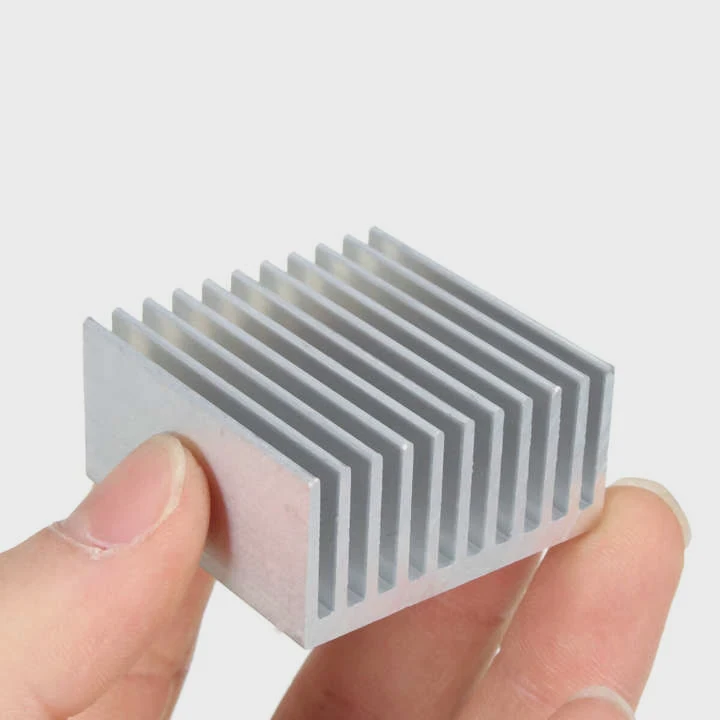
Bulk ordering creates advantages across the entire supply chain. The savings go beyond simple material discounts.
Material Costs Improve Significantly
Raw material suppliers offer better pricing for large purchases.
This matters especially for:
- Aluminum heat sinks
- Copper heat sinks
- Vapor chamber assemblies
- Liquid cooling systems
Copper prices fluctuate often. Bulk contracts help stabilize cost and reduce purchasing risk.
Production Efficiency Increases
Large orders improve factory workflow.
Instead of frequent machine changes, operators can maintain continuous production.
This creates advantages such as:
- Reduced setup time
- Lower scrap rates
- Faster inspection process
- Stable welding parameters
- Better thermal consistency
In many cases, thermal performance also becomes more stable during long production runs because process parameters stay consistent.
Automation Becomes More Economical
Some manufacturing methods only become cost-effective in larger volumes.
Examples include:
| Production Technology | Better for Large Volumes | Reason |
|---|---|---|
| Die Casting | Yes | Mold amortization |
| Automatic Fin Assembly | Yes | Reduced labor |
| Robotic Welding | Yes | Stable cycle efficiency |
| Vacuum Brazing | Yes | Batch furnace loading |
| Automated Leak Testing | Yes | Faster inspection |
Factories invest more confidently in automation when production volume remains stable.
Bulk Orders Improve Supply Chain Stability
Stable order forecasts help factories plan materials and manpower.
This reduces risks like:
- Raw material shortages
- Long lead times
- Production delays
- Capacity conflicts
Many long-term customers receive priority scheduling because predictable demand improves factory planning.
Shipping and Logistics Become More Efficient
Bulk shipments reduce transportation cost per unit.
Sea freight becomes more practical for large orders. Packaging also improves because factories can optimize carton sizes and pallet loading.
For international buyers, this can create major savings.
Long-Term Cooperation Creates Hidden Value
The biggest savings often appear after the first few projects.
Long-term buyers usually receive:
- Faster engineering support
- Stable pricing agreements
- Reserved production capacity
- Better communication efficiency
- Lower tooling charges for future projects
This becomes important in industries with frequent product upgrades, such as energy storage systems and communication equipment.
Bulk Orders Still Require Inventory Planning
Large orders are not always the best choice.
Buyers must balance:
- Inventory risk
- Design revision possibility
- Market demand uncertainty
- Cash flow pressure
A practical strategy is phased purchasing. Many customers begin with pilot production, then expand after testing and market validation.
This approach reduces technical risk while still preparing for long-term cost reduction.
Which suppliers provide low-volume options?
Many buyers need small quantities first. Finding suppliers willing to support low-volume production can be difficult.
Suppliers with strong engineering capability, flexible manufacturing systems, and in-house processes are more likely to support low-volume heat sink orders.
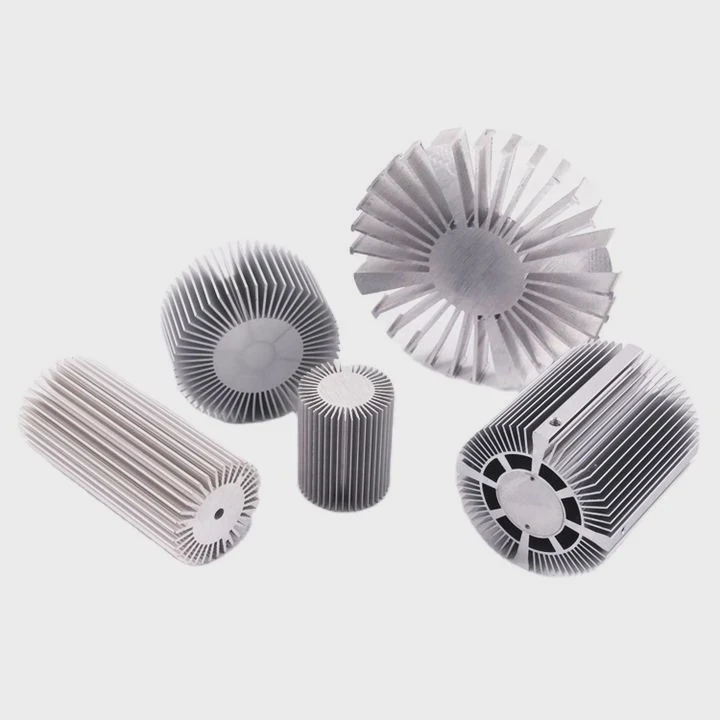
Not every heat sink supplier handles small projects efficiently. Some factories focus only on mass production. Others actively support prototype development and custom engineering projects.
CNC-Based Suppliers Usually Offer Lower MOQs
CNC machining provides the most flexibility for low-volume projects.
Since there is no dedicated extrusion die or casting mold, suppliers can start production quickly.
This works well for:
- Prototype heat sinks
- Semiconductor cooling
- Medical device projects
- AI server testing
- Custom thermal modules
The downside is higher unit pricing for larger quantities.
Integrated Manufacturers Have More Flexibility
Factories with complete in-house production systems usually support low-volume orders better.
This includes suppliers with:
- CNC machining
- Extrusion production
- Vacuum brazing
- Friction stir welding
- Thermal testing
- Surface treatment
Integrated production reduces outsourcing delays and improves scheduling flexibility.
Engineering Support Matters More Than MOQ Alone
Some buyers only compare MOQ numbers. This can become a mistake.
A supplier with strong thermal engineering support may save far more money later through:
- Better thermal design
- Reduced material waste
- Improved airflow structure
- Lower thermal resistance
- Faster product validation
Low MOQ only helps if the product performs correctly.
Questions Buyers Should Ask Suppliers
Before selecting a low-volume supplier, buyers should ask practical questions.
Can the supplier scale later?
Prototype success often leads to larger production.
Does the supplier provide thermal simulation?
Thermal validation reduces future redesign risk.
Are testing reports available?
Reliable suppliers provide measurable thermal data.
Can the supplier support design optimization?
Engineering feedback often improves manufacturability.
Industries That Commonly Need Low MOQ
Several industries regularly request small-volume heat sink production.
| Industry | Reason for Low MOQ |
|---|---|
| Medical Equipment | Certification testing |
| Semiconductor | Prototype verification |
| Aerospace | Small specialized systems |
| Rail Transit | Project-based quantities |
| Laboratory Equipment | Limited production runs |
| Defense Electronics | Custom applications |
These industries prioritize reliability more than ultra-low pricing.
The Best Supplier Is Not Always the Cheapest
Very low-cost suppliers sometimes lack engineering capability or quality consistency.
In thermal management projects, poor reliability can become extremely expensive later.
A reliable supplier should provide:
- Stable manufacturing process
- Technical communication
- Material traceability
- Thermal performance testing
- Consistent production quality
For many buyers, the ideal supplier is one that supports both small prototype orders and future mass production expansion without changing manufacturing standards.
Conclusion
MOQ affects every stage of heat sink sourcing, from prototype development to mass production. Buyers who understand MOQ flexibility, pricing impact, and supplier capability can reduce risk, improve thermal performance, and build stronger long-term manufacturing partnerships.