What packaging standards are required for shipping heat sinks?
- Yongxing
- 25 Jun ,2026
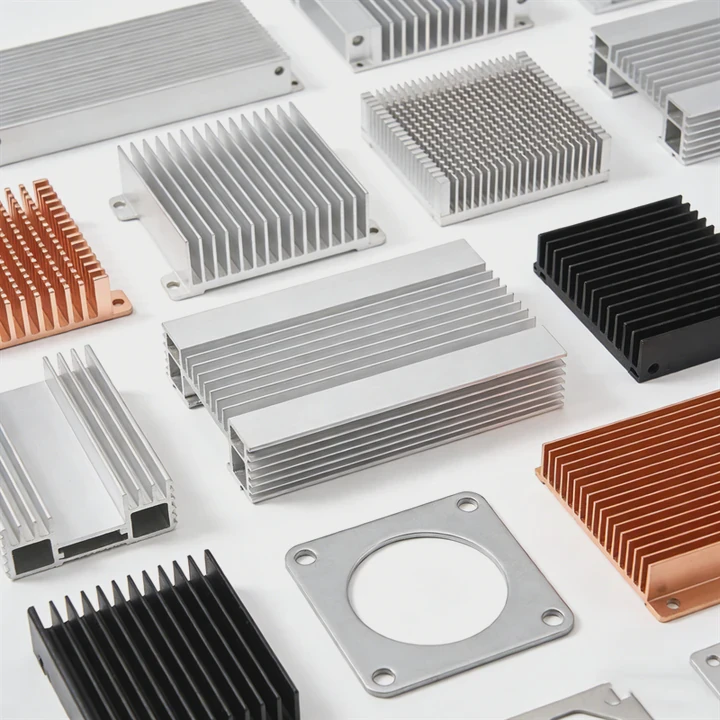
Heat sinks can fail before installation if packaging is weak. Bent fins, surface scratches, and internal damage often happen during loading and transport.
Heat sink packaging standards must protect fins, surfaces, structure, and thermal performance during storage and shipping. Good packaging uses foam, trays, cartons, pallets, moisture protection, and shock control to reduce transport damage in domestic and international delivery.
Many buyers focus on thermal design and production quality, but shipping protection matters just as much. A perfectly machined heat sink still loses value if it arrives damaged. Strong packaging is part of product quality, not an extra step.
How to protect fins during transport?
Thin fins improve heat dissipation, but they also bend easily during shipping. Even small pressure can deform the structure and affect airflow.
Heat sink fins are protected during transport by using foam supports, plastic trays, partition layers, corner protection, anti-pressure structures, and stable carton packing that prevents movement and direct impact.
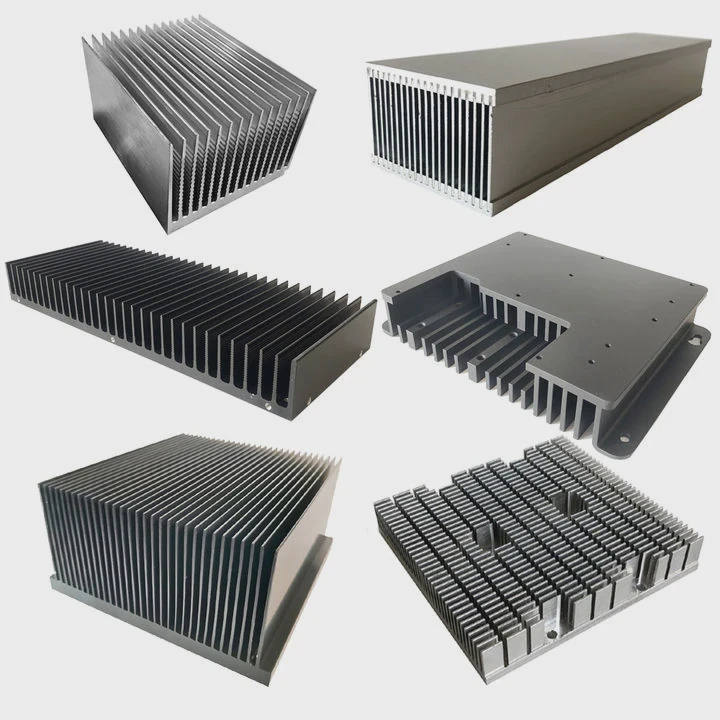
Fins are usually the weakest part of a heat sink during transportation. Aluminum fins can bend from vibration, stacking pressure, or sudden impact. Copper fins are even softer in some cases. This is why fin protection starts before the product enters the carton.
Why fins get damaged easily
Many heat sinks use thin and tall fin structures to increase cooling area. This design improves thermal performance, but it creates mechanical risk during transport. If products move inside the box, the fins may collide with each other. If the carton is compressed, the fin tips may bend under pressure.
Some buyers think stronger outer cartons alone can solve the problem. That is not enough. Internal support matters more than carton thickness in many situations.
Common fin protection methods
Factories usually choose packaging based on fin shape, weight, and shipping distance. Small extruded heat sinks may use tray separation. Large CNC heat sinks may use foam blocks. Vacuum brazed assemblies may need custom positioning fixtures.
Foam support
Foam is one of the most common solutions. The foam holds the base of the heat sink while keeping pressure away from the fin area. This prevents direct force on delicate structures.
Plastic trays
Plastic trays work well for repeat orders. Each product has its own position inside the tray. This keeps the heat sinks separated during vibration and stacking.
Partition layers
Paperboard or foam partitions help when multiple units are packed in one carton. The partitions stop metal-to-metal contact.
Corner reinforcement
Large heat sinks often suffer damage at edges during pallet movement. Corner guards reduce this risk.
| Protection Method | Main Function | Suitable Product Type |
|---|---|---|
| Foam insert | Absorbs shock and prevents pressure | CNC and skived heat sinks |
| Plastic tray | Separates products | Standard extrusion parts |
| Paper partition | Prevents contact scratches | Medium-size assemblies |
| Bubble wrap | Reduces surface friction | Light components |
| Corner protector | Protects pallet edges | Heavy heat sink modules |
Packaging design matters as much as product design
In many projects, packaging development starts too late. The engineering team focuses on thermal targets, while shipping risk is discussed only before delivery. That creates problems later.
For high-value heat sinks, packaging should be tested early. Some factories perform drop testing, vibration testing, and stacking simulation before mass shipment. This is especially important for export products sent by sea freight.
A damaged fin may seem small, but it can create airflow blockage, assembly issues, or customer complaints. Good packaging protects not only the product but also the supplier’s reputation and the buyer’s schedule.
Do international shipments require special packaging?
International shipping creates longer transport cycles and harsher handling conditions. Products may move through ports, warehouses, customs inspection points, and several transport vehicles.
Yes, international heat sink shipments usually require stronger packaging standards, including moisture protection, export cartons, pallet stabilization, labeling compliance, and sometimes fumigation-certified wooden packaging for overseas transport.
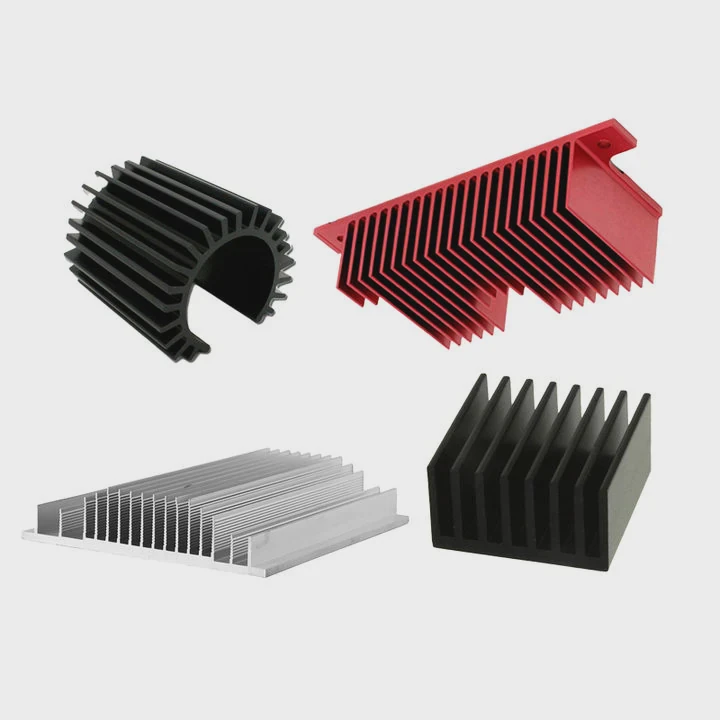
Domestic shipping and international shipping are very different. A carton moving inside one city may face limited handling. An export shipment may spend weeks at sea, pass through humid environments, and experience repeated loading operations.
Moisture and corrosion protection
Aluminum heat sinks normally resist corrosion well, but moisture can still damage surfaces during long transport. Copper heat sinks face even higher oxidation risk. This is why export packaging often includes moisture barriers.
Common moisture protection methods
- PE bags
- Vacuum sealing
- Desiccant packs
- Anti-rust paper
- Moisture indicator cards
These materials help reduce humidity exposure during ocean shipping.
Pallet and carton requirements
International logistics often involve forklift handling and pallet stacking. Weak cartons may collapse under weight. Good export cartons use stronger corrugated structures and reinforced edges.
Pallet stability is also important. Loose cartons can shift during container movement. Factories often use stretch film and packing straps to stabilize the load.
Export regulation considerations
Some countries require specific packaging rules. Wooden pallets may need fumigation certification under ISPM 15 rules. Shipping labels must match customs documents. Some customers also request barcode labels, handling marks, or orientation symbols.
Long transport time increases packaging risk
Sea freight may take several weeks. During this time, temperature and humidity can change many times. Containers can also experience vibration and stacking pressure. Packaging must survive the entire journey, not just the loading process.
| International Packaging Item | Purpose |
|---|---|
| Desiccant bag | Controls humidity |
| Vacuum bag | Reduces moisture exposure |
| Reinforced export carton | Handles stacking pressure |
| Stretch film | Stabilizes pallet |
| ISPM 15 wooden pallet | Meets export regulation |
| Shock label | Indicates impact during transport |
In international projects, packaging becomes part of risk management. A supplier may manufacture excellent heat sinks, but weak export packaging can still cause customer loss. That is why experienced suppliers treat packaging standards as part of the full thermal solution.
Can packaging affect delivery safety?
Many shipping problems happen because packaging design does not match the real transport environment. A strong product can still fail if the packaging allows movement or pressure concentration.
Yes, packaging directly affects delivery safety because it controls shock absorption, stacking resistance, moisture protection, vibration stability, and handling security throughout transportation and storage.
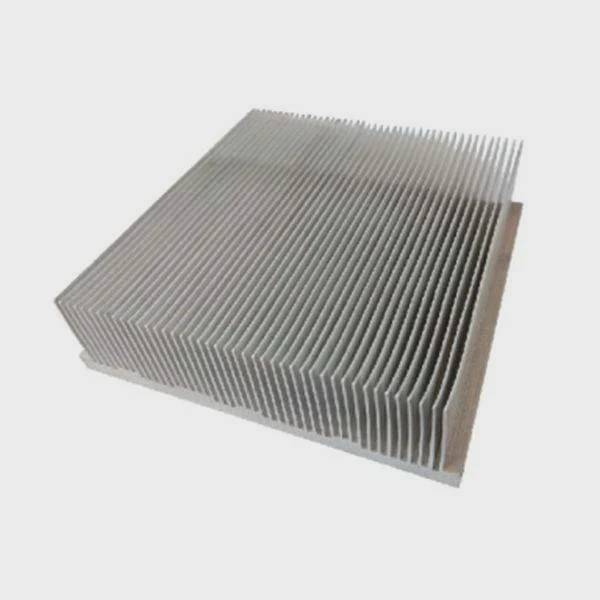
Delivery safety is not only about whether the carton arrives. It is about whether the heat sink inside still meets thermal and mechanical requirements after transport.
Shock and vibration risks
Transport vehicles constantly create vibration. Forklift movement, sudden braking, road impact, and container movement all transfer force into the package.
If the product moves freely inside the carton, repeated vibration causes wear and deformation. Even small movement over long transport time can scratch surfaces or weaken assembly structures.
Stacking pressure problems
Heavy heat sinks are often stacked during storage and transport. Poor packaging design may transfer pressure directly onto fin areas or machined surfaces.
This issue becomes more serious in sea containers where cargo is tightly loaded. Cartons at the bottom may carry large weight for long periods.
Packaging failure can create hidden thermal risk
Some transport damage is visible immediately. Bent fins and broken corners are easy to see. Other damage is hidden.
For example:
- Surface flatness may change after impact
- Brazed joints may weaken
- Thread holes may deform
- Internal coolant channels may crack
- Thermal interface areas may scratch
These problems may not appear during unpacking, but they can affect long-term thermal reliability later.
Safe packaging lowers total project cost
Some buyers only compare packaging cost per carton. That approach misses the bigger picture. One damaged shipment may create:
- Project delay
- Production stoppage
- Replacement freight cost
- Customer complaint
- Additional inspection work
A slightly stronger packaging solution often saves much more money later.
Packaging should match transport method
Air freight, truck transport, rail shipping, and sea freight create different risks. Packaging should match the shipping route.
Air freight
Weight matters more. Packaging should remain protective but lightweight.
Sea freight
Moisture resistance and stacking strength become critical.
Express shipment
Shock resistance matters because handling frequency is high.
Long-term storage
Dust protection and corrosion prevention become more important.
Good delivery safety comes from system thinking. The heat sink, package, pallet, and shipping route must work together. Strong packaging is not overprotection. It is part of reliable supply chain control.
Which materials reduce shipping damage?
Packaging materials directly affect shipping protection. Weak material selection often leads to deformation, moisture exposure, or unstable stacking.
Materials that reduce heat sink shipping damage include EPE foam, EVA foam, corrugated cartons, plastic trays, honeycomb board, bubble wrap, stretch film, desiccants, and reinforced pallets designed for shock and moisture protection.
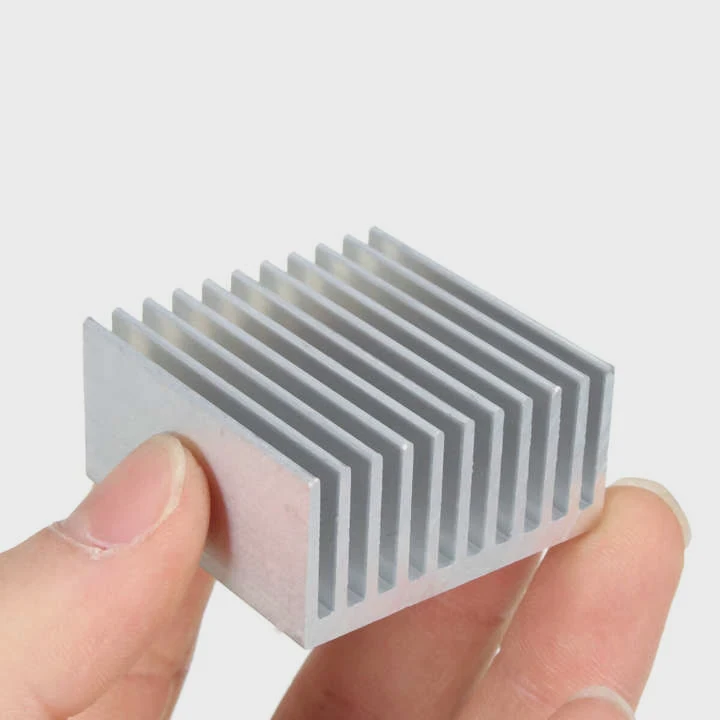
Different packaging materials solve different risks. No single material works for every heat sink project. The right solution depends on product weight, fin structure, shipping distance, and transport method.
Foam materials
Foam is widely used because it absorbs shock and limits product movement.
EPE foam
Expanded polyethylene foam is soft, lightweight, and cost-effective. It works well for aluminum heat sinks and medium-weight parts.
EVA foam
EVA foam is denser and stronger. It gives better support for precision parts and heavy assemblies.
Corrugated carton structures
Export cartons are usually multi-layer corrugated designs. Strong cartons reduce crushing during stacking.
Double-wall and triple-wall cartons are common for large thermal modules.
Plastic trays
Plastic trays improve consistency in mass production shipments. Each heat sink fits into a fixed position. This reduces movement during vibration.
Trays also improve unpacking speed for factory assembly lines.
Honeycomb board
Honeycomb board has high compression strength while remaining lightweight. It is useful for large liquid cooling modules and export packaging.
Stretch film and strapping
Pallet movement is another common damage source. Stretch film holds cartons together and reduces shifting. Packing straps improve load stability during forklift movement.
Moisture control materials
Long transport routes create humidity risk. Moisture control materials help prevent oxidation and surface staining.
Desiccants
Desiccants absorb moisture inside sealed packaging.
VCI anti-rust materials
VCI paper and bags release corrosion protection agents around metal surfaces.
| Packaging Material | Main Advantage | Common Use |
|---|---|---|
| EPE foam | Lightweight shock absorption | Aluminum heat sinks |
| EVA foam | High-density support | Precision modules |
| Bubble wrap | Surface scratch reduction | Small parts |
| Plastic tray | Product separation | Repeat batch shipment |
| Honeycomb board | High compression strength | Heavy assemblies |
| Stretch film | Pallet stability | Export shipment |
| Desiccant | Moisture control | Sea freight |
Material selection should balance protection and cost
Overpackaging increases freight cost and waste. Underpackaging increases damage risk. Good packaging finds the balance between safety, efficiency, and shipping cost.
Some buyers now also request recyclable packaging materials. This trend is becoming more common in Europe and North America. Reusable trays, recyclable cartons, and reduced plastic use are growing in importance.
In many long-term projects, packaging improves step by step after real shipping feedback. The first shipment may reveal vibration issues or stacking problems. The supplier then adjusts foam density, tray shape, or pallet structure.
Packaging materials are not only protective tools. They are part of the delivery system. The right material choice keeps the heat sink stable from factory floor to final installation site.
Conclusion
Heat sink packaging standards protect fins, surfaces, structure, and thermal reliability during shipping. Strong packaging design, proper materials, and export protection methods reduce transport damage and improve delivery safety for both domestic and international shipments.