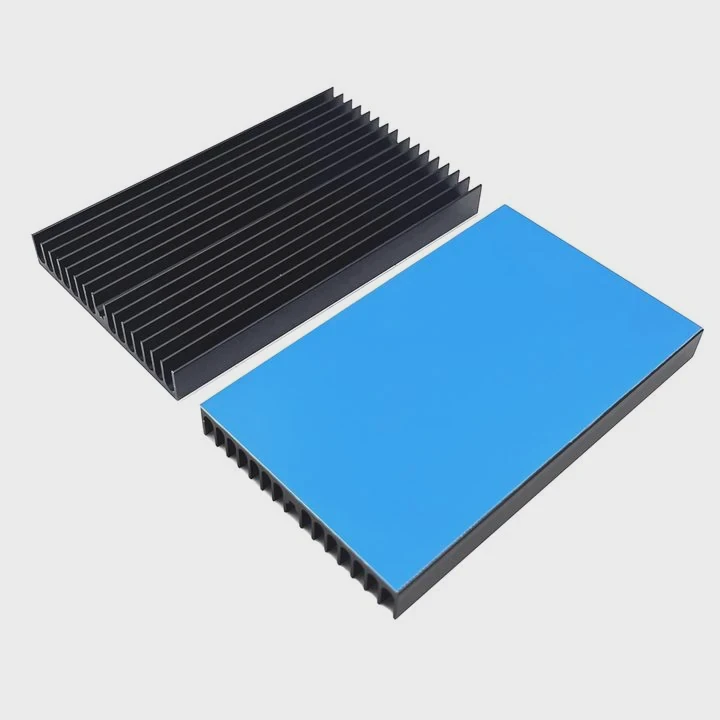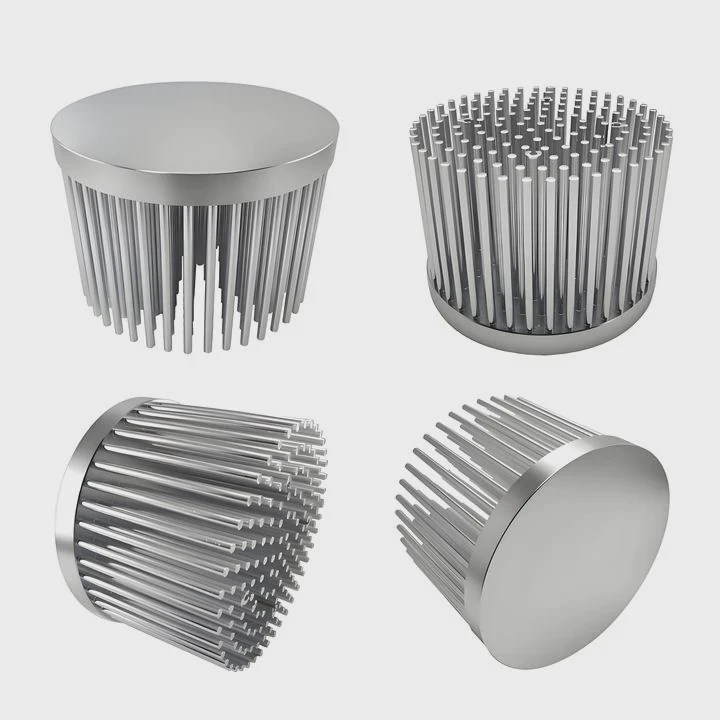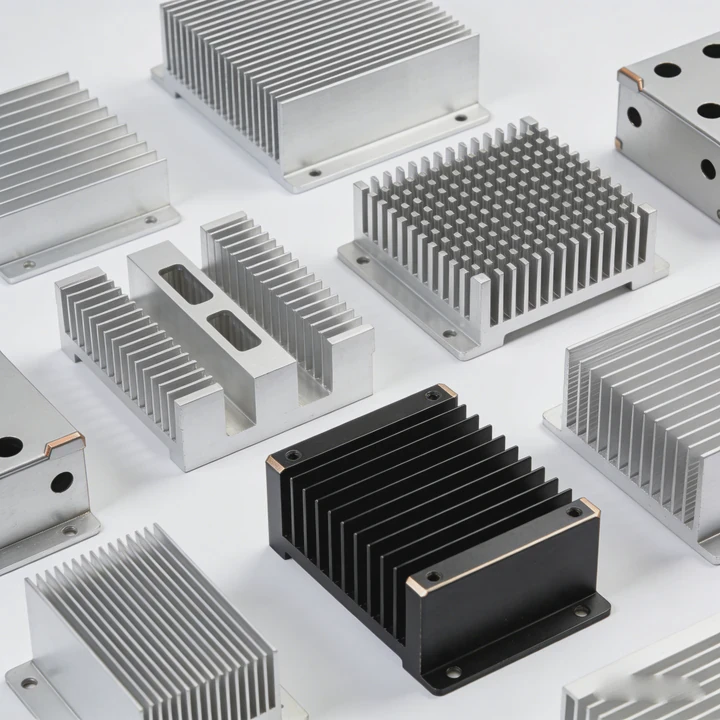
What Are Heat Sinks Made Of?
- Yongxing
- 11 Apr ,2026
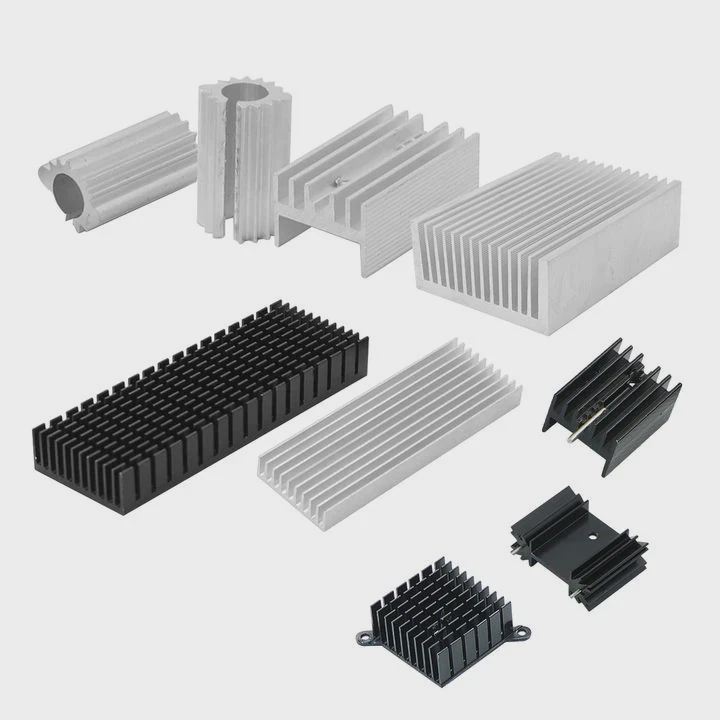
Overheating damages devices fast. Many systems fail because heat is not managed well. This problem keeps growing as power density rises.
Heat sinks are usually made of metals like aluminum and copper because they conduct heat well, spread it fast, and keep devices safe under high loads.
Heat sinks may look simple, but material choice shapes performance, cost, and reliability. Understanding this helps engineers and buyers make better decisions.
How Do Materials Affect Heat Sink Performance?
Heat builds up quickly in modern electronics. If the material cannot move heat fast enough, performance drops and failure risk increases.
Material affects heat sink performance through thermal conductivity, weight, corrosion resistance, and manufacturability. These factors control how fast heat moves and how stable the system stays.
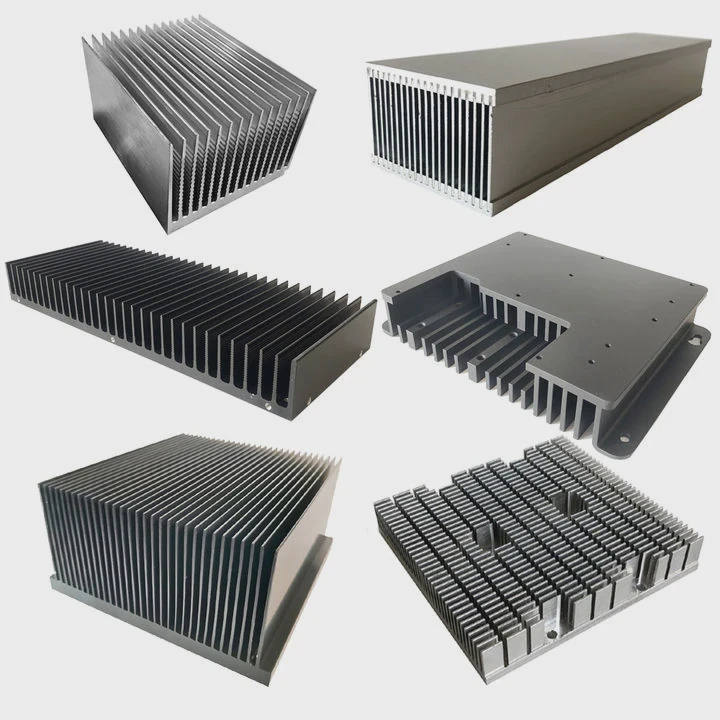
Material selection is not only about heat transfer. It also connects to system design, cost limits, and long-term reliability. A poor material choice can lead to overheating even if the design looks correct.
Key Properties That Matter
When choosing a heat sink material, several physical properties must be reviewed:
| Property | Why It Matters | Example Impact |
|---|---|---|
| Thermal Conductivity | Controls heat transfer speed | Higher values mean faster cooling |
| Density | Affects weight | Lighter materials reduce system load |
| Corrosion Resistance | Impacts durability | Poor resistance leads to failure |
| Cost | Controls project budget | Copper is better but more expensive |
Thermal Conductivity Is Critical
Thermal conductivity is the most important factor. It shows how fast heat moves through a material.
- Copper: ~400 W/m·K
- Aluminum: ~200 W/m·K
Copper moves heat almost twice as fast as aluminum. But it is heavier and costs more.
Balance Between Performance and Design
In real projects, no one chooses material based only on one property.
- High-performance systems prefer copper or hybrid designs
- Lightweight systems choose aluminum
- Harsh environments need corrosion-resistant materials
Manufacturing Also Matters
Some materials are easier to shape and process.
- Aluminum supports extrusion, which lowers cost
- Copper is harder to machine and join
- Advanced materials may require special processes like vacuum brazing
Real Engineering Trade-Off
In one project for a power module, switching from pure aluminum to a copper base + aluminum fins reduced thermal resistance by over 20%. But cost increased by 35%.
So, the decision is always a trade-off.
Why Are Metals Preferred for Heat Sinks?
Many materials exist, but metals dominate heat sink design. Plastics and ceramics cannot compete in most high-power cases.
Metals are preferred because they offer high thermal conductivity, structural strength, and good manufacturability at a reasonable cost.
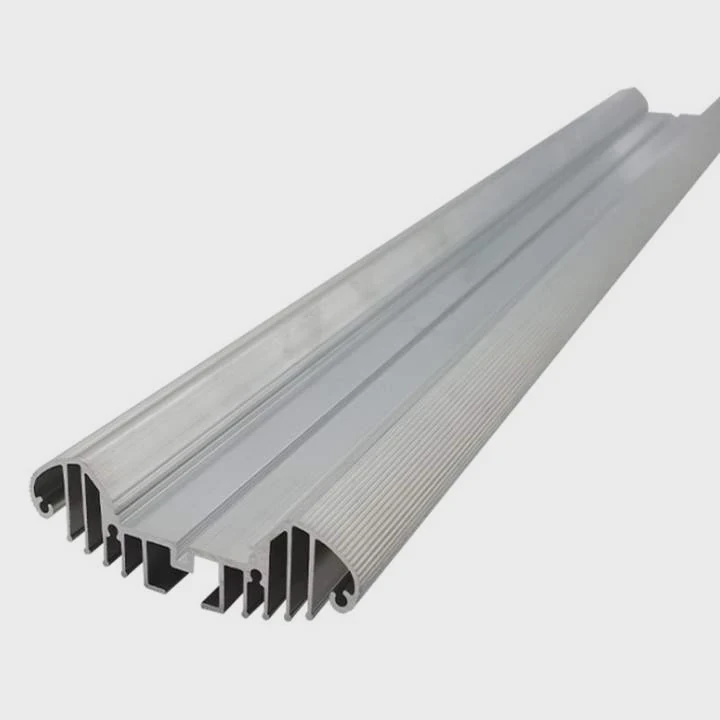
Metals provide a balance that other materials cannot easily match. They are strong, reliable, and efficient in moving heat away from critical components.
Why Not Use Plastics?
Plastics are cheap and lightweight, but they have very low thermal conductivity.
- Typical plastics: 0.2–0.5 W/m·K
- Metals: 200–400 W/m·K
This difference is huge. Plastics trap heat instead of spreading it.
Strength and Reliability
Metals also provide mechanical strength. Heat sinks must:
- Hold their shape under thermal stress
- Support mounting pressure
- Survive vibration and shock
Aluminum and copper perform well in all these areas.
Ease of Manufacturing
Metals support many manufacturing methods:
- Extrusion (for aluminum heat sinks)
- CNC machining
- Skiving
- Die casting
- Forging
This flexibility reduces cost and supports custom designs.
Surface Treatment Options
Metals can be treated to improve performance:
- Anodizing (improves corrosion resistance)
- Nickel plating (for copper protection)
- Coatings for electrical insulation
Hybrid Metal Designs
Many advanced heat sinks use mixed materials:
| Design Type | Benefit |
|---|---|
| Copper base + aluminum fins | High performance + lower weight |
| Vapor chamber + fins | Ultra-fast heat spreading |
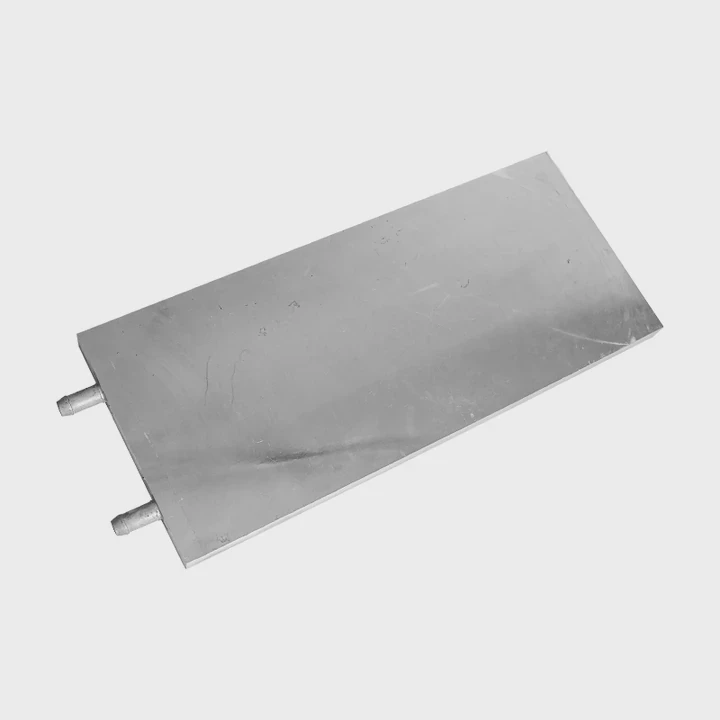
| Liquid cooling plates | Handles extreme heat loads |
These designs combine strengths of different materials.
Where Are Different Materials Used?
Not all heat sinks use the same material. The application defines the choice.
Different materials are used based on power level, environment, weight limits, and cost targets across industries like electronics, automotive, and energy systems.
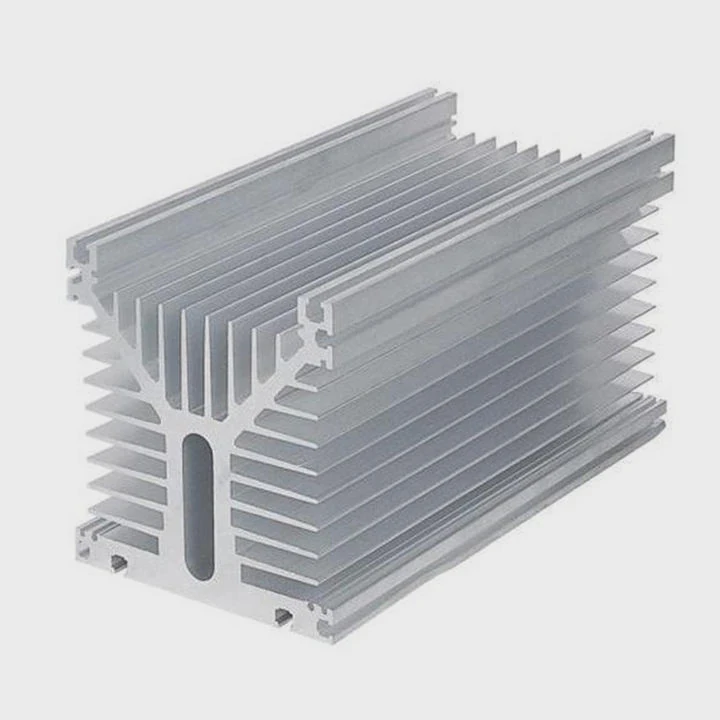
Each industry has unique needs. Material selection must match real operating conditions.
Consumer Electronics
Devices like laptops and LED lights use aluminum heat sinks.
- Lightweight
- Low cost
- Easy to mass produce
Industrial Equipment
Industrial systems often use stronger and more stable materials.
- Aluminum for general cooling
- Copper for high-power modules
- Coated metals for harsh environments
New Energy Systems
Energy storage and EV systems generate large amounts of heat.
- Liquid cooling plates (usually aluminum)
- Friction stir welded structures
- Integrated cooling modules
Aerospace and Rail
These sectors demand reliability and certification.
- High-performance aluminum alloys
- Copper inserts for critical areas
- Strict testing standards
Semiconductor and High-End Systems
These systems need extreme precision.
- Vapor chambers
- Phase change materials
- Copper-based structures
Application vs Material Table
| Application | Typical Material | Reason |
|---|---|---|
| LED lighting | Aluminum | Cost-effective |
| Power electronics | Copper + aluminum | High performance |
| EV battery | Liquid cooling aluminum | Efficient cooling |
| 5G equipment | Aluminum + vapor chamber | Thermal density control |
Environmental Conditions Matter
Material must also match the environment:
Humid environments need corrosion resistance
Outdoor systems need coatings
High vibration systems need structural strength
Which Materials Are Most Common?
There are many materials, but only a few dominate the market.
The most common heat sink materials are aluminum, copper, and hybrid combinations, with aluminum being the most widely used due to cost and weight advantages.
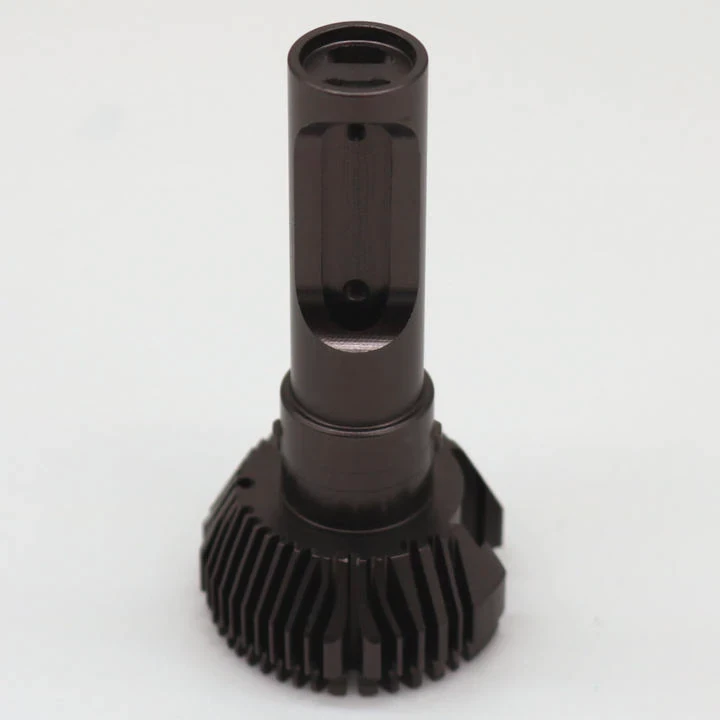
Each material has a clear role in thermal design.
Aluminum – The Most Widely Used
Aluminum is the standard choice in most applications.
Advantages:
- Good thermal conductivity
- Lightweight
- Low cost
- Easy to manufacture
Limitations:
- Lower performance than copper
Copper – High Performance Option
Copper is used when performance matters most.
Advantages:
- Very high thermal conductivity
- Excellent heat spreading
Limitations:
- Heavy
- Expensive
- Harder to process
Advanced Materials
Some advanced materials are used in special cases:
- Graphite (very high in-plane conductivity)
- Vapor chambers
- Phase change materials
These are used in high-end or space-limited designs.
Material Comparison Table
| Material | Thermal Conductivity | Weight | Cost | Typical Use |
|---|---|---|---|---|
| Aluminum | Medium (~200) | Light | Low | General use |
| Copper | High (~400) | Heavy | High | High power |
| Graphite | Very high (directional) | Very light | High | Specialized |
| Vapor chamber | Extremely high | Medium | High | Advanced cooling |
Hybrid Solutions Are Growing
Modern systems often use combined materials:
- Aluminum structure for weight
- Copper core for heat spreading
- Advanced bonding technologies
This approach balances cost and performance.
Conclusion
Heat sink materials define cooling performance, cost, and reliability. Aluminum and copper dominate due to their balance of conductivity and manufacturability, while hybrid and advanced materials continue to improve thermal solutions in demanding applications.