What Makes a Good Heat Sink?
- Yongxing
- 11 Apr ,2026
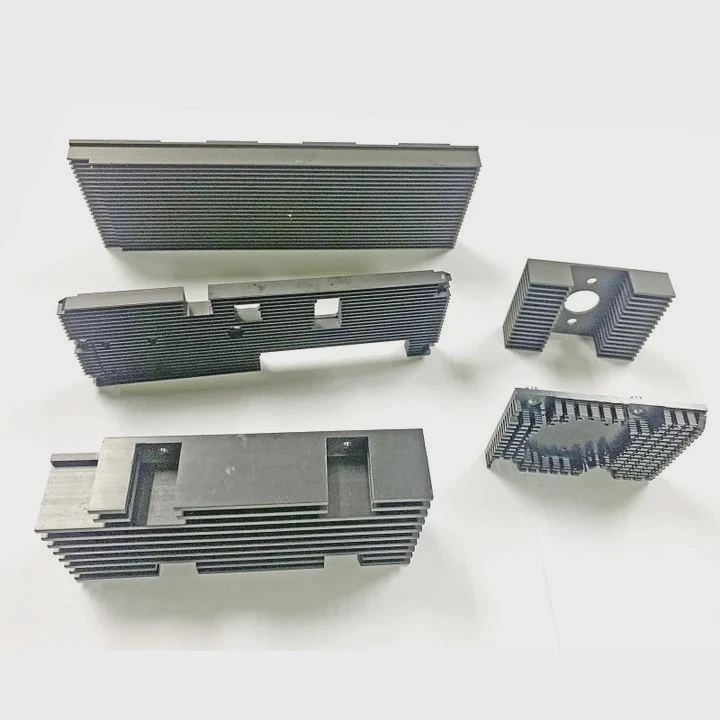
Heat builds up fast in high-power devices. Many systems fail early because cooling is not enough. This creates risk, cost, and downtime.
A good heat sink removes heat quickly, spreads it evenly, and keeps temperatures stable. It depends on material, design, airflow, and manufacturing quality working together.
Many engineers focus only on size or cost. That is not enough. Real performance comes from balance. The following sections break down what truly matters.
How is heat sink performance evaluated?
Heat issues often appear late in testing. This causes delays and redesign. Many teams lack clear evaluation methods at the start.
Heat sink performance is evaluated by thermal resistance, heat dissipation capacity, temperature rise, and airflow efficiency under real working conditions.
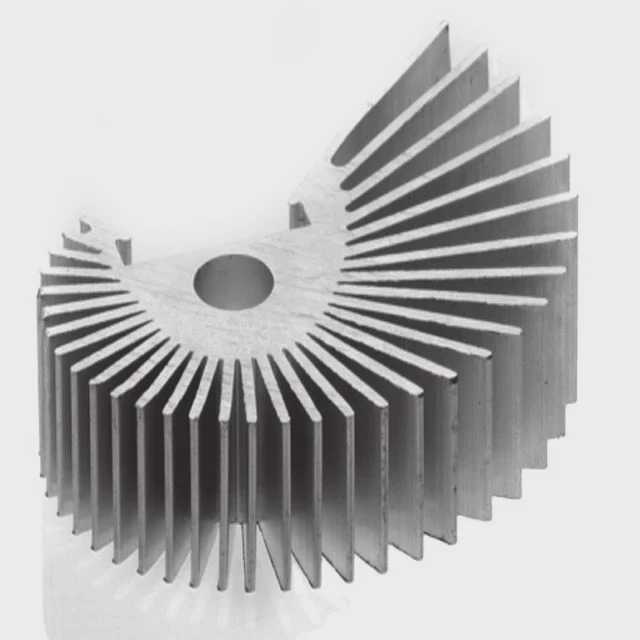
When evaluating a heat sink, several key metrics are used. These metrics help engineers understand how well the heat sink removes heat from a device.
Key Performance Metrics
| Metric | Description | Why It Matters |
|---|---|---|
| Thermal Resistance (°C/W) | Resistance to heat flow | Lower is better |
| Temperature Rise (ΔT) | Increase above ambient | Shows real impact |
| Heat Dissipation (W) | Power handled | Defines capacity |
| Airflow Efficiency | Interaction with airflow | Affects cooling speed |
Understanding Thermal Resistance
Thermal resistance is the most important parameter. It shows how difficult it is for heat to move from the source to the air. A lower value means better performance.
There are usually three parts:
- Junction to case
- Case to heat sink
- Heat sink to air
The last part is where heat sink design matters most.
Real Testing vs Simulation
Simulation tools are useful. They save time in early design. But real testing is still needed.
Engineers often use:
- Wind tunnel testing
- Thermal imaging
- Embedded temperature sensors
These methods show how the heat sink performs under actual conditions.
Why Evaluation Must Be System-Based
A heat sink does not work alone. It is part of a full system.
Factors include:
- Fan speed
- Air direction
- Ambient temperature
- Mounting pressure
A good evaluation always considers these together.
Why does surface area matter?
Many heat sinks look large but still fail. This often happens because the effective surface area is not optimized.
Surface area matters because it increases the contact between the heat sink and air, allowing more heat to transfer away faster.
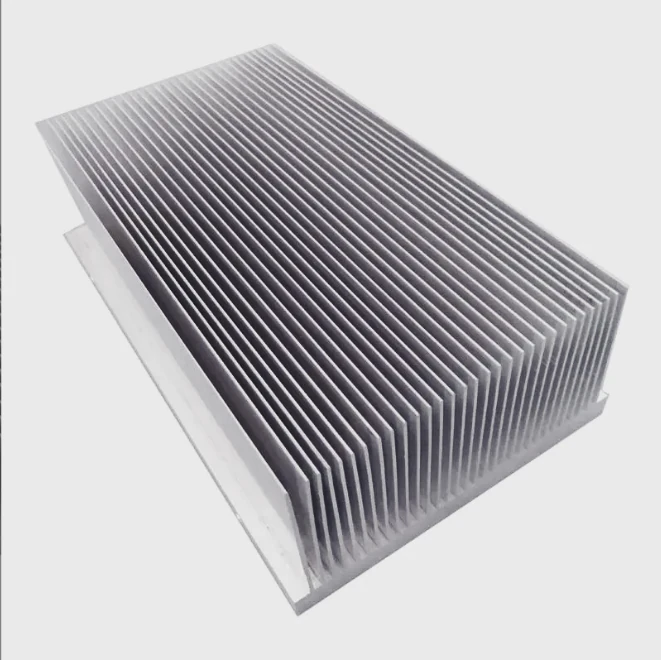
Surface area directly affects how much heat can be released into the air. The larger the area, the more space heat has to escape.
How Surface Area Works
Heat transfer depends on contact. More surface means more contact with air.
This is why fins are used.
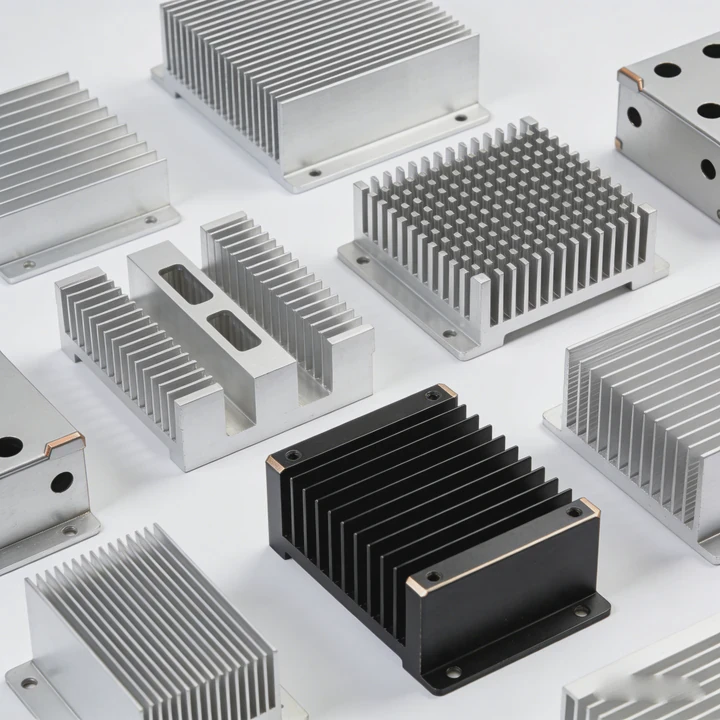
Common fin types:
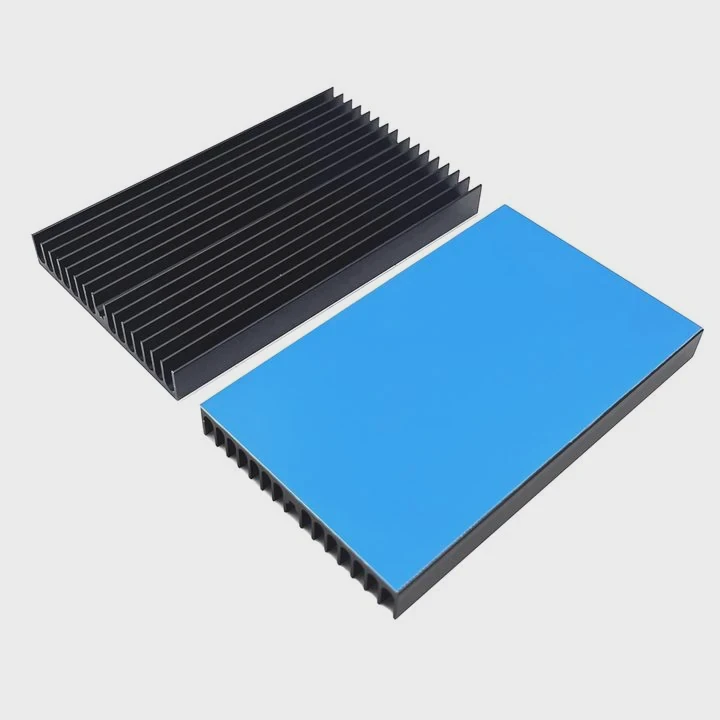
- Straight fins
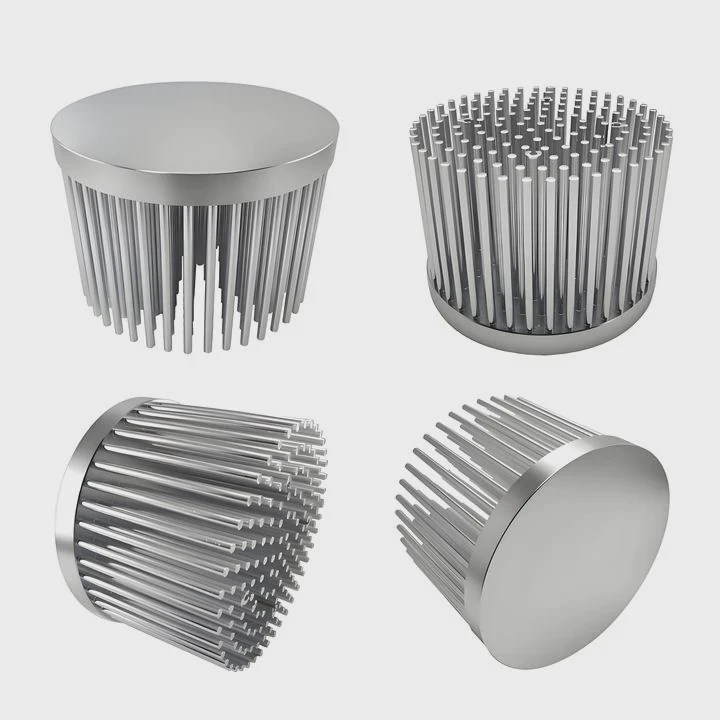
- Pin fins
- Skived fins
- Folded fins
Each type increases surface area in a different way.
Comparing Fin Structures
| Fin Type | Surface Area | Airflow Resistance | Use Case |
|---|---|---|---|
| Straight Fin | Medium | Low | General cooling |
| Pin Fin | High | Medium | Multi-direction airflow |
| Skived Fin | Very High | Medium | High-performance systems |
| Folded Fin | High | High | Compact designs |
The Trade-Off Problem
More surface area is not always better.
If fins are too dense:
- Air cannot flow well
- Heat gets trapped
- Performance drops
This is a common mistake.
Balance Between Area and Airflow
A good design balances:
- Fin spacing
- Fin height
- Air velocity
For example, in forced air systems, tighter fins can work. But in natural cooling, wider spacing is better.
Material and Surface Finish
Surface area also depends on texture.
Rough surfaces increase turbulence. This improves heat transfer slightly.
Coatings can also help:
Anodizing improves corrosion resistance
Black coatings improve radiation heat transfer
Where do design improvements help most?
Many designs fail not because of material, but because of poor structure. Small changes can bring big gains.
Design improvements help most in airflow optimization, heat spreading, interface contact, and fin structure efficiency.
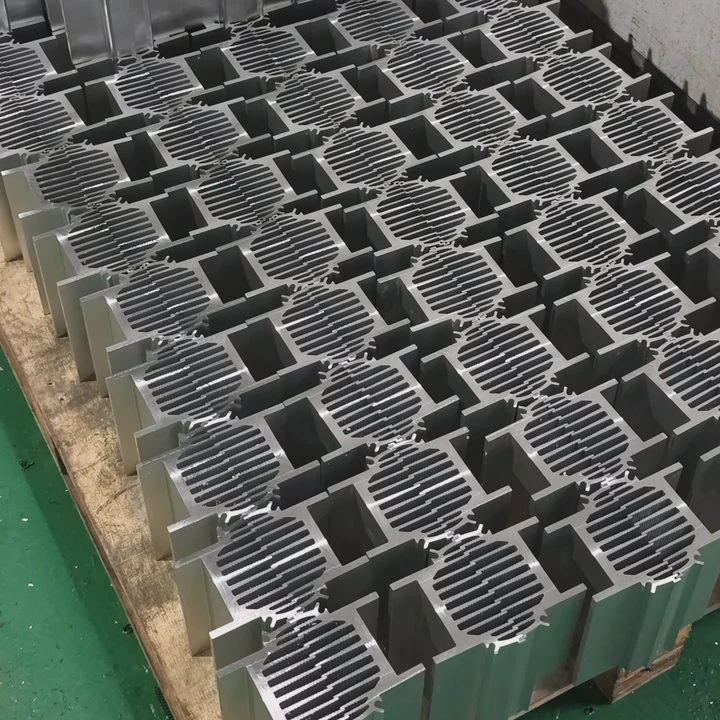
Design is where performance is truly decided. Even with the same material, different designs can show large performance gaps.
Heat Spreading at the Base
The base of the heat sink spreads heat before it reaches the fins.
Key improvements include:
- Thicker base plates
- Vapor chambers
- Heat pipes
These help distribute heat evenly.
Without good spreading, some fins do not work effectively.
Airflow Path Optimization
Air must move smoothly through the heat sink.
Design issues often include:
- Dead zones
- Recirculation
- Blocked channels
Improving airflow path can increase performance without increasing size.
Contact Interface Optimization
The interface between the heat source and heat sink is critical.
Factors include:
- Flatness
- Pressure
- Thermal interface materials (TIM)
Even a small gap can increase thermal resistance.
Fin Geometry Improvements
Fin design affects both heat transfer and airflow.
Important factors:
- Fin thickness
- Fin spacing
- Alignment with airflow
Optimized geometry ensures maximum efficiency.
Manufacturing Process Impact
Design must match manufacturing capability.
Processes like:
- Skiving
- Extrusion
- Vacuum brazing
- Friction stir welding
Each has limits and advantages.
Good design considers:
Cost
Consistency
Scalability
Which features define a quality heat sink?
Many products look similar but perform very differently. Quality is not just about appearance.
A quality heat sink is defined by high thermal conductivity, optimized structure, reliable manufacturing, and consistent performance over time.
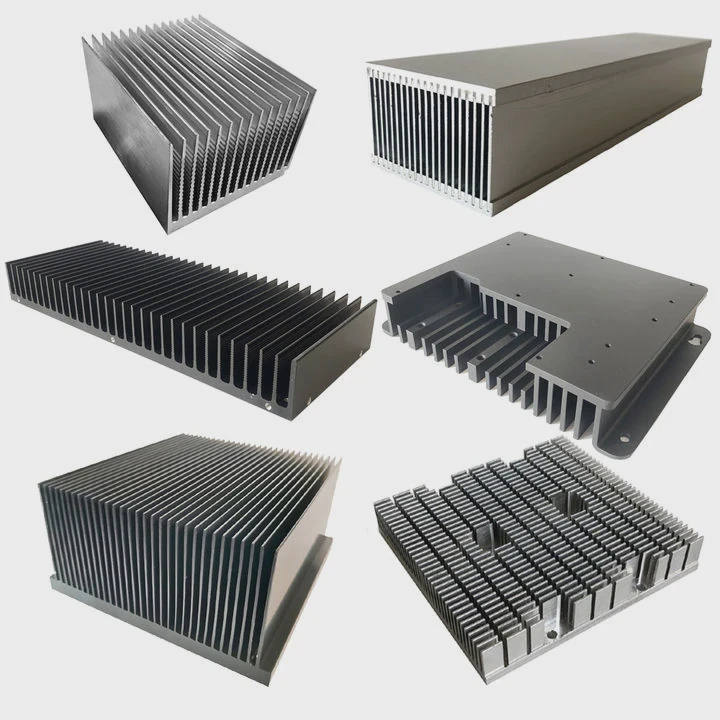
A high-quality heat sink combines material, design, and process.
Material Selection
Material affects heat transfer speed.
Common materials:
- Aluminum (light, cost-effective)
- Copper (high conductivity)
Copper performs better but is heavier and more expensive.
Many designs combine both.
Structural Integrity
A good heat sink must be strong and stable.
Important aspects:
- No deformation under heat
- Strong joints
- Reliable assembly
Poor structure leads to performance drop over time.
Manufacturing Consistency
Consistency is often overlooked.
High-quality production ensures:
- Same performance across batches
- Tight tolerances
- Reliable bonding
This is critical for large-scale projects.
Advanced Features
Modern heat sinks include advanced elements:
- Vapor chambers
- Heat pipes
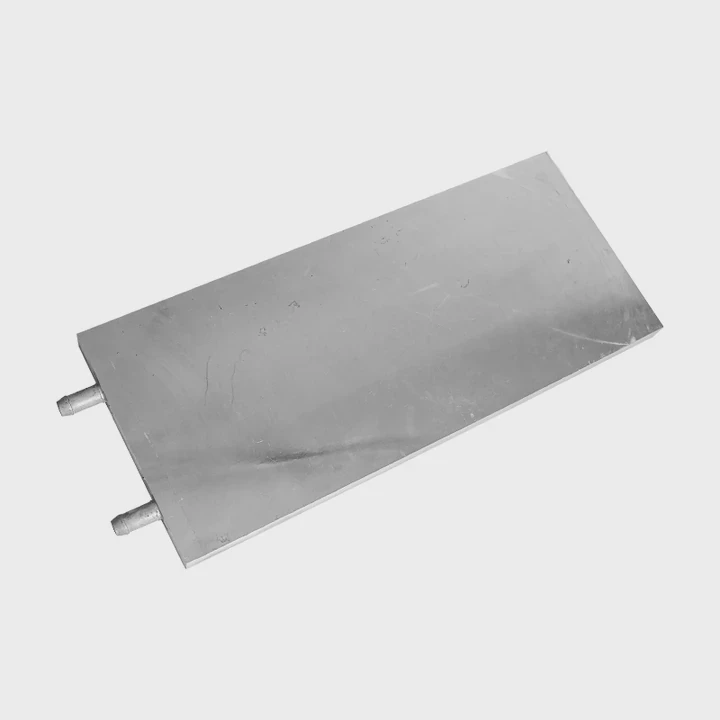
- Liquid cooling channels
- Integrated modules
These improve performance in high-power systems.
Long-Term Reliability
A good heat sink must last.
Key factors:
- Corrosion resistance
- Thermal cycling stability
- Mechanical durability
Testing standards often include:
High temperature cycles
Vibration tests
Humidity exposure
Conclusion
A good heat sink is not defined by one factor. It is the result of balanced design, proper material, and reliable manufacturing working together to deliver stable and efficient thermal performance.