Why Are Heat Sinks Made of Aluminum?
- Yongxing
- 11 Apr ,2026
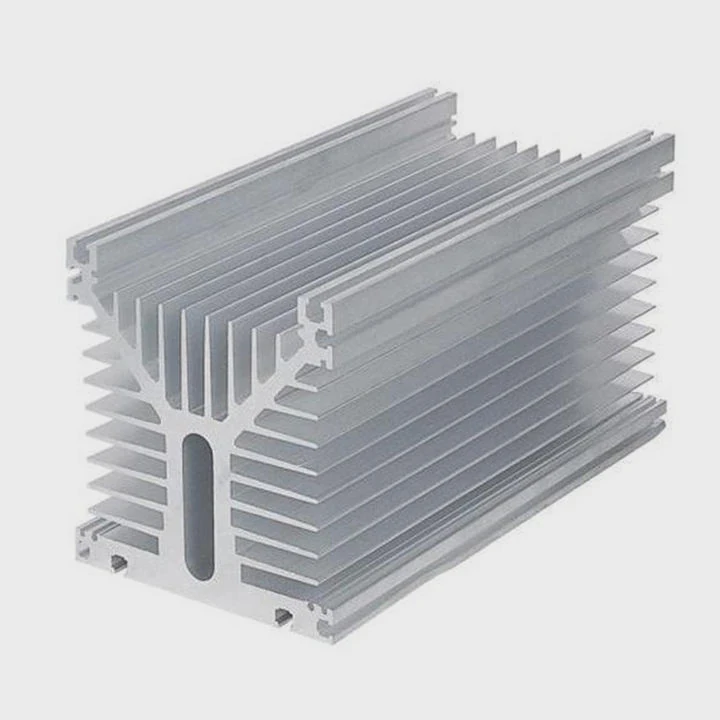
Heat builds up fast in modern devices. Many systems fail early because cooling is not efficient enough.
Aluminum is widely used for heat sinks because it offers good thermal conductivity, low weight, strong corrosion resistance, and cost efficiency for mass production.
This choice is not random. Aluminum creates a balance between performance and practicality, which makes it ideal for many industries and applications.
How Does Aluminum Improve Heat Transfer?
Heat concentration can damage components quickly. If heat cannot spread fast, hotspots form and reduce system life.
Aluminum improves heat transfer by offering moderate thermal conductivity and excellent heat spreading when combined with optimized fin designs.
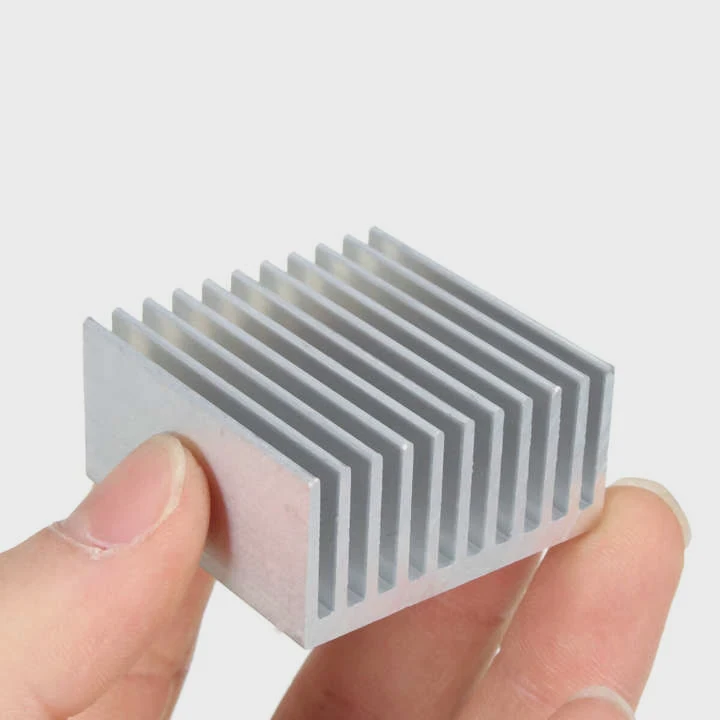
Aluminum may not be the best conductor compared to copper, but it performs well when used correctly in thermal design.
Understanding Thermal Conductivity
Aluminum has a thermal conductivity of about 200 W/m·K. This value is lower than copper but still high enough for most applications.
Heat transfer depends on more than just material. It also depends on:
- Surface area
- Airflow
- Contact quality
Heat Spreading Efficiency
Aluminum spreads heat evenly across the heat sink body. This reduces hotspots and keeps temperature stable.
Role of Fin Design
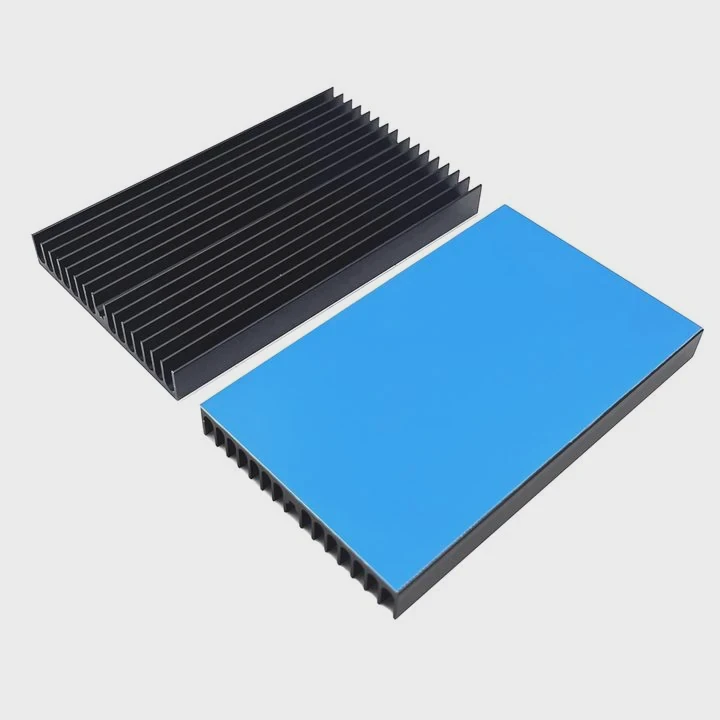
The performance of aluminum heat sinks depends heavily on fin structure.
Common Fin Designs
| Fin Type | Advantage |
|---|---|
| Straight fins | Easy airflow |
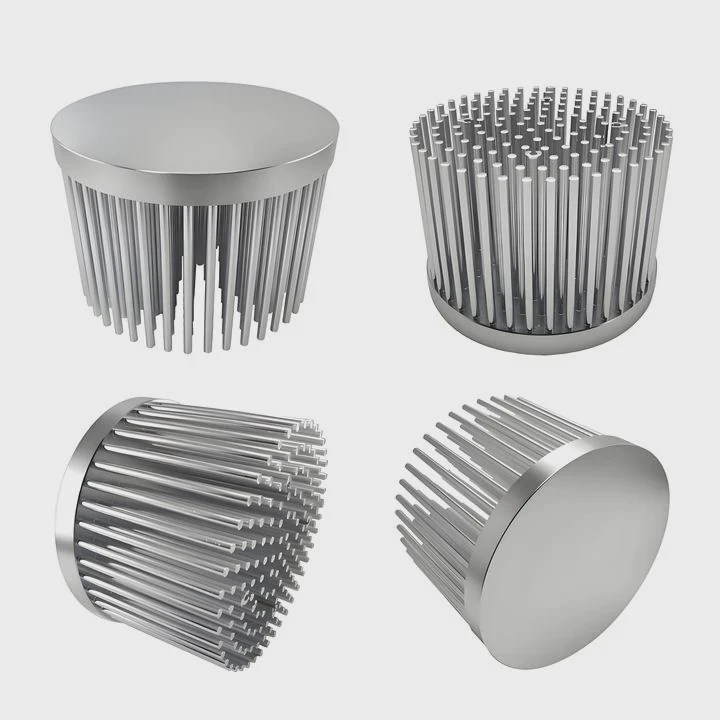
| Pin fins | Better multidirectional cooling |
| Skived fins | Higher surface area |
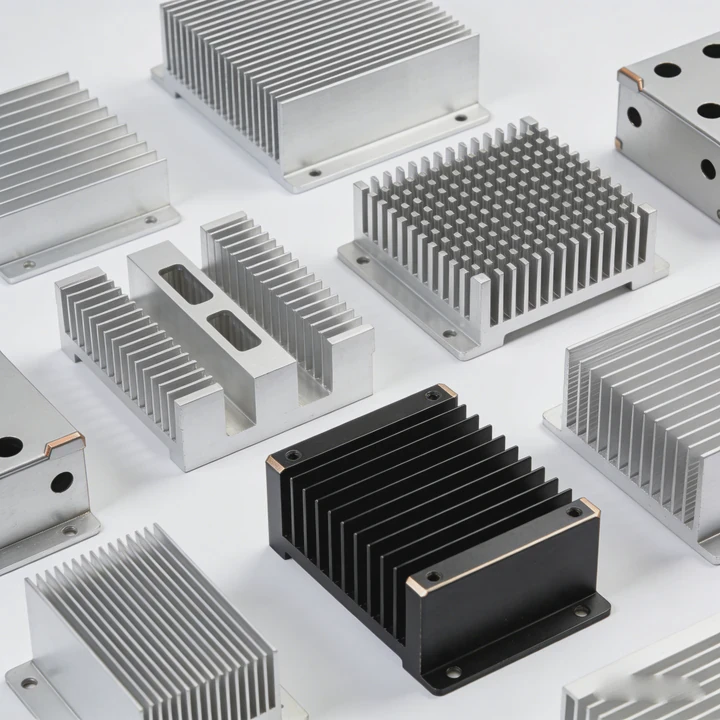
Aluminum supports all these designs through extrusion and machining.
Surface Area vs Material
A well-designed aluminum heat sink can outperform a poorly designed copper one.
- Larger surface area increases heat dissipation
- Thin fins improve airflow interaction
- Optimized spacing improves convection
Real Application Insight
In one LED project, switching to a larger aluminum heat sink reduced temperature by 15%, even without changing material. Design mattered more than conductivity.
Balance of Performance
Aluminum works best in:
Medium to high power systems
Air-cooled environments
Applications needing lightweight structures
Why Is Aluminum Cost-Effective?
Many projects fail due to high cost, not poor performance. Material choice directly affects total system cost.
Aluminum is cost-effective because it is abundant, easy to process, and supports scalable manufacturing methods like extrusion and die casting.
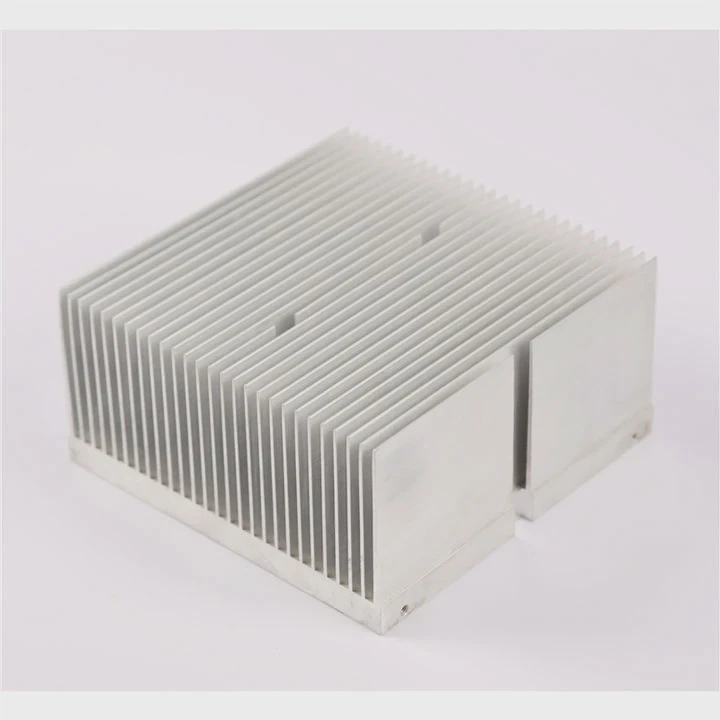
Cost is not only about raw material price. It includes processing, machining, and production speed.
Raw Material Advantage
Aluminum is widely available worldwide. This keeps its price stable and lower than copper.
- Aluminum price is usually 2–3 times lower than copper
- Supply chain is more stable
Manufacturing Efficiency
Aluminum is easy to shape. This reduces production time and cost.
Common Manufacturing Methods
| Method | Benefit |
|---|---|
| Extrusion | Low cost for high volume |
| Die casting | Complex shapes |
| CNC machining | High precision |
| Skiving | Dense fin structures |
Extrusion is especially important. It allows continuous production of heat sink profiles at low cost.
Reduced Machining Cost
Aluminum is softer than copper. This makes it easier to cut and machine.
- Less tool wear
- Faster production speed
- Lower energy consumption
Lightweight Saves Cost
Aluminum is much lighter than copper.
- Lower shipping cost
- Easier installation
- Reduced structural requirements
Scalability
Aluminum supports mass production very well.
In large projects, this creates major savings:
- Faster lead times
- Consistent quality
- Lower unit cost
Real Business Impact
In one industrial project, switching from copper to aluminum reduced total cost by 40% while maintaining acceptable thermal performance.
Where Is Aluminum Preferred Over Copper?
Not every system needs maximum performance. Many applications need balance instead.
Aluminum is preferred over copper in applications where weight, cost, and manufacturability are more important than maximum thermal conductivity.
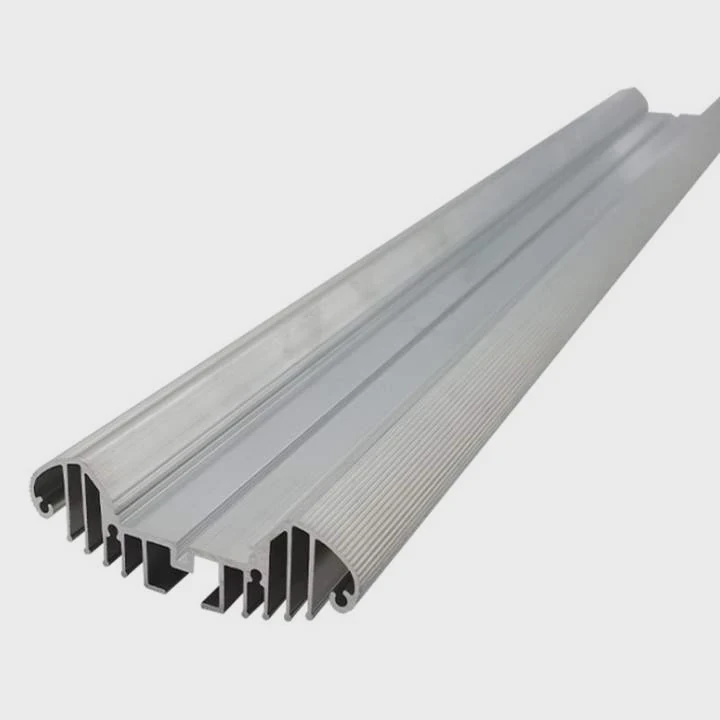
Choosing aluminum over copper is often a strategic decision, not a compromise.
Consumer Electronics
Aluminum dominates in devices like:
- LED lighting
- Power supplies
- Computers
These products require:
- Low cost
- Lightweight design
- High production volume
Automotive and New Energy
Aluminum is widely used in:
- EV battery cooling
- Power converters
- Charging systems
Reasons include:
- Weight reduction improves efficiency
- Good corrosion resistance
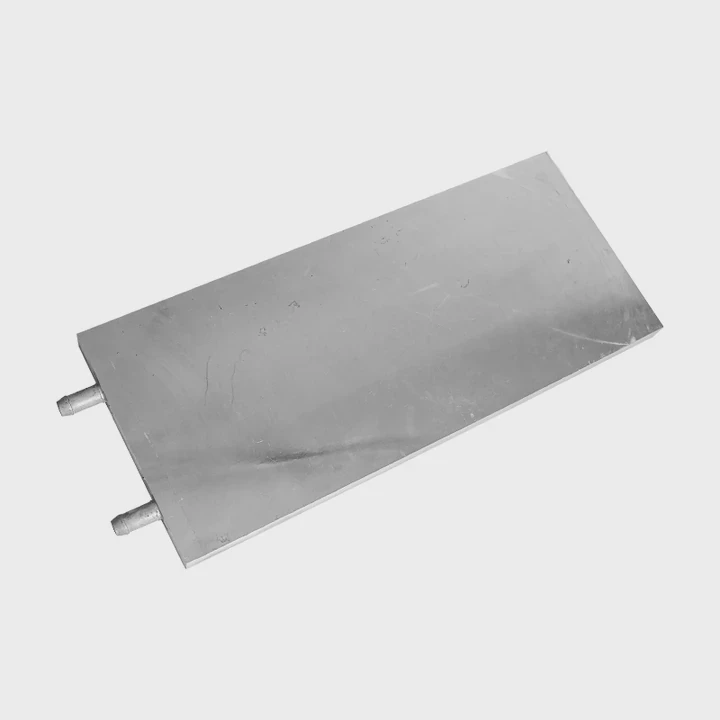
- Suitable for liquid cooling plates
5G and Telecom Equipment
These systems require stable cooling and outdoor durability.
Aluminum works well because:
- It resists corrosion
- It supports large structures
- It balances performance and cost
Industrial Equipment
Factories and control systems often choose aluminum.
- Easy replacement
- Lower maintenance cost
- Reliable long-term performance
Comparison Table
| Scenario | Aluminum | Copper |
|---|---|---|
| Weight-sensitive systems | ✅ | ❌ |
| Cost-sensitive projects | ✅ | ❌ |
| Extreme heat loads | ⚠️ | ✅ |
| Mass production | ✅ | ⚠️ |
When Copper Is Still Better
Copper is still preferred when:
- Heat flux is extremely high
- Space is very limited
- Maximum performance is required
Hybrid Solutions
Many systems combine both:
- Aluminum fins + copper base
- Vapor chamber + aluminum structure
This gives the best of both worlds.
Which Properties Make Aluminum Suitable?
Choosing aluminum is not only about cost. Its physical and chemical properties make it ideal for heat sinks.
Aluminum is suitable because of its thermal conductivity, low density, corrosion resistance, and excellent manufacturability.
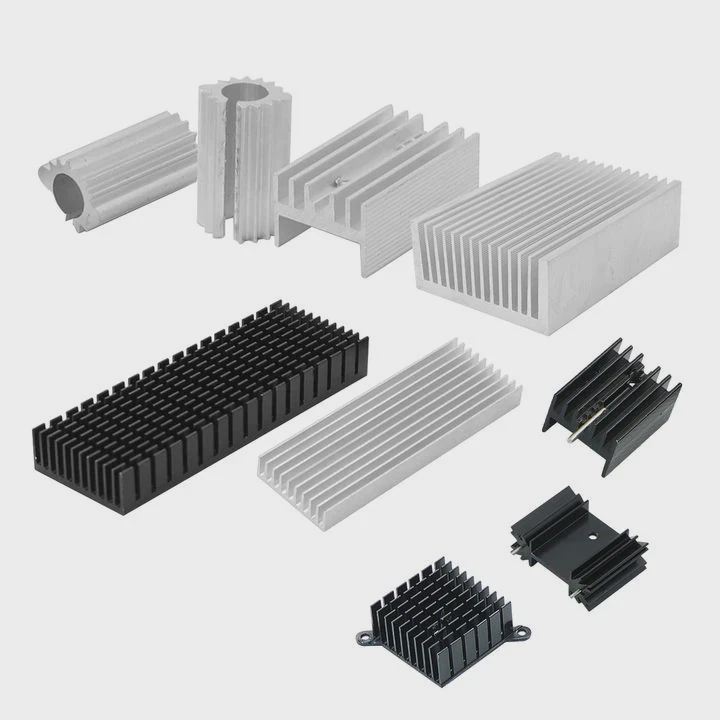
Each property contributes to real-world performance.
Key Physical Properties
| Property | Value | Benefit |
|---|---|---|
| Thermal conductivity | ~200 W/m·K | Good heat transfer |
| Density | ~2.7 g/cm³ | Lightweight |
| Corrosion resistance | High | Long lifespan |
| Machinability | Excellent | Easy production |
Lightweight Advantage
Weight is critical in many systems.
- Easier handling
- Lower transport cost
- Better for mobile and aerospace systems
Corrosion Resistance
Aluminum forms a natural oxide layer. This protects it from corrosion.
- Suitable for outdoor use
- Works well in humid environments
- Requires less maintenance
Surface Treatment Compatibility
Aluminum supports many surface treatments:
- Anodizing
- Powder coating
- Chemical treatments
These improve:
- Durability
- Appearance
- Electrical insulation
Design Flexibility
Aluminum allows complex shapes and structures.
- Thin fins
- Integrated designs
- Modular assemblies
Thermal Stability
Aluminum maintains performance over time.
- Stable under temperature cycles
- Resistant to thermal fatigue
Engineering Perspective
In many projects, aluminum provides enough performance with fewer trade-offs.
It supports:
Fast prototyping
Scalable production
Reliable operation
Conclusion
Aluminum is the preferred heat sink material because it balances thermal performance, cost, weight, and manufacturability. It meets the needs of most industries while supporting efficient and scalable thermal design.