What is a passive heat sink?
- Yongxing
- 13 Apr ,2026
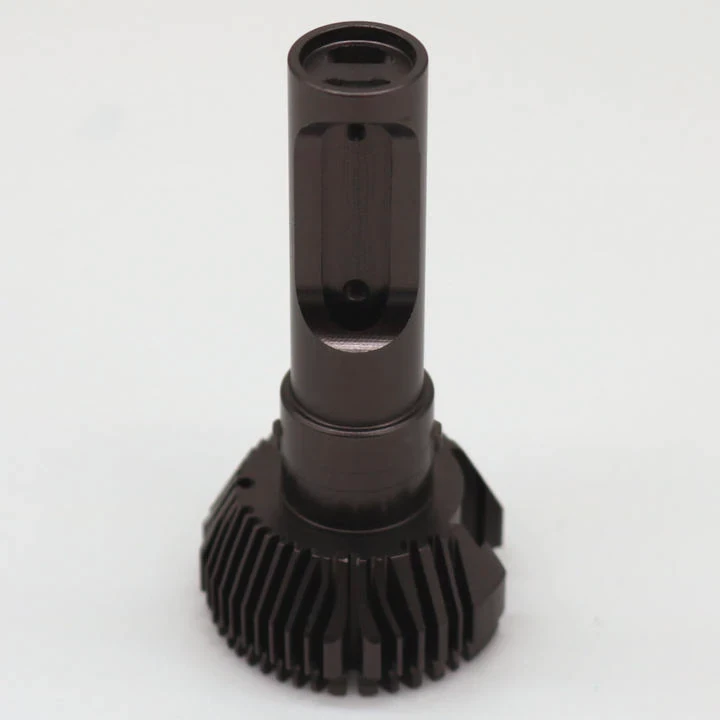
Heat builds up fast in electronics. That heat damages parts and reduces life. Many systems fail early because cooling is weak or poorly designed.
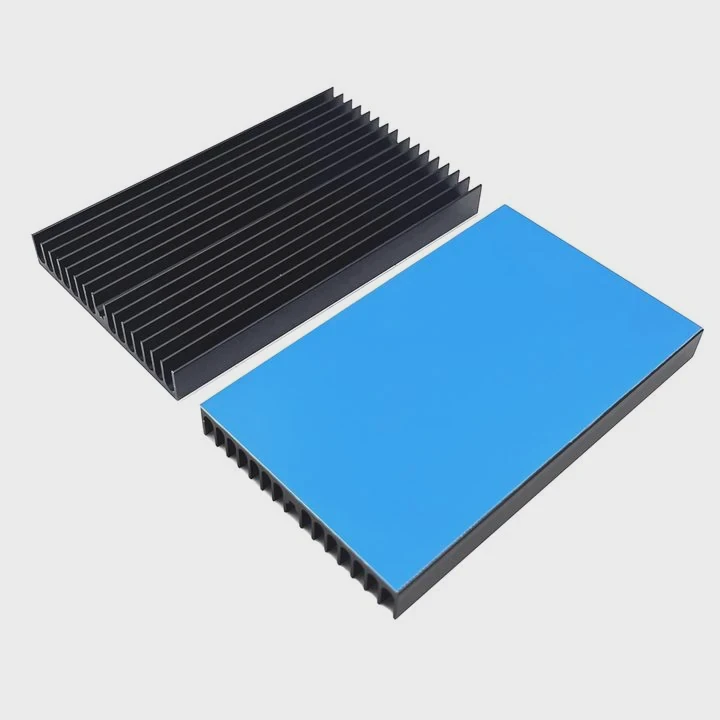
A passive heat sink is a cooling device that removes heat from electronic components without using fans or moving parts. It relies on conduction, convection, and radiation to dissipate heat into the surrounding air.
This topic matters more today. Devices are smaller but power is higher. So thermal design becomes a key part of product success.
How does a passive heat sink operate?
Heat rises quickly inside devices. If it cannot escape, performance drops. Chips slow down. Systems shut off or fail.
A passive heat sink operates by transferring heat from a hot component into a metal structure, then spreading and releasing it into the air through natural convection and radiation.
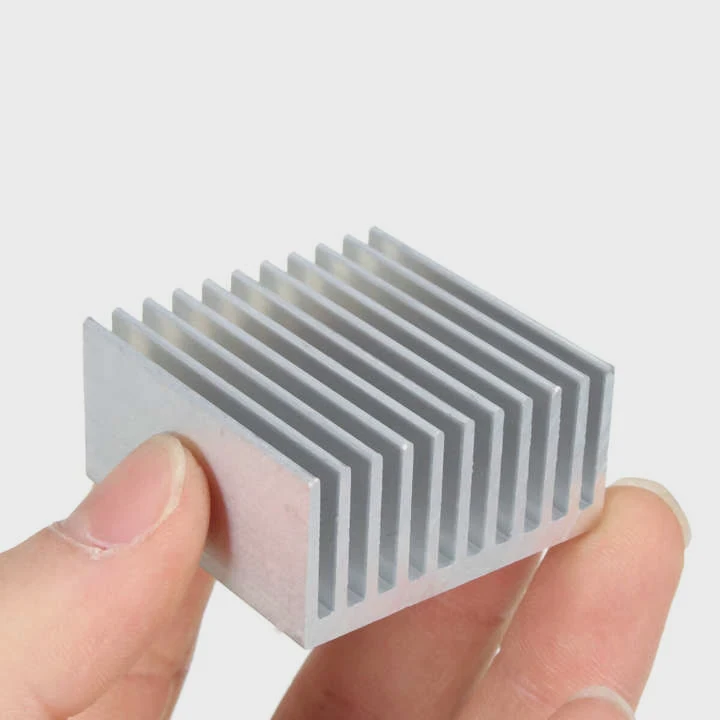
Heat Transfer Basics
A passive heat sink works through three main steps:
- Conduction – Heat moves from the device into the heat sink base
- Spreading – Heat distributes across fins or surfaces
- Dissipation – Heat transfers to air naturally
Each step must be efficient. If one fails, the whole system becomes weak.
Key Materials Used
Most passive heat sinks use aluminum or copper. Each has strengths.
| Material | Thermal Conductivity | Weight | Cost | Typical Use |
|---|---|---|---|---|
| Aluminum | Medium (~200 W/m·K) | Light | Low | General electronics |
| Copper | High (~400 W/m·K) | Heavy | High | High-power devices |
Aluminum is common because it balances cost and weight. Copper is used when heat is very high.
Fin Design Matters
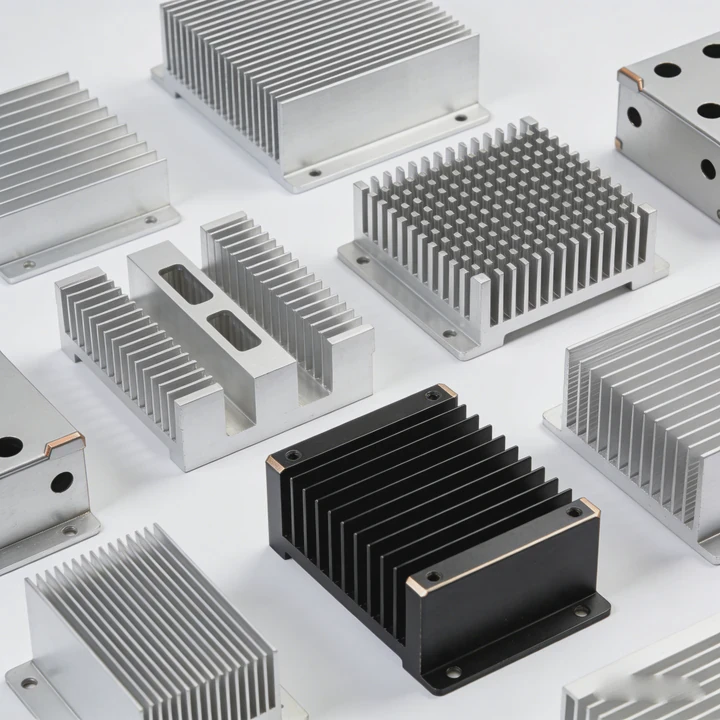
The shape and spacing of fins control airflow.
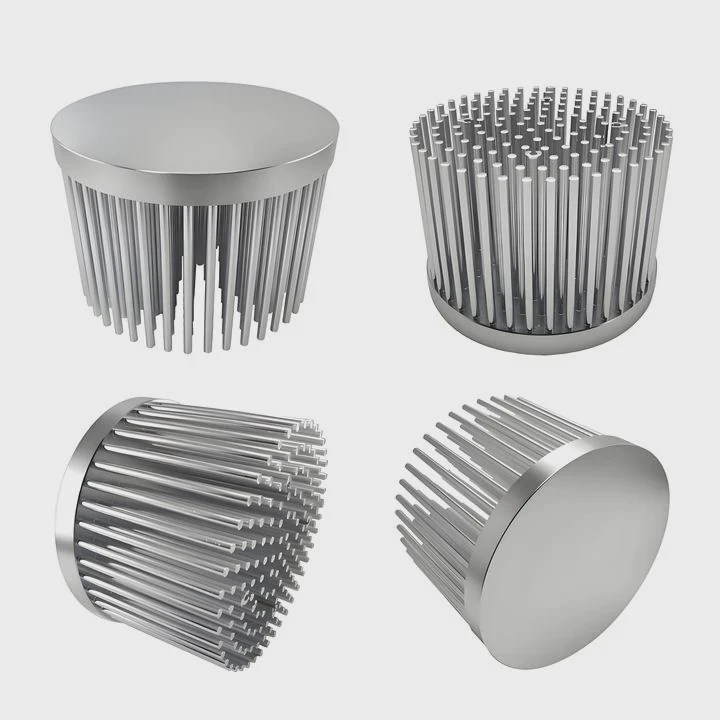
- Thin fins increase surface area
- Wide spacing improves airflow
- Vertical fins support natural convection
If fins are too close, air gets trapped. That reduces cooling.
Natural Convection Process
Passive heat sinks rely on air movement without fans.
Hot air rises. Cool air replaces it. This creates a cycle.
- Heat warms the air near fins
- Warm air rises upward
- Cooler air flows in from below
This process is simple but powerful when designed well.
Real Design Challenges
Designing passive heat sinks is not easy.
- Limited airflow
- Space constraints
- Orientation sensitivity
For example, a vertical heat sink works better than a horizontal one. Orientation affects airflow paths.
Thermal Resistance Concept
Engineers often use thermal resistance to measure performance.
Lower resistance means better heat transfer.
| Factor | Impact on Performance |
|---|---|
| Surface area | Higher area improves cooling |
| Material | Better conductivity reduces resistance |
| Airflow | Natural flow must not be blocked |
A good passive heat sink reduces thermal resistance across all layers.
Why use passive cooling solutions?
Cooling systems can fail. Fans break. Dust blocks airflow. Noise increases. Maintenance becomes costly.
Passive cooling solutions are used because they are reliable, silent, maintenance-free, and energy-efficient, making them ideal for long-life and high-reliability applications.
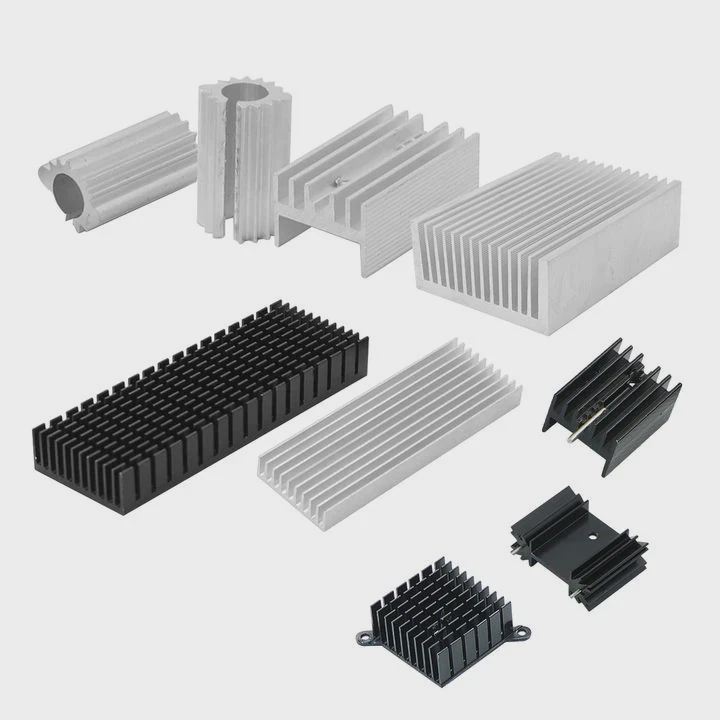
No Moving Parts Advantage
Passive systems have zero moving parts.
This means:
- No mechanical failure
- No vibration
- No noise
This is critical in medical and industrial systems.
Energy Efficiency
Active cooling uses fans or pumps. These consume power.
Passive cooling uses no extra energy.
This helps:
- Reduce system power consumption
- Improve overall efficiency
- Support green design goals
Reliability Over Time
In many projects, long life is required.
For example:
- Rail systems
- Telecom infrastructure
- Outdoor electronics
Passive heat sinks can last over 10–15 years without maintenance.
Noise-Free Operation
Noise is a hidden problem.
Fans create sound. Over time, noise increases.
Passive heat sinks are silent. This is important for:
- Medical devices
- Office equipment
- Home electronics
Lower Maintenance Cost
Maintenance is expensive in large systems.
With passive cooling:
- No fan replacement
- No cleaning cycles
- No downtime
This reduces total cost over time.
Limitations to Consider
Passive cooling is not perfect.
- Lower cooling capacity than active systems
- Requires larger size
- Depends on ambient temperature
So design must balance performance and space.
When Passive Cooling is the Best Choice
Passive cooling works best when:
- Heat load is moderate
- Space allows larger heat sinks
- Reliability is critical
- Noise must be zero
In many cases, hybrid systems are also used.
Where are passive heat sinks applied?
Many systems fail because cooling is ignored early. Engineers often add cooling later, which leads to poor results.
Passive heat sinks are applied in industries where reliability, silence, and low maintenance are critical, such as telecommunications, industrial equipment, renewable energy, and transportation systems.
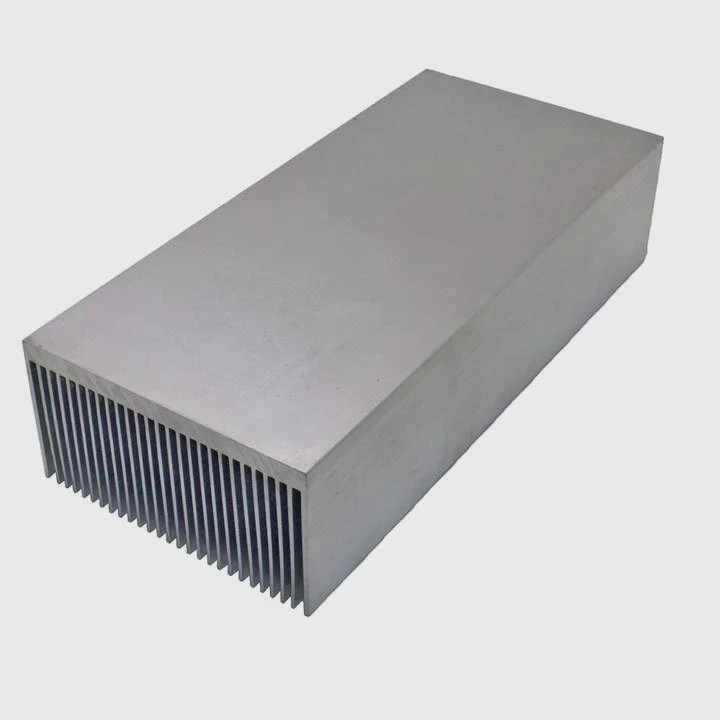
Telecommunications Systems
Telecom equipment runs 24⁄7.
- Base stations
- 5G modules
- Network switches
These systems often use passive cooling to avoid failure in remote locations.
Industrial Equipment
Factories need stable systems.
Passive heat sinks are used in:
- Control panels
- Power supplies
- Automation systems
These environments are often dusty. Fans would fail quickly.
Renewable Energy Systems
Solar and energy storage systems produce heat.
Passive cooling helps:
- Improve efficiency
- Extend component life
- Reduce maintenance
Rail and Transportation
Rail systems demand high reliability.
Passive heat sinks are used in:
- Train control systems
- Power converters
- Signal systems
These systems must meet strict standards.
Medical Equipment
Medical devices require silence and stability.
Passive cooling is used in:
- Imaging systems
- Monitoring devices
- Lab equipment
Noise and vibration must be avoided.
Outdoor Electronics
Outdoor systems face harsh conditions.
- High temperature
- Dust
- Rain
Passive heat sinks work well because they are sealed and robust.
Application Comparison Table
| Industry | Cooling Requirement | Why Passive Works |
|---|---|---|
| Telecom | Continuous operation | High reliability |
| Industrial | Harsh environment | No moving parts |
| Energy | Efficiency | Low power use |
| Medical | Silent operation | No noise |
| Rail | Safety critical | Long lifespan |
Which devices rely on passive heat sinks?
Many people think only large systems use heat sinks. But even small devices depend on them.
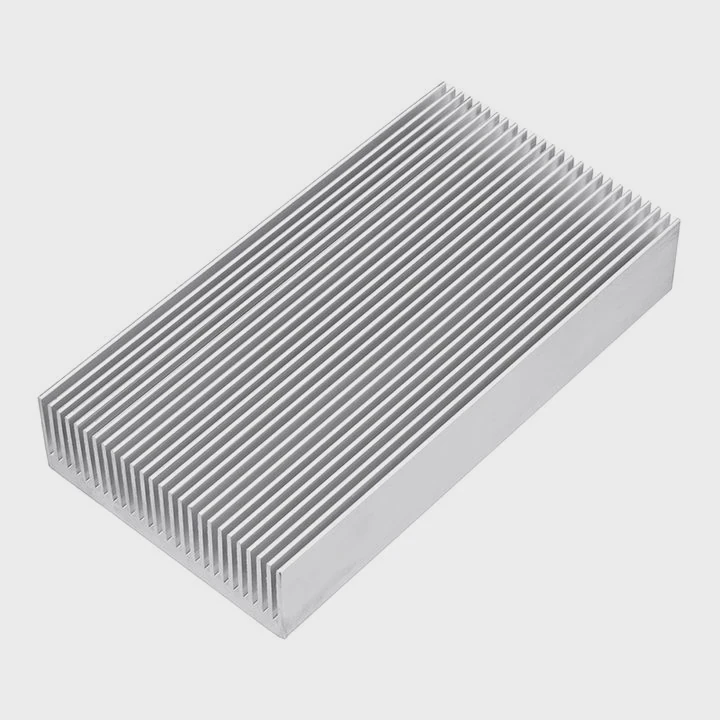
Devices that rely on passive heat sinks include CPUs, LEDs, power electronics, communication modules, and embedded systems where silent and reliable cooling is essential.
Consumer Electronics
Some devices use small passive heat sinks:
- LED lighting
- Routers
- Set-top boxes
These devices generate moderate heat and need silent operation.
Power Electronics
Power devices produce significant heat.
Examples include:
- Inverters
- DC-DC converters
- Battery systems
Passive heat sinks help manage thermal load without extra power use.
LED Lighting Systems
LEDs are sensitive to heat.
Too much heat reduces brightness and lifespan.
Passive heat sinks are widely used because:
- They extend LED life
- They improve performance
- They reduce failure rate
CPUs and Embedded Systems
Some low-power CPUs use passive cooling.
This is common in:
- Industrial PCs
- Edge computing devices
- IoT systems
These systems often run continuously.
Communication Modules
Communication hardware must stay stable.
Passive heat sinks are used in:
- 5G modules
- RF devices
- Signal processors
Automotive and EV Systems
Electric vehicles generate heat in many components.
Passive cooling is used in:
- Control units
- Sensors
- Battery management systems
Device Comparison Table
| Device Type | Heat Level | Cooling Type |
|---|---|---|
| LED lights | Medium | Passive |
| CPU (low power) | Low to medium | Passive |
| Power modules | High | Passive / Hybrid |
| Telecom units | Medium to high | Passive |
| EV electronics | Medium | Passive |
Design Considerations for Devices
Each device needs a custom solution.
Important factors include:
- Heat load (W)
- Ambient temperature
- Space constraints
- Orientation
A one-size solution does not work.
Conclusion
Passive heat sinks provide reliable, silent, and efficient cooling. They are essential in modern electronics where durability and low maintenance matter. Proper design ensures strong thermal performance across many industries and devices.