
What Is a Heat Sink Used For?
- Yongxing
- 08 Apr ,2026
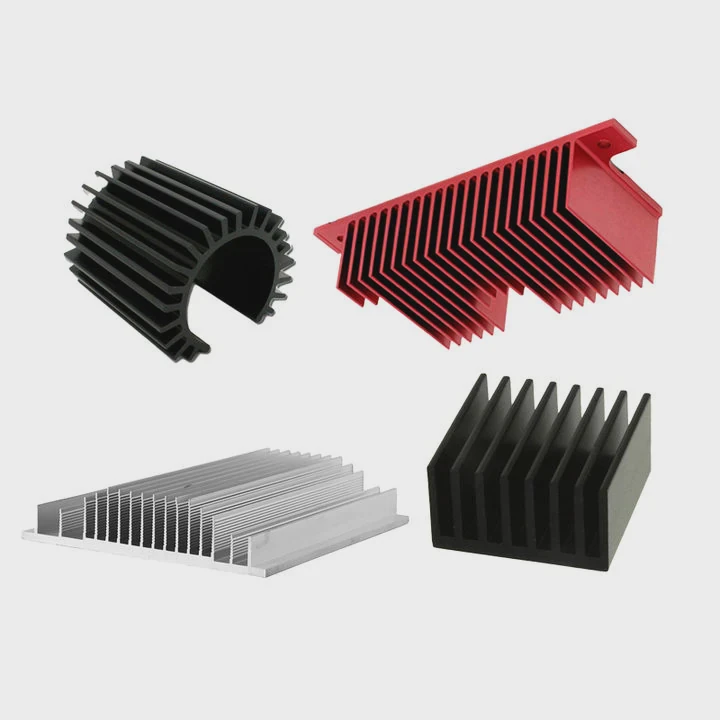
Heat builds up fast in modern electronics. Many devices fail early because this heat is not managed well.
A heat sink is used to absorb, spread, and dissipate heat from electronic components, keeping them within safe operating temperatures and ensuring stable performance.
Heat control is not optional. It directly affects efficiency, safety, and product lifespan. Without proper cooling, even the best hardware becomes unreliable.
How Does a Heat Sink Improve Performance?
Heat slows everything down. Devices lose efficiency when temperatures rise.
A heat sink improves performance by maintaining lower operating temperatures, which allows components to run at higher speeds without throttling or failure.
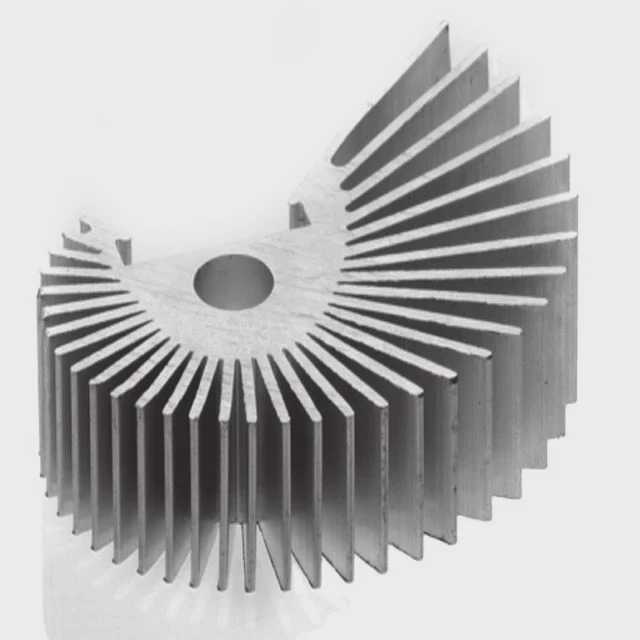
Temperature vs Performance
Electronic components are sensitive to heat. When temperature rises:
- Resistance increases
- Signal stability drops
- Processing speed decreases
Lower temperature allows systems to operate at full capacity.
Thermal Throttling Explained
Most modern chips include protection systems. When heat exceeds limits:
- Clock speed reduces
- Voltage adjusts
- Performance drops
A heat sink prevents this from happening too soon.
Stability Under Load
Devices often run under heavy load for long periods.
Examples include:
- Data processing
- Industrial automation
- Communication systems
Without proper cooling, performance becomes unstable.
Efficiency Gains
Cooling improves energy efficiency.
| Condition | With Heat Sink | Without Heat Sink |
|---|---|---|
| Power Efficiency | High | Reduced |
| Output Stability | Stable | Fluctuating |
| Error Rate | Low | Higher |
Impact on High-Power Systems
In high-power designs, heat directly limits output.
Better cooling allows:
- Higher current handling
- Increased processing speed
- Longer continuous operation
Real Insight
In many real projects, performance issues were first blamed on software. Later, the root cause was thermal limits.
Once a better heat sink was added, performance improved without any software change.
Design Perspective
Performance is not just about specs. It depends on thermal design.
A strong system always includes:
Proper heat sink selection
Efficient airflow
Reliable thermal interface
Why Is a Heat Sink Widely Used?
Heat exists in every electronic system. This makes heat sinks essential.
A heat sink is widely used because it is a simple, reliable, and cost-effective solution for managing heat across many types of electronic devices.
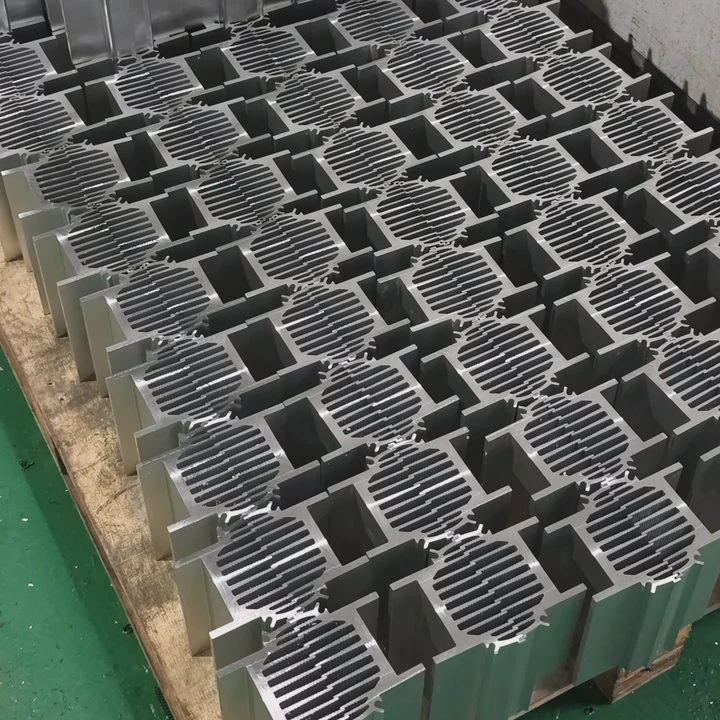
Simple Yet Effective
A heat sink has no moving parts (in passive designs). This makes it:
- Reliable
- Easy to maintain
- Long-lasting
Cost Efficiency
Compared to complex cooling systems, heat sinks are affordable.
They provide strong thermal performance without high cost.
Scalable Design
Heat sinks can be adapted for many applications:
- Small chips
- Large power modules
- Custom industrial systems
Design flexibility makes them widely used.
Compatibility
Heat sinks work with different cooling methods:
- Passive cooling
- Forced air cooling
- Liquid-assisted systems
This makes them suitable for many environments.
Reliability Over Time
Electronic systems must run for years.
Heat sinks offer:
- Consistent performance
- Low failure rate
- Minimal maintenance
Industry Preference
Engineers prefer solutions that are predictable.
| Factor | Heat Sink Advantage |
|---|---|
| Reliability | High |
| Cost | Low |
| Design Flexibility | Strong |
| Maintenance | Minimal |
Real Observation
In many industries, even advanced cooling systems still rely on heat sinks as the core component.
They are rarely replaced. Instead, they are enhanced with:
- Fans
- Heat pipes
- Liquid cooling
Engineering Logic
The reason is simple:
Heat must move from source to air. A heat sink provides the most direct and efficient path.
Where Are Heat Sinks Applied in Industries?
Heat sinks are used almost everywhere. Any system that generates heat needs them.
Heat sinks are applied in industries such as electronics, automotive, energy, telecommunications, and medical equipment to manage heat and ensure system reliability.
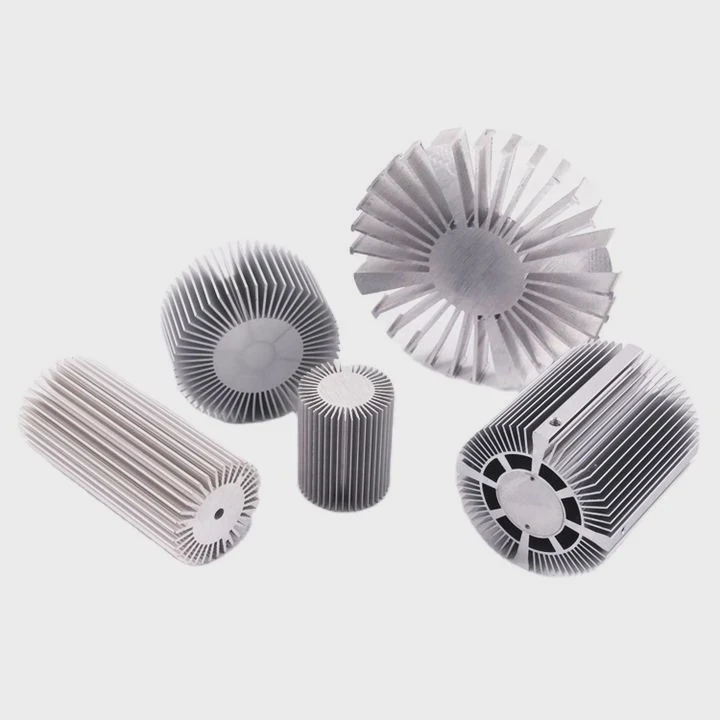
Electronics Industry
This is the most common area.
Applications include:
- CPUs and GPUs
- Power supplies
- LED lighting systems
Small size but high heat density makes cooling critical.
Automotive Industry
Modern vehicles use many electronic systems.
Heat sinks are used in:
- Electric vehicle power modules
- Battery management systems
- Motor controllers
Reliability is critical due to safety requirements.
Energy and Power Systems
High-power systems generate large amounts of heat.
Examples:
- Inverters
- Solar power systems
- Energy storage systems
Heat sinks help maintain efficiency and prevent failure.
Telecommunications
5G and communication systems require stable operation.
Heat sinks are used in:
- Base stations
- Signal processing units
- Network hardware
High frequency means high heat generation.
Medical Equipment
Precision devices must remain stable.
Heat sinks are found in:
- Imaging systems
- Laser equipment
- Monitoring devices
Temperature control ensures accuracy.
Industrial Automation
Factories rely on continuous operation.
Heat sinks are used in:
- Control systems
- Robotics
- Power drives
Industry Comparison Table
| Industry | Application | Cooling Requirement |
|---|---|---|
| Electronics | Chips, LEDs | Medium |
| Automotive | EV modules | High |
| Energy | Inverters | Very High |
| Telecom | Base stations | High |
| Medical | Imaging devices | Stable & precise |
Real Insight
In industrial environments, heat sinks must meet strict standards.
They must handle:
- Dust
- Vibration
- Temperature changes
This requires custom designs, not standard products.
Which Systems Benefit from Heat Sinks?
Not all systems are equal. Some depend heavily on thermal control.
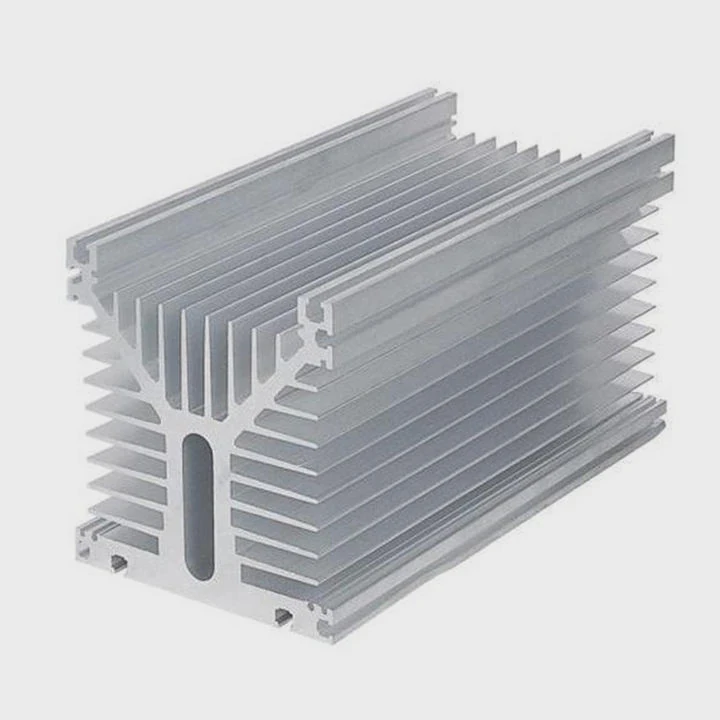
Systems that generate continuous or high-density heat benefit the most from heat sinks, including computing systems, power electronics, and high-frequency devices.
Computing Systems
This includes:
- Servers
- Workstations
- Embedded systems
These systems run continuously and generate constant heat.
Power Electronics
Power devices handle large currents.
Examples:
- IGBT modules
- MOSFET systems
- Power converters
These require strong thermal management.
LED Lighting Systems
LEDs are efficient but still generate heat.
Without cooling:
- Brightness drops
- Lifespan shortens
Heat sinks keep them stable.
Renewable Energy Systems
Solar and wind systems rely on power electronics.
Heat sinks improve:
- Efficiency
- Reliability
- Output consistency
Aerospace and Rail Systems
These systems operate in extreme conditions.
Heat sinks must be:
- Lightweight
- Durable
- Highly efficient
Data Centers
Data centers run 24⁄7.
Cooling is critical to:
- Maintain uptime
- Reduce energy cost
- Protect hardware
System Benefit Table
| System Type | Key Benefit of Heat Sink |
|---|---|
| Servers | Continuous performance |
| Power Modules | Prevent overheating |
| LEDs | Maintain brightness |
| Renewable Systems | Improve efficiency |
| Industrial Systems | Ensure reliability |
Practical Observation
Many system failures trace back to poor thermal design.
In several cases, upgrading the heat sink solved:
- Overheating
- Unexpected shutdowns
- Performance drops
Design Insight
Choosing the right heat sink depends on:
- Heat load
- Environment
- Space constraints
Custom solutions often provide the best results.
Conclusion
A heat sink is a fundamental tool for managing heat in modern systems. It improves performance, ensures reliability, and supports a wide range of industries and applications where thermal control is critical.




