What is a heat sink in science?
- Yongxing
- 08 Apr ,2026
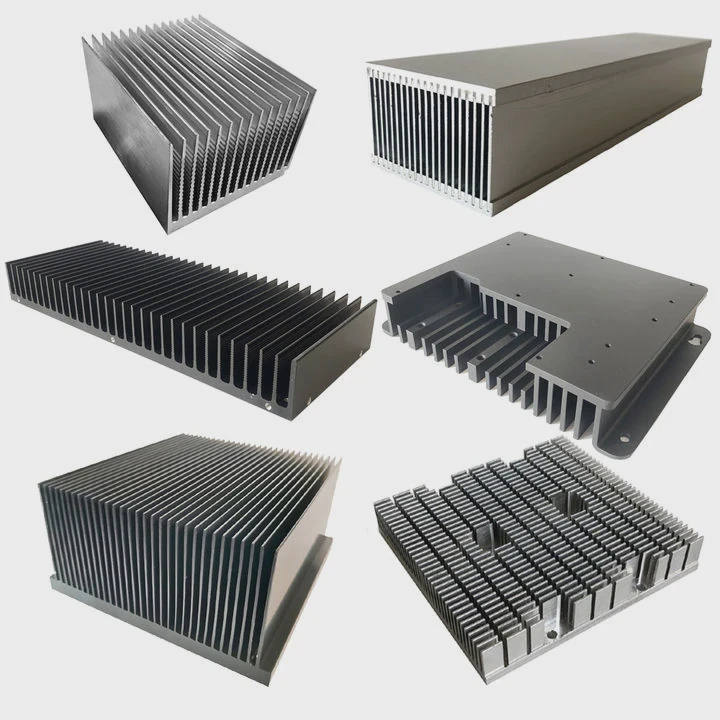
Heat builds up everywhere, not just in machines. Many people misunderstand how energy moves and where it goes. This confusion makes thermal concepts harder to grasp.
In science, a heat sink is any system or medium that absorbs and dissipates heat energy from another object, helping maintain thermal balance and prevent overheating.
Understanding heat sinks in science helps explain how energy flows in both natural and engineered systems. This idea connects physics, engineering, and even environmental science in a clear way.
How is heat sink defined scientifically?
Heat transfer often seems abstract. Many struggle to define where heat goes after it leaves a hot object. This leads to confusion in basic thermodynamics.
Scientifically, a heat sink is defined as a body or system with a lower temperature that absorbs heat energy from a higher-temperature source through physical transfer processes.
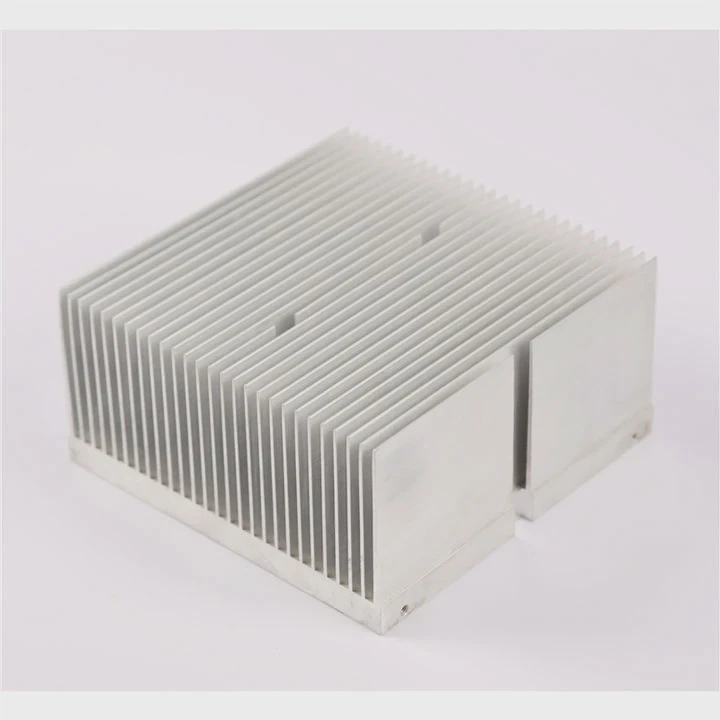
In science, the concept of a heat sink is rooted in thermodynamics. Heat always moves from a higher temperature region to a lower one. A heat sink acts as the receiving end of this process.
Scientific definition breakdown
A heat sink must meet three conditions:
- It has a lower temperature than the heat source
- It can absorb thermal energy
- It can store or dissipate that energy
Types of heat sinks in science
| Type | Description | Example |
|---|---|---|
| Infinite sink | Absorbs heat without temperature change | Ocean (ideal model) |
| Finite sink | Temperature rises as it absorbs heat | Metal block |
| Active sink | Uses external means to enhance heat removal | Cooling systems |
The idea of an infinite heat sink is often used in theory. It assumes the sink never changes temperature. This simplifies equations and models. In real life, all heat sinks are finite.
Energy flow explanation
Heat transfer follows energy conservation laws. Energy does not disappear. It only moves from one system to another.
Scientists use this concept in many equations. It helps predict how systems behave under thermal stress.
Real scientific context
In laboratory experiments, controlled heat sinks are used to maintain stable conditions. Without them, measurements become unreliable.
The concept is simple, but its applications are wide. From small-scale experiments to large environmental systems, heat sinks play a key role in energy balance.
Why are heat sinks studied in science?
Heat is part of every physical process. Ignoring it leads to incomplete understanding. That is why heat sinks are studied across many fields.
Heat sinks are studied in science to understand energy transfer, improve system efficiency, and control temperature in both natural and engineered environments.
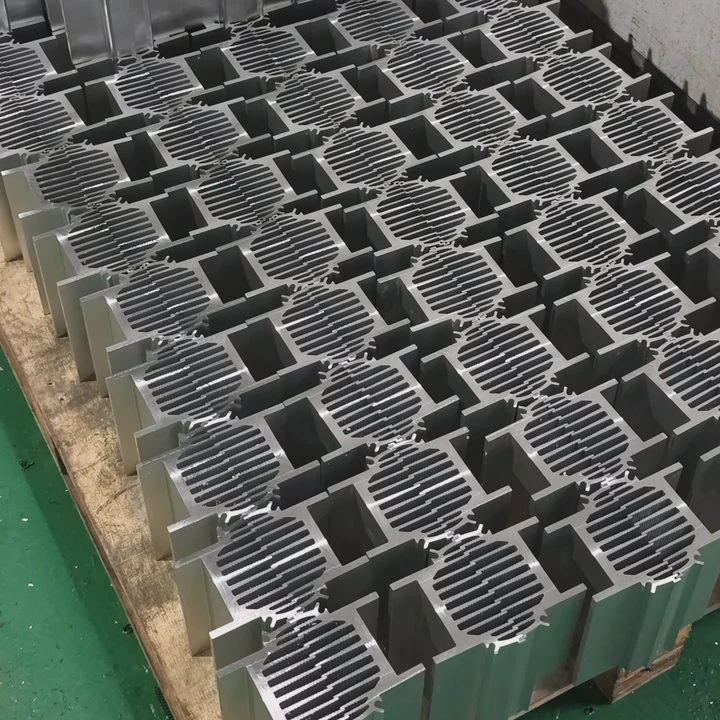
Heat sinks are not just practical tools. They are also theoretical models. Scientists study them to understand how energy behaves under different conditions.
Key reasons for studying heat sinks
- To analyze heat transfer mechanisms
- To improve thermal management in systems
- To predict environmental changes
- To design efficient energy systems
Role in different scientific fields
| Field | Application of Heat Sink Concept |
|---|---|
| Physics | Thermodynamics and energy flow |
| Engineering | Cooling system design |
| Environmental science | Climate and heat distribution |
| Chemistry | Reaction temperature control |
Impact on technology
Modern technology depends on thermal control. Without understanding heat sinks, devices would fail quickly.
For example, energy systems such as power plants rely on heat dissipation. Efficient heat sinks improve performance and reduce energy loss.
Environmental importance
The Earth itself acts as a large heat sink. Oceans absorb heat from the atmosphere. This affects climate patterns.
Scientists study this process to understand global warming. Small changes in heat absorption can lead to large environmental effects.
Practical research value
In experiments, heat sinks help maintain stable temperatures. This ensures accurate data.
Without proper heat control, results can vary. This makes scientific conclusions unreliable.
Studying heat sinks is not just about cooling. It is about understanding how energy moves and how systems stay balanced.
Where do heat sinks appear in nature?
Heat sinks are not only man-made. Nature uses the same principles to manage energy. Many natural systems act as heat sinks.
Heat sinks appear in nature in systems like oceans, forests, soil, and the atmosphere, where they absorb and redistribute heat energy.
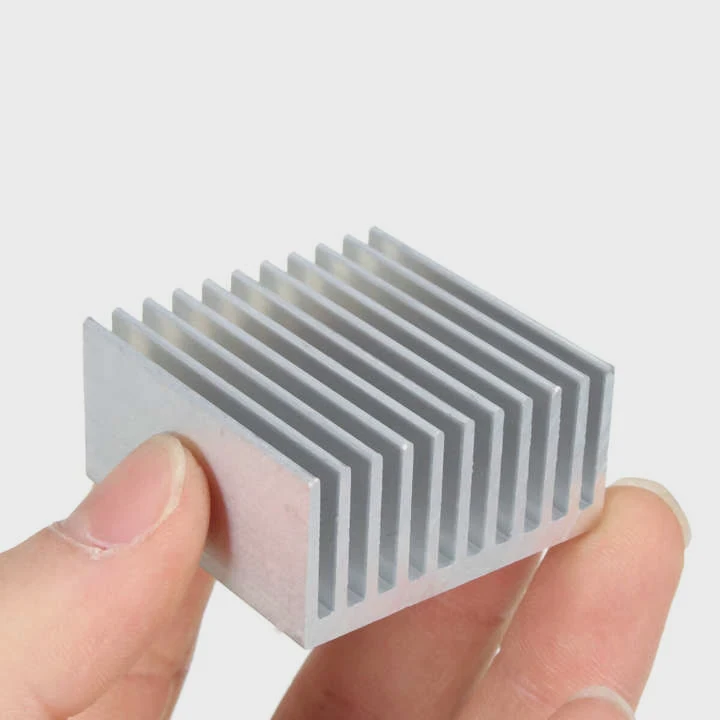
Nature constantly balances energy. Heat flows through ecosystems, and different elements act as sinks.
Natural heat sinks
Oceans
They absorb large amounts of solar heat. Water has high heat capacity, so it stores energy efficiently.Soil and land
Ground absorbs heat during the day and releases it at night.Forests
Vegetation reduces heat through shading and evaporation.Atmosphere
Air distributes heat across the planet through circulation.
Comparison of natural heat sinks
| System | Heat Capacity | Role |
|---|---|---|
| Ocean | Very High | Global temperature regulation |
| Soil | Medium | Local temperature balance |
| Forest | Medium | Cooling through evapotranspiration |
| Air | Low | Heat distribution |
Why oceans are dominant
Water can absorb more heat than most materials. This makes oceans the largest heat sink on Earth.
They slow down temperature changes. Without them, climate would be more extreme.
Dynamic balance in nature
Heat sinks in nature are not static. They interact with each other.
For example, ocean heat affects atmospheric currents. This influences weather patterns.
Human impact
Human activity changes natural heat sinks. Deforestation reduces cooling capacity. Pollution affects atmospheric heat balance.
Understanding natural heat sinks helps scientists predict environmental changes. It also helps in designing sustainable systems.
Which principles explain heat sink behavior?
Many people see heat sinks as simple objects. In reality, their behavior follows clear scientific laws. These principles explain how heat moves and spreads.
Heat sink behavior is explained by thermodynamics, heat transfer laws, and material properties that govern how energy flows and dissipates.
Core scientific principles
First Law of Thermodynamics
Energy is conserved. Heat transferred into a sink increases its internal energy.Second Law of Thermodynamics
Heat flows naturally from hot to cold regions.Fourier’s Law (Conduction)
Heat transfer depends on temperature gradient and material conductivity.Newton’s Law of Cooling
Heat loss depends on temperature difference and surface conditions.
Key equations overview
| Principle | Meaning |
|---|---|
| Energy conservation | Total energy remains constant |
| Heat flow direction | Hot → Cold |
| Conduction rate | Depends on material and gradient |
| Cooling rate | Depends on environment |
Material influence
Different materials behave differently. Metals conduct heat well. Air does not.
This affects how fast heat moves through a system.
Geometry and surface area
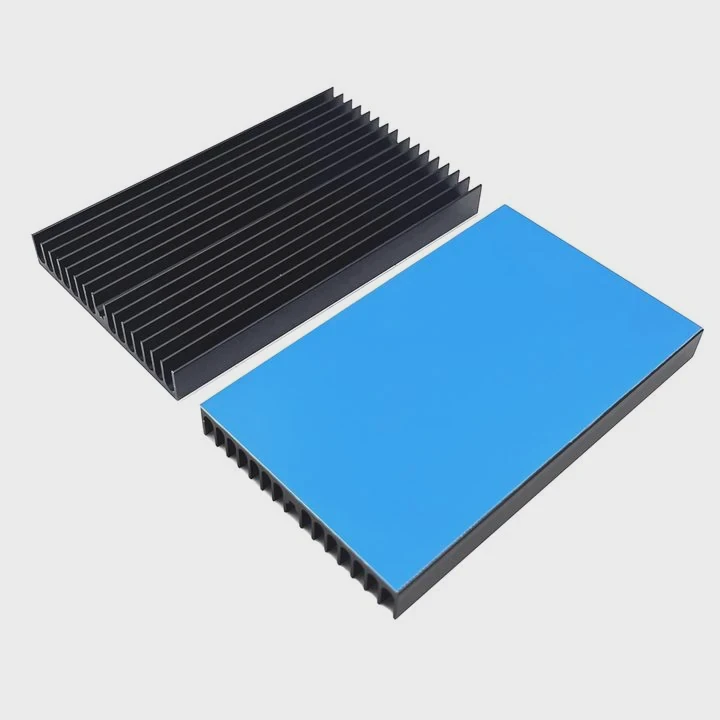
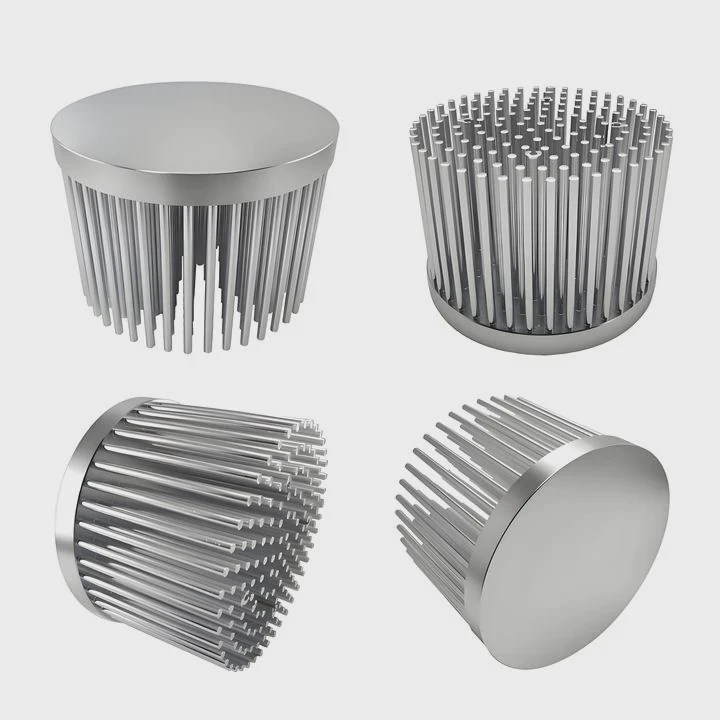
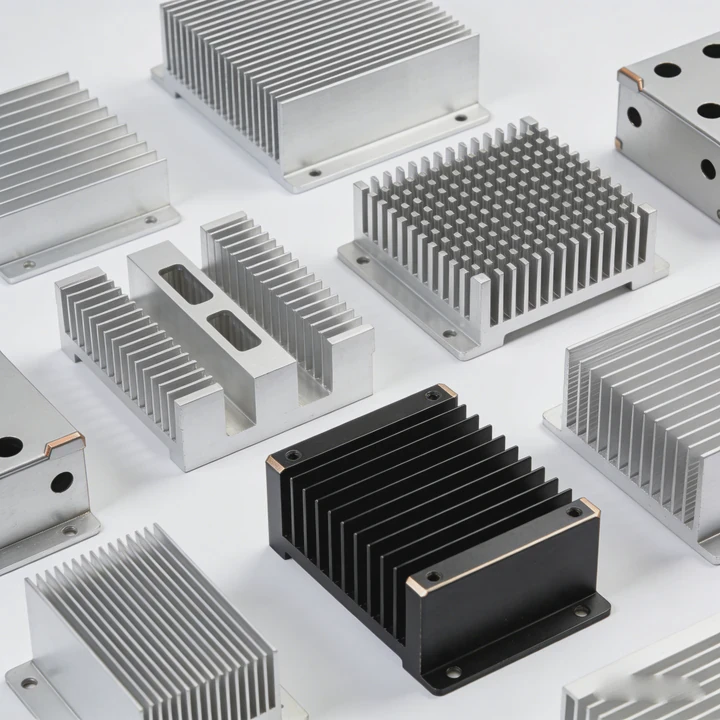
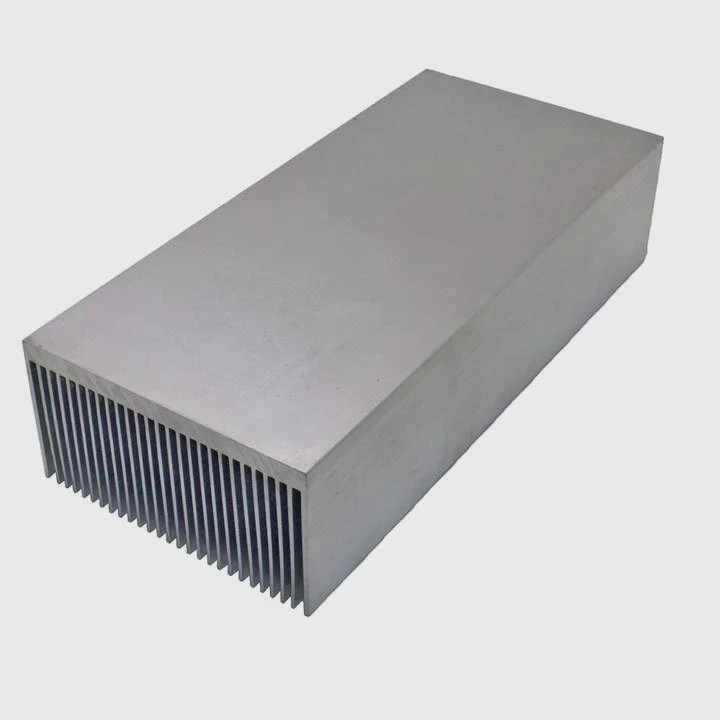
Heat sinks often have fins. This increases surface area. More area means more heat exchange.
This principle applies in both natural and engineered systems.
Combined heat transfer
In real situations, multiple mechanisms work together:
- Conduction inside solids
- Convection with fluids
- Radiation to surroundings
Practical understanding
In real projects, these principles guide design decisions. A good heat sink uses all three mechanisms effectively.
Understanding these laws helps predict performance. It also helps avoid design mistakes.
Heat sink behavior is not random. It follows clear and measurable scientific rules that apply across all systems.
Conclusion
A heat sink in science is any system that absorbs and redistributes heat. It explains energy flow in nature and technology, helping maintain balance and stability across physical systems.