What Is a Heat Sink in Electronics?
- Yongxing
- 08 Apr ,2026
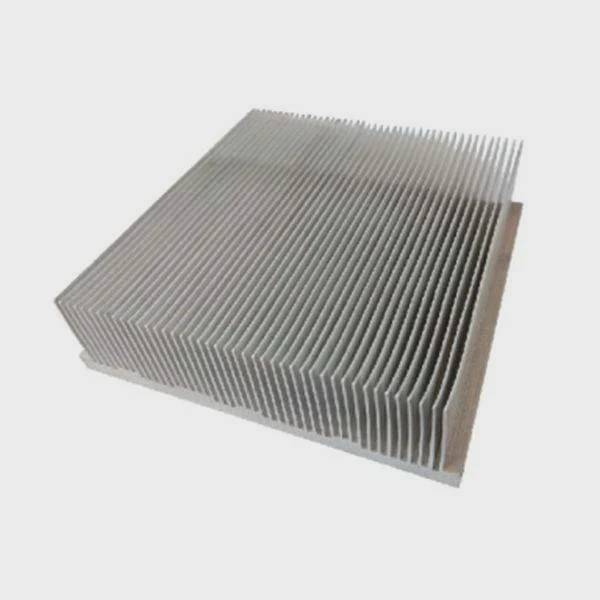
Electronic devices get hot during operation. Heat builds up fast and damages sensitive components. Many systems fail because this issue is ignored early.
A heat sink in electronics is a device that transfers heat away from components like chips or power modules and releases it into the surrounding environment to maintain safe operating temperatures.
Understanding how heat sinks work in electronics helps engineers design stable systems. It also helps buyers avoid overheating risks and improve product lifespan.
Heat management is no longer optional. It is a core part of modern electronic design.
How are heat sinks used in electronics?
Heat builds up quickly inside electronic devices. Without control, performance drops and failure becomes likely. This creates serious reliability issues.
Heat sinks are used in electronics by attaching them to heat-generating components, allowing heat to transfer away and dissipate into air or liquid cooling systems.
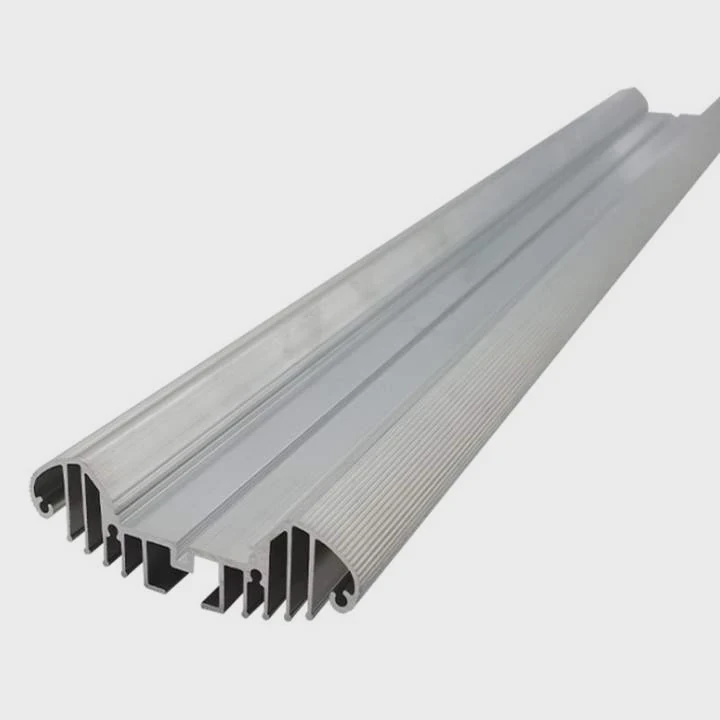
Heat sinks are integrated directly into electronic systems. They are not external add-ons. They are part of the thermal path.
Direct Attachment to Components
A heat sink is usually mounted on a hot component. This includes CPUs, GPUs, or power transistors.
A thermal interface material (TIM) is used between the component and the heat sink. This improves contact and reduces thermal resistance.
Common attachment methods include:
- Screws or clips
- Thermal adhesive
- Spring-loaded mounting systems
Each method ensures firm contact. Poor contact leads to poor cooling.
Integration with Cooling Systems
Heat sinks often work with other cooling methods.
These include:
- Fans (forced air cooling)
- Liquid cooling plates
- Heat pipes or vapor chambers
The heat sink acts as the base. Other systems enhance its performance.
Passive vs Active Use
There are two main approaches:
| Type | Description | Use Case |
|---|---|---|
| Passive heat sink | No moving parts, relies on airflow | Low to medium power devices |
| Active heat sink | Uses fans or pumps | High-performance systems |
Passive systems are simple and reliable. Active systems offer higher cooling efficiency.
Layout in Electronic Design
Engineers must consider heat sink placement early. It affects:
- PCB layout
- Airflow direction
- System size
A poor layout reduces cooling efficiency.
Real Engineering Perspective
In many real projects, heat sinks are selected too late. This causes redesign issues. Early thermal planning avoids these problems.
Heat sinks are not just components. They are part of system architecture.
Why do electronic devices need heat sinks?
Heat is generated whenever electricity flows. As devices become more powerful, heat increases. This creates serious risks.
Electronic devices need heat sinks to prevent overheating, maintain performance, protect components, and ensure long-term reliability.
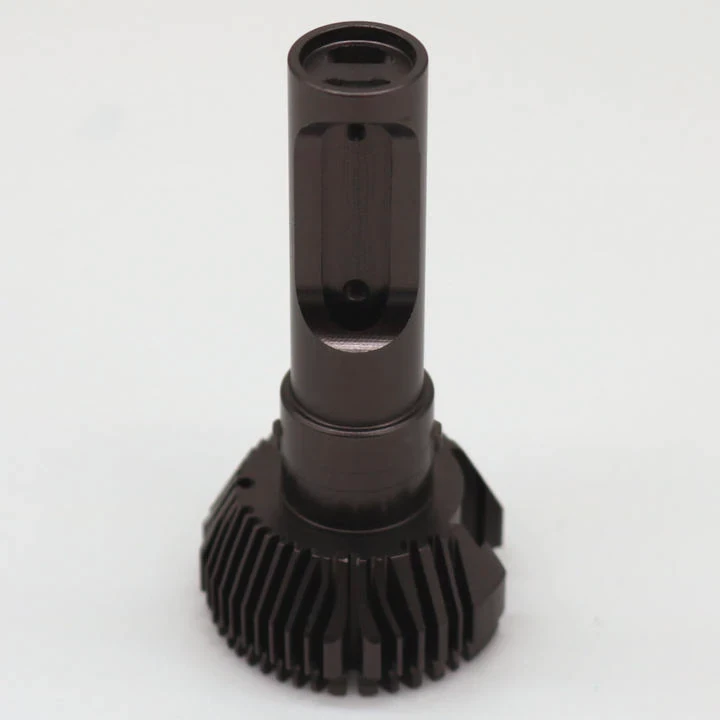
Heat affects every part of an electronic system. It is one of the main causes of failure.
Preventing Overheating
High temperatures can exceed safe limits. This leads to shutdown or permanent damage.
Semiconductors are sensitive to heat. Even small increases can affect behavior.
Maintaining Performance
Many devices reduce performance when hot. This is called thermal throttling.
Examples include:
- CPUs slowing down
- GPUs reducing clock speed
- Power modules losing efficiency
A heat sink helps maintain stable output.
Extending Lifespan
Heat accelerates aging. Materials degrade faster at high temperatures.
This affects:
- Solder joints
- Capacitors
- Insulation materials
Lower temperature means longer life.
Reliability in Critical Systems
In some industries, failure is not acceptable.
These include:
- Medical equipment
- Aerospace systems
- Rail transportation
- Energy infrastructure
Heat sinks ensure safe operation in these systems.
Cost of Ignoring Thermal Design
Many projects fail because thermal design is ignored early.
Here is a comparison:
| Scenario | Result |
|---|---|
| No heat sink | Fast failure |
| Undersized heat sink | Performance issues |
| Proper design | Stable and reliable system |
Practical Insight
A good thermal design reduces maintenance costs. It also improves product reputation.
Heat sinks are a small investment with large impact.
Where are heat sinks placed in circuits?
Heat sinks must be placed correctly to work well. Poor placement reduces efficiency and creates hot spots.
Heat sinks are placed directly on heat-generating components such as processors, power transistors, and voltage regulators within electronic circuits.
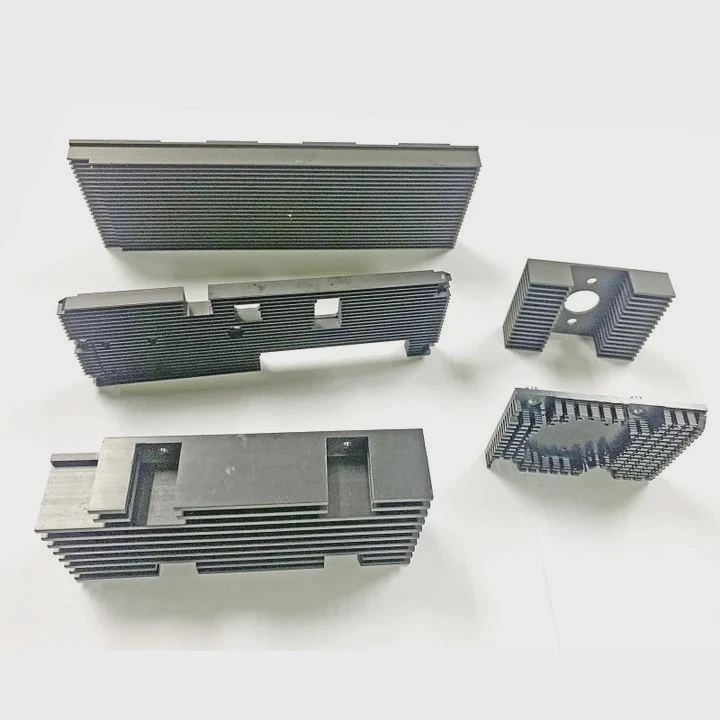
Placement is a key part of thermal design. It affects airflow, heat flow, and system reliability.
On Top of Heat Sources
The most common placement is directly on the component.
Examples include:
- CPU chips
- Power MOSFETs
- Voltage regulators
The goal is to remove heat at the source.
Orientation and Airflow
Airflow direction matters.
Heat sinks should align with airflow paths. This improves convection.
Design considerations include:
- Vertical vs horizontal fin orientation
- Distance between components
- Fan placement
Poor airflow reduces cooling efficiency.
PCB-Level Considerations
Heat sinks interact with PCB design.
Engineers must consider:
- Component spacing
- Copper layers for heat spreading
- Mounting holes and support
Thermal vias are often used to transfer heat through the board.
Enclosure Constraints
The device enclosure also affects placement.
Limited space can restrict heat sink size.
This leads to trade-offs:
- Larger heat sink vs compact design
- Passive vs active cooling
Example Layout Table
| Component Type | Typical Heat Sink Placement |
|---|---|
| CPU | Direct top mounting |
| Power transistor | Clip-on or bolted |
| Voltage regulator | Small attached sink |
| LED module | Integrated base plate |
Real Design Insight
In many cases, overheating problems come from poor placement, not poor materials.
A well-placed aluminum heat sink can outperform a poorly placed copper one.
Placement is as important as material choice.
Which electronic parts require heat sinks?
Not all components need heat sinks. Only those that generate significant heat require them.
Electronic parts that require heat sinks include CPUs, GPUs, power transistors, voltage regulators, LEDs, and high-power integrated circuits.
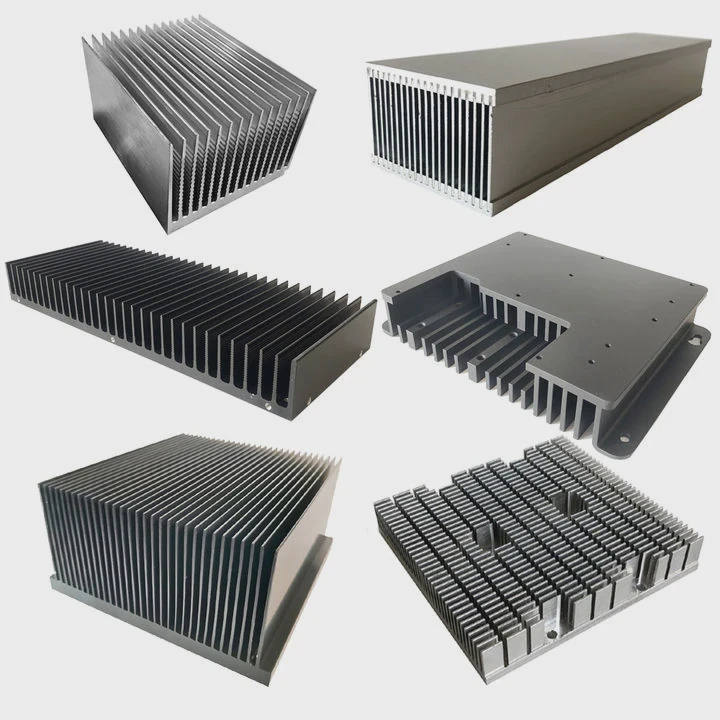
Different components produce different levels of heat. Understanding this helps in selecting the right cooling solution.
High-Power Semiconductors
These include:
- CPUs
- GPUs
- ASICs
They have high power density. Heat generation is intense.
Power Electronics
Power devices handle large currents and voltages.
Examples:
- MOSFETs
- IGBTs
- Rectifiers
They generate heat during switching and conduction.
Voltage Regulators
Linear regulators dissipate excess voltage as heat.
Switching regulators also generate heat, though less.
Heat sinks help maintain efficiency.
LED Systems
LEDs convert energy into light and heat.
Without cooling:
- Brightness decreases
- Lifespan shortens
Heat sinks are often integrated into LED housings.
Batteries and Energy Systems
Battery systems generate heat during operation.
Thermal management prevents:
- Overheating
- Safety risks
- Performance loss
Component Heat Comparison Table
| Component | Heat Level | Need for Heat Sink |
|---|---|---|
| CPU/GPU | Very high | Essential |
| MOSFET/IGBT | High | Essential |
| Voltage regulator | Medium | Recommended |
| LED | Medium | Necessary |
| Passive components | Low | Not required |
Practical Insight
In many real applications, standard heat sinks are not enough.
Custom solutions are often required for:
- High power density
- Limited space
- Complex systems
This is why many companies move toward integrated thermal modules.
Conclusion
Heat sinks play a critical role in electronics. They remove heat, protect components, and ensure stable performance. Proper design and placement are key to system reliability.