What are shipping options for heat sinks?
- Yongxing
- 08 Jul ,2026
Do air or sea freight suit heat sinks?
When heat sinks move across countries, the choice of transport changes cost, speed, and risk. The wrong choice can slow production and raise total project cost.
Heat sinks are often made of aluminum or copper. They are not very fragile, but they can be large, heavy, and sensitive to surface damage. This makes shipping method selection important.
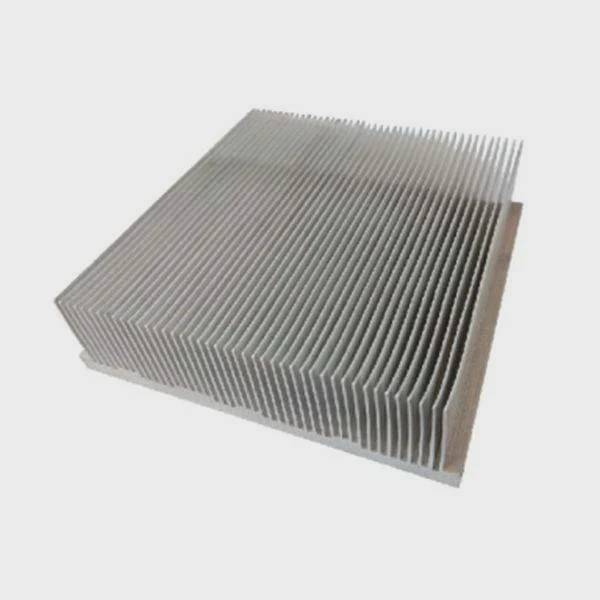
Sea freight and air freight both work for heat sinks, but each one fits a different situation. The decision depends on urgency, volume, and budget pressure.
Sea freight is often used for large batch orders. Air freight is used for urgent samples or small production runs.
Key comparison table
| Factor | Sea Freight | Air Freight |
|---|---|---|
| Speed | Slow (20-40 days) | Fast (3-7 days) |
| Cost | Low | High |
| Best for | Mass production | Samples, urgent orders |
| Risk of delay | Medium | Low |
| Volume efficiency | Very high | Low |
Transition into deeper view: the decision is not only about speed or cost. It also connects to production planning and supply chain timing.
Dive deeper understanding
Heat sinks are widely used in electronics, power systems, and thermal control modules. These products are often produced in batches. Because of that, shipping strategy becomes part of manufacturing planning, not just logistics.
Sea freight is usually selected when the production volume is high. A container can hold thousands of aluminum heat sinks. This reduces unit cost. The downside is long transit time. It can take several weeks from China to Europe or North America. This means production planning must start early. Inventory must also be stored at destination warehouses.
Air freight is used when speed is more important than cost. Engineering teams often need samples for testing. These samples must arrive fast. Air freight solves this problem. However, air cargo charges are based on weight and volume. Heat sinks often have irregular shapes. This increases volumetric weight, which increases cost.
Another factor is project stage. Early development uses air freight. Mass production uses sea freight. Some companies use a hybrid strategy. They send samples by air and bulk orders by sea.
In some cases, companies also consider customs clearance speed. Air freight usually clears faster. Sea freight may face port congestion.
A good logistics plan for heat sinks always matches product lifecycle stage. It avoids both delay and unnecessary cost.
Can express shipping reduce lead time?
Express shipping is often used when projects are under pressure. In thermal management projects, delays can affect entire system development schedules.
Express services include global carriers that move parcels and small freight quickly across countries. These services reduce handling time and improve tracking accuracy.
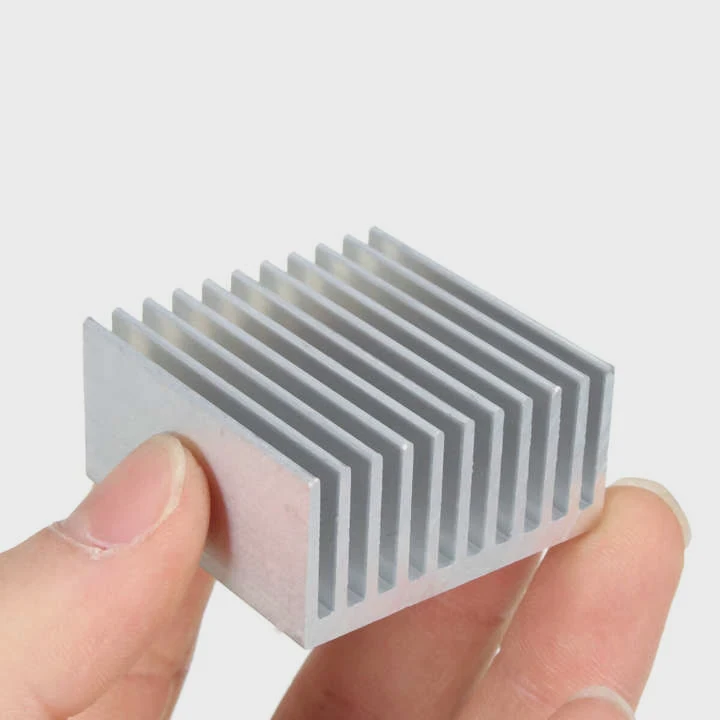
Express shipping is not only about speed. It also reduces uncertainty. Engineers often rely on exact delivery dates for testing schedules.
However, express shipping is not always the best choice for large heat sink orders. It works best for prototypes and urgent replacements.
Express shipping comparison table
| Service Type | Delivery Time | Weight Limit | Cost Level | Best Use Case |
|---|---|---|---|---|
| DHL Express | 3-5 days | Medium | High | Samples, urgent parts |
| FedEx Express | 3-6 days | Medium | High | Engineering prototypes |
| UPS Express | 3-5 days | Medium | High | Replacement parts |
| Economy Express | 5-10 days | Medium | Medium | Non-urgent samples |
Transition into deeper view: express shipping looks simple, but it affects engineering workflow and production decisions in many ways.
Dive deeper understanding
Express shipping plays a strong role in heat sink development cycles. In most electronics projects, the design process is not fixed. Engineers test, adjust, and retest thermal performance. Each cycle depends on how fast physical samples arrive.
When a company uses express shipping, the time between design update and physical testing becomes shorter. This improves product iteration speed. It also reduces waiting time for engineering teams.
However, express shipping has limits. Heat sinks can be bulky, especially when designed for high-power systems like EV chargers or industrial inverters. When size increases, express shipping becomes very expensive. The cost per kilogram increases quickly due to volumetric weight calculation.
Some companies use express shipping only for the first 1-3 rounds of samples. After design stabilization, they switch to air freight or sea freight.
Another important factor is customs speed. Express carriers usually handle customs clearance directly. This reduces delay risk. But incorrect documentation can still slow the process.
Express shipping also improves traceability. Engineers can track shipments in real time. This reduces uncertainty during product development.
In global projects, time zones also matter. Express shipping allows predictable delivery windows. This helps teams in different countries plan testing schedules more accurately.
Overall, express shipping is a tool for speed, not scale. It supports development, not mass production.
Are specialized packaging methods needed?
Heat sinks may look strong, but they still need proper packaging. The surface, fins, and thermal interfaces can be damaged during transport.
Packaging is not only about protection. It also affects shipping cost and product quality when it arrives.
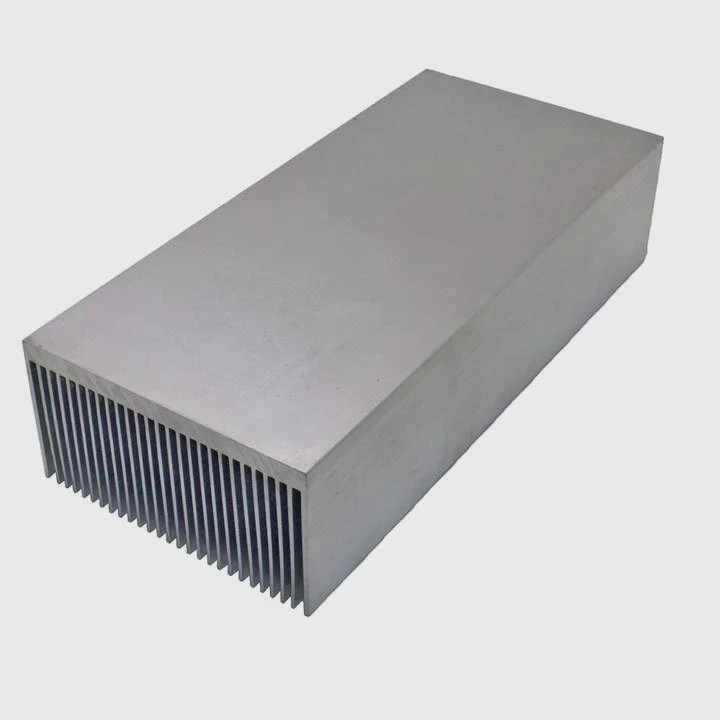
Different heat sink types require different packaging designs. For example, aluminum extrusion heat sinks need different protection than liquid cooling plates.
Packaging methods comparison table
| Packaging Type | Protection Level | Cost Impact | Best For |
|---|---|---|---|
| Foam + Carton | Medium | Low | Small heat sinks |
| EPE Foam + Box | High | Medium | Precision heat sinks |
| Wooden Crate | Very High | High | Large industrial heat sinks |
| Vacuum Packing | High | Medium | Anti-oxidation protection |
Transition into deeper view: packaging design connects directly to product performance, logistics safety, and final assembly quality.
Dive deeper understanding
Heat sinks have many thin fins. These fins can bend easily if pressure is applied during transport. Once bent, airflow performance may drop. This affects thermal efficiency in final applications.
Because of this, packaging must protect both shape and surface. Foam inserts are often used to fix the heat sink in place. This prevents movement inside the box during vibration.
For large heat sink assemblies, wooden crates are commonly used. They provide strong external protection. They also allow stacking during sea freight. However, they increase weight and cost.
Moisture protection is another key factor. Copper heat sinks can oxidize during long sea transport. To prevent this, vacuum sealing or anti-rust coating is used. Silica gel is also added inside packaging.
Some advanced packaging methods also include shock indicators. These indicators show if the package has been dropped or hit. This helps quality teams check transport damage.
Packaging design must also consider automation in warehouses. Standard box sizes reduce handling cost. Irregular shapes increase manual work.
In many cases, packaging is designed together with the heat sink structure. This reduces wasted space. It also improves container loading efficiency.
Good packaging reduces damage rate, lowers return cost, and improves customer trust. It is a hidden part of heat sink engineering.
How to calculate shipping costs?
Shipping cost calculation for heat sinks is not only based on weight. It includes volume, distance, method, and handling fees.
Many companies underestimate cost because they only look at product weight. In reality, volumetric weight is often more important.
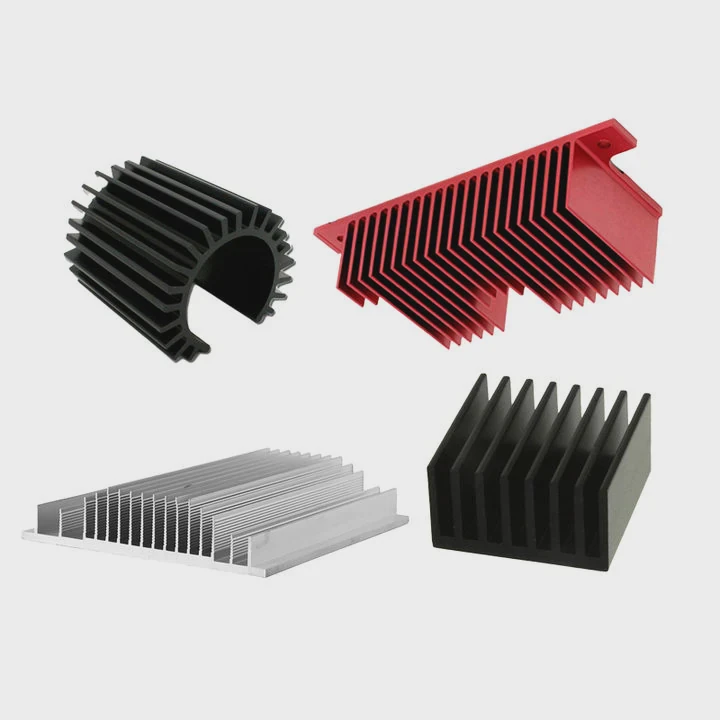
Heat sinks often have low density but large size. This increases volumetric weight in air and express shipping.
Shipping cost calculation factors table
| Factor | Description | Impact Level |
|---|---|---|
| Actual Weight | Physical weight of cargo | Medium |
| Volumetric Weight | Size-based weight calculation | High |
| Shipping Method | Air, sea, express | Very High |
| Distance | Origin to destination | High |
| Customs Fees | Import/export charges | Medium |
| Packaging Cost | Boxes, crates, protection | Medium |
Transition into deeper view: cost calculation is a system. It combines physics, logistics rules, and trade regulations.
Dive deeper understanding
Shipping cost calculation for heat sinks follows a multi-layer model. The first layer is actual weight. This is simple. It is measured in kilograms.
The second layer is volumetric weight. This is calculated using a formula:
Volumetric weight formula
For air and express shipping:
- Volumetric Weight (kg) = Length x Width x Height (cm) ÷ 5000
For sea freight:
- Cost is based more on CBM (cubic meters)
Example table
| Heat Sink Type | Size (cm) | Actual Weight | Volumetric Weight | Chargeable Weight |
|---|---|---|---|---|
| Small sample | 20x15x10 | 2 kg | 0.6 kg | 2 kg |
| Medium unit | 40x30x20 | 8 kg | 4.8 kg | 8 kg |
| Large assembly | 80x60x40 | 25 kg | 38.4 kg | 38.4 kg |
In many cases, volumetric weight becomes higher than actual weight. This is very common for aluminum heat sinks with large fin structures.
The third factor is shipping method. Air freight uses chargeable weight. Sea freight uses CBM. Express uses volumetric weight with higher divisor rules.
Customs fees also affect total cost. Different countries apply different tax rules. These fees are based on declared value and product category.
Packaging cost must also be included. Strong packaging increases safety but also increases size and weight.
A good cost calculation process always includes all four parts: weight, volume, shipping method, and customs.
Companies that understand this system can reduce cost by optimizing packaging design and selecting the right shipping method early.
Conclusion
Heat sink shipping depends on speed, cost, and protection needs. Air, sea, and express methods each fit different project stages. Good planning reduces cost and protects product quality.