What certifications are required for exporting heat sinks?
- Yongxing
- 08 Jul ,2026
Do ISO and RoHS apply internationally?
Exporting heat sinks into global markets always brings certification questions first. Many buyers do not start with price. They start with compliance. A missing certificate can stop a shipment at customs or block a project from approval.
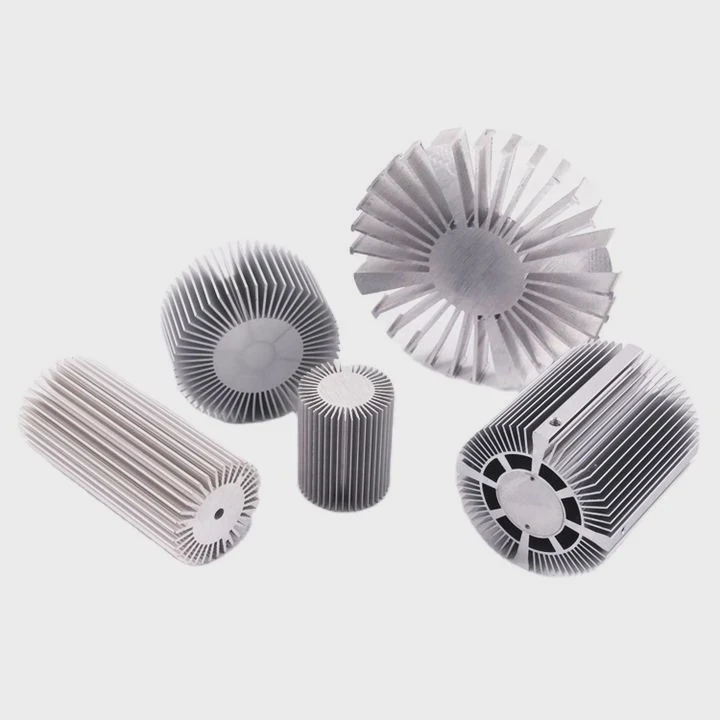
ISO and RoHS are two of the most common requirements in global heat sink supply chains. They are not exactly “export licenses,” but they are often treated as basic entry conditions in industrial procurement.
ISO standards focus on manufacturing system control. RoHS focuses on material safety, especially hazardous substances inside metal and electronic assemblies.
Certification comparison table
| Certification | Main Focus | Region Recognition | Mandatory? | Typical Use Case |
|---|---|---|---|---|
| ISO 9001 | Quality management system | Global | Not legally mandatory | Supplier qualification |
| ISO 14001 | Environmental management | Global | Not mandatory | Environmental compliance |
| RoHS | Hazardous substance restriction | EU + global influence | Mandatory in EU electronics | Electronics hardware export |
Transition into deeper view: these certifications are not just paperwork. They shape how heat sinks are designed, produced, and accepted in global supply chains.
Dive deeper understanding
ISO certification, especially ISO 9001, plays a major role in heat sink manufacturing. Buyers from Europe, the US, and Japan often use ISO status as a filter before technical evaluation. It proves that a factory has a stable process control system. It does not guarantee product performance, but it reduces risk in the buyer’s decision process.
RoHS is more directly linked to product material safety. Heat sinks are usually made of aluminum, copper, or composite materials. These metals must be tested to ensure they do not contain restricted substances like lead, mercury, cadmium, or certain flame retardants. Even though heat sinks are not always electronic components, they are often used inside electronic systems. That makes RoHS compliance important.
In many export cases, RoHS becomes a hidden requirement. A buyer may not mention it at first. But during compliance review, missing RoHS documentation can stop shipment approval. This is especially strict in the European Union.
Some misunderstand a key point. ISO and RoHS do not replace each other. ISO is about process control. RoHS is about material safety. Both are often required together.
In real supply chain practice, I often see buyers request ISO certificates during supplier selection. Then they request RoHS reports before shipment. Both stages must be satisfied to complete export smoothly.
Are CE or UL marks mandatory?
CE and UL marks are often misunderstood in heat sink export projects. Many assume they are always required. In reality, the requirement depends on product classification and end application.
Heat sinks themselves are passive components. They do not generate electricity. Because of this, CE and UL are not always legally required. However, they are often requested in system-level certification.
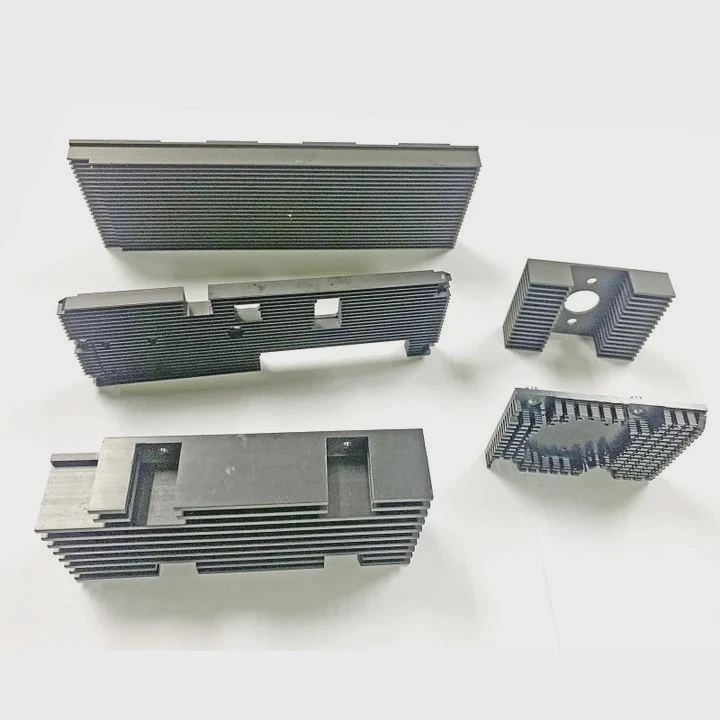
CE marking is mainly used in the European Economic Area. UL certification is mainly used in North America. Both are safety-related compliance systems, but they apply differently depending on how the heat sink is used.
CE vs UL overview table
| Standard | Region | Mandatory? | Applies to Heat Sinks? | Typical Requirement Level |
|---|---|---|---|---|
| CE Mark | Europe | Mandatory for covered products | Sometimes (system level) | Medium to High |
| UL Certification | USA/Canada | Not legally mandatory | Rare for standalone heat sinks | Medium |
| RoHS Link | Europe | Mandatory | Indirectly related | High |
Transition into deeper view: CE and UL are not just logos. They represent system-level safety expectations that affect product integration decisions.
Dive deeper understanding
CE marking is required for many electrical and electronic systems sold in Europe. Heat sinks are usually not CE-certified alone. However, they become part of CE compliance when installed inside systems like power converters, EV chargers, or industrial control units.
This creates an indirect requirement. Even if the heat sink is not tested separately, its materials, thermal performance, and mechanical safety must support the final CE-certified system. That means documentation still matters. Engineers often request technical files, thermal data, and material declarations.
UL certification works in a similar way but with different focus. UL standards emphasize fire safety, electrical safety, and material flammability. Heat sinks are typically evaluated as part of an assembly. For example, in power electronics, UL may review how the heat sink behaves under high temperature conditions.
One important reality is that system integrators often require “UL-recognized components.” Even if not mandatory by law, it becomes a commercial requirement.
In export practice, CE and UL act as market entry expectations rather than direct product certifications for heat sinks. A supplier without documentation may still produce good products, but many buyers will avoid the risk.
So the key point is simple. CE and UL are not always mandatory for heat sinks alone, but they are often required in the system where heat sinks are used.
How to verify supplier compliance?
Certification documents alone are not enough. In real procurement, verification matters more than claims. Many buyers face the same risk: a certificate looks correct, but the production system does not match it.
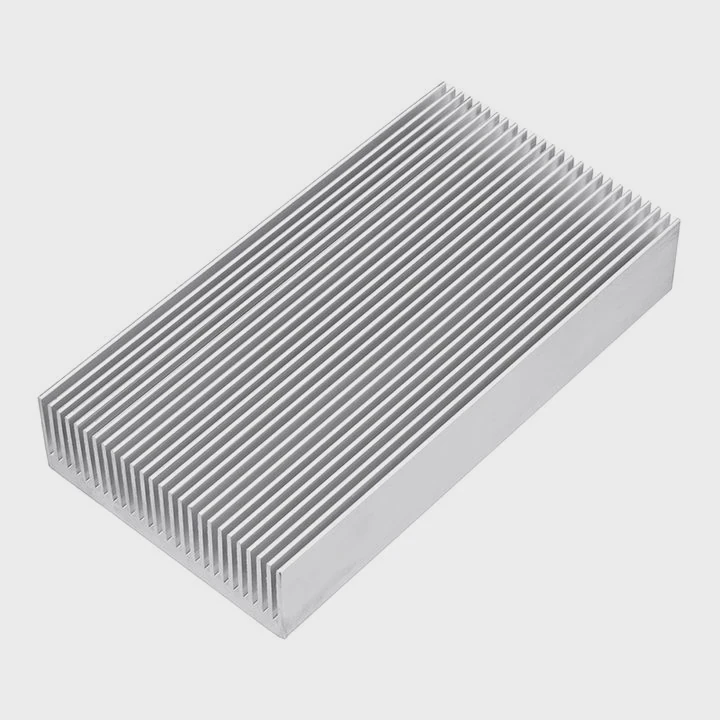
Heat sink suppliers must be checked from multiple angles. This includes documents, factory audits, and product testing results.
Supplier verification checklist table
| Verification Step | What to Check | Risk Level if Ignored | Recommended Method |
|---|---|---|---|
| Certificate validity | ISO, RoHS, UL, CE documents | High | Online database or issuing body check |
| Factory audit | Production capability | High | On-site or video audit |
| Test reports | Thermal, material, reliability data | High | Third-party lab verification |
| Sample testing | Real product performance | Medium | Internal lab testing |
| Traceability system | Batch tracking | Medium | Document review |
Transition into deeper view: verification is not a single action. It is a system that combines documents, engineering data, and real manufacturing behavior.
Dive deeper understanding
Supplier compliance verification is one of the most important steps in heat sink sourcing. A certificate only shows that a system exists. It does not guarantee that every product follows the system.
ISO certificates, for example, are issued based on audits. But audits happen at a specific time. After that, factory behavior may change. That is why buyers often request updated audit reports or conduct their own inspections.
RoHS compliance also needs verification beyond paper. Material test reports must be reviewed carefully. Some buyers request third-party lab testing to confirm that raw materials meet restrictions. This is especially important for copper alloys and coated aluminum parts.
Factory audits are another key step. In heat sink production, processes like extrusion, CNC machining, vacuum brazing, and surface treatment directly affect quality. A real audit checks whether equipment, operators, and process control systems are stable.
Sample testing is the final confirmation step. Engineers test thermal resistance, airflow behavior, and mechanical strength. Even small deviations can affect system performance in high-power applications.
Traceability is also becoming more important. Many industries now require batch-level tracking. If a failure happens, the supplier must identify the exact production batch.
In practice, strong suppliers pass all four layers: documents, audits, testing, and traceability. Weak suppliers usually only provide certificates without supporting data.
Can multiple certifications improve acceptance?
Many exporters assume that one certification is enough. In reality, global buyers often look for certification combinations. Multiple certifications increase trust and reduce risk perception.
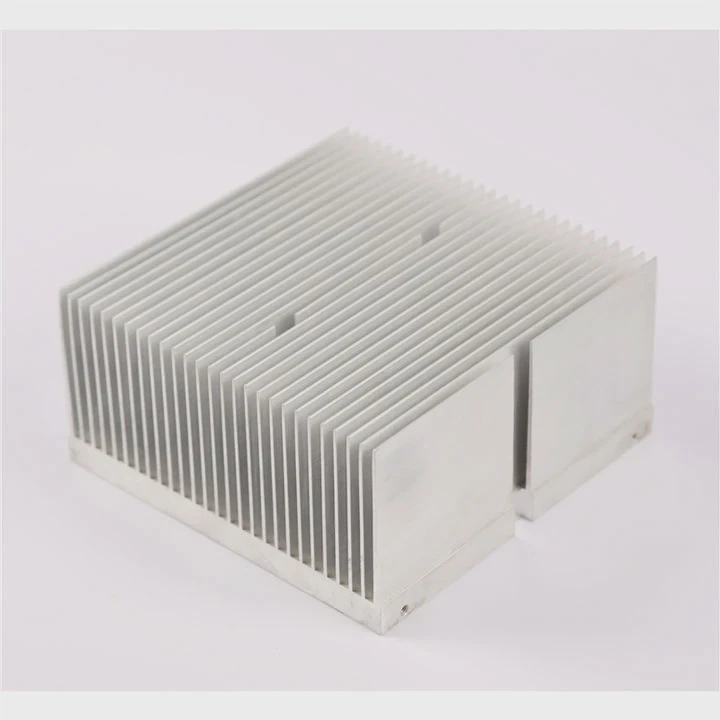
A single certificate may open the door. But multiple certifications make approval faster, especially in high-end industries like automotive, telecom, and aerospace.
Certification impact table
| Certification Combination | Buyer Confidence | Market Access | Typical Industry |
|---|---|---|---|
| ISO 9001 only | Medium | Limited | General industrial |
| ISO + RoHS | High | Broad | Electronics, consumer |
| ISO + RoHS + CE | Very High | Europe strong | Industrial systems |
| ISO + RoHS + UL | Very High | North America strong | Power electronics |
| Full combination | Maximum | Global | Aerospace, EV, medical |
Transition into deeper view: certification stacking is not just compliance. It is a business strategy that affects market access speed and customer trust.
Dive deeper understanding
Multiple certifications improve acceptance because they reduce uncertainty. In global supply chains, uncertainty is a cost. Buyers must reduce risk before approving a supplier. Certifications act as risk filters.
ISO certification shows that the supplier has stable processes. RoHS shows that materials are safe. CE or UL shows that system-level safety expectations are considered. When combined, they create a complete trust structure.
In high-power heat sink applications, such as EV power modules or industrial inverters, buyers often cannot risk unknown suppliers. Even if the product looks good, lack of certification slows down approval. Engineering teams may reject suppliers simply because documentation is incomplete.
Multiple certifications also reduce time in procurement cycles. Without certifications, buyers request extra tests. With certifications, they move directly to sample validation. This saves weeks or even months in project schedules.
However, certification stacking also has limits. It does not replace engineering evaluation. Thermal performance, structural design, and manufacturing consistency still matter more than documents.
A balanced approach works best. Certifications open the door. Engineering validation confirms performance. Both must work together.
In global heat sink trade, suppliers with multiple certifications are often selected first, even before price negotiation. This shows how certification strength directly affects market competitiveness.
Conclusion
Heat sink export requires more than production capability. ISO, RoHS, CE, and UL each play different roles in global acceptance. Strong certification systems improve trust, speed up approval, and reduce export risk in international markets.