What is the minimum thickness for custom heat sinks?
- Yongxing
- 09 Jul ,2026
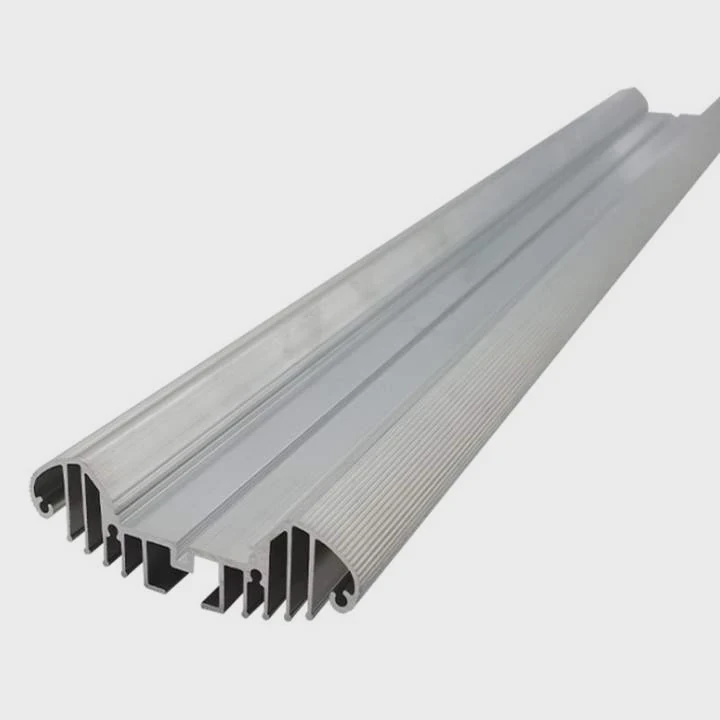
Thermal failure risks grow when electronics shrink. Heat builds fast. Space becomes tight. Designers face a hard limit when reducing heat sink thickness.
The minimum thickness of a custom heat sink depends on strength, heat flow needs, and manufacturing limits. It is usually not a single number but a balance between structure and thermal performance.
Many modern devices push this limit every year. Engineers often reduce thickness until performance or strength starts to fail. Then they adjust material or geometry.
Do thin designs affect structural strength?
Thin heat sink designs often look attractive in compact electronics. But mechanical strength becomes a real concern. When thickness drops, bending risk increases. Vibration resistance also becomes weaker. This is critical in transport, automotive, and industrial systems.
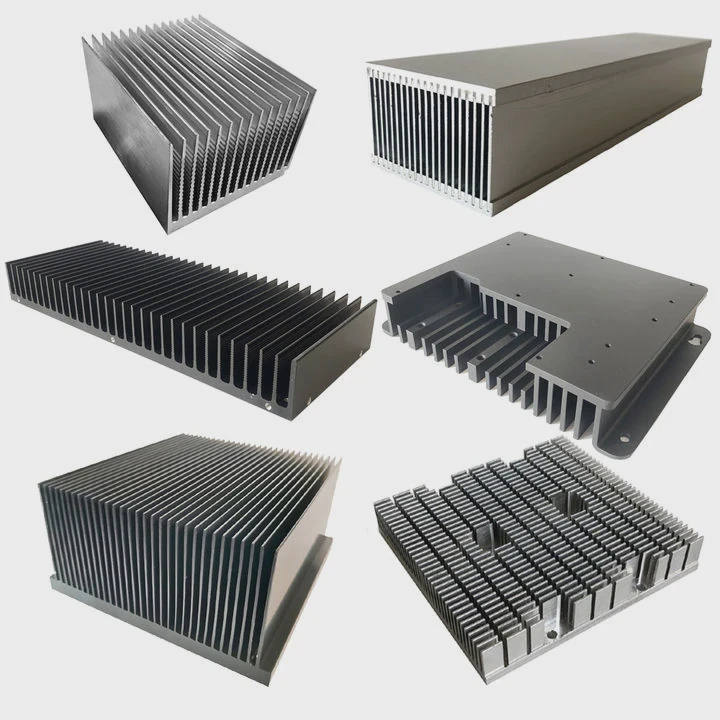
Thin fins or base plates may deform under thermal cycling. Expansion and contraction repeat many times. This creates stress inside the metal. Over time, cracks or warping can appear. The structure may also lose flatness, which reduces contact with heat sources.
Key structural risks of thin heat sinks
| Risk type | What happens in thin designs | Result in real systems |
|---|---|---|
| Bending deformation | Base plate flexes under load | Poor thermal contact |
| Vibration fatigue | Repeated stress from movement | Cracks in fins or joints |
| Thermal stress | Expansion mismatch inside metal | Warping or permanent deformation |
Thin heat sinks also face assembly challenges. Mounting pressure can become uneven. Screws or clamps may create local stress points. These points can damage the structure if the material is too thin.
Mechanical engineers often solve this problem by adding ribs or support frames. Some designs use folded fins or integrated base structures. These changes help maintain stiffness without increasing total weight too much.
Material choice also matters here, but structure design is still the main factor. Even strong materials can fail if geometry is too thin. So thickness is not only a thermal decision. It is also a mechanical safety decision that affects long-term reliability.
How does thickness impact thermal performance?
Heat transfer depends heavily on thickness. A heat sink must carry heat from the source to the air. If the base is too thin, heat spreads unevenly. This creates hot spots near the source.
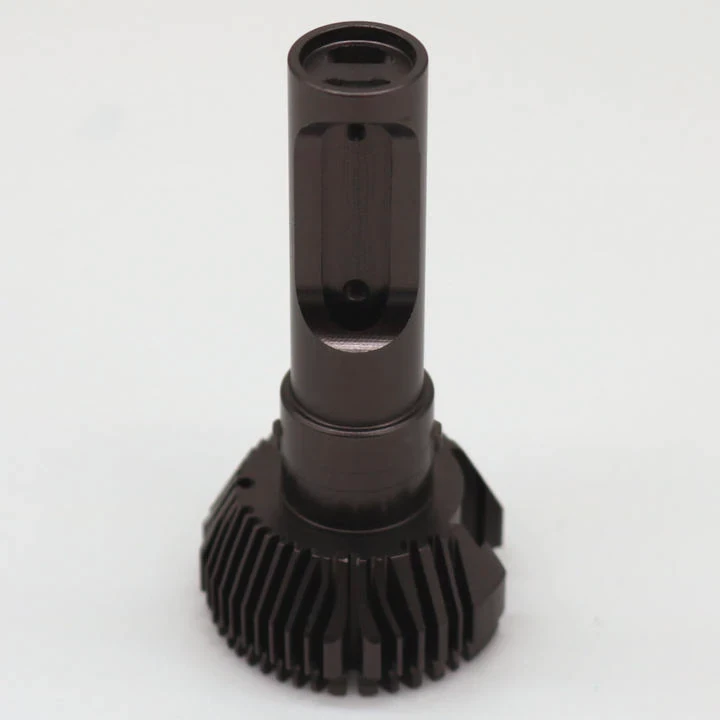
A thicker base usually helps distribute heat more evenly. It allows lateral heat spreading before dissipation. But too much thickness can increase thermal resistance. Heat may struggle to move to the surface.
So thickness works like a balance point. It affects both conduction and convection paths.
Thermal behavior comparison
| Thickness level | Heat spreading ability | Surface cooling efficiency | Risk level |
|---|---|---|---|
| Very thin | Low | High local cooling | High hot spots |
| Medium | Balanced | Stable performance | Low risk |
| Thick | High spread | Slower surface response | Moderate risk |
In real designs, engineers often optimize base thickness first. Fins are then designed separately. This is because the base controls heat distribution, while fins control air cooling.
A thin base may reduce weight and material cost. But it can cause uneven temperature gradients. This reduces efficiency in high-power systems like power electronics or LED drivers.
Thermal interface materials also play a role. If contact resistance is high, thickness cannot solve the problem alone. Good contact sometimes allows slightly thinner designs without performance loss.
In advanced systems, simulation tools are used to test thickness options. These tools help predict temperature fields before manufacturing. This reduces trial and error.
Are microfabrication methods required?
Ultra-thin heat sinks often require advanced manufacturing methods. Traditional machining has limits. When thickness goes below a certain range, standard cutting or extrusion becomes unstable.
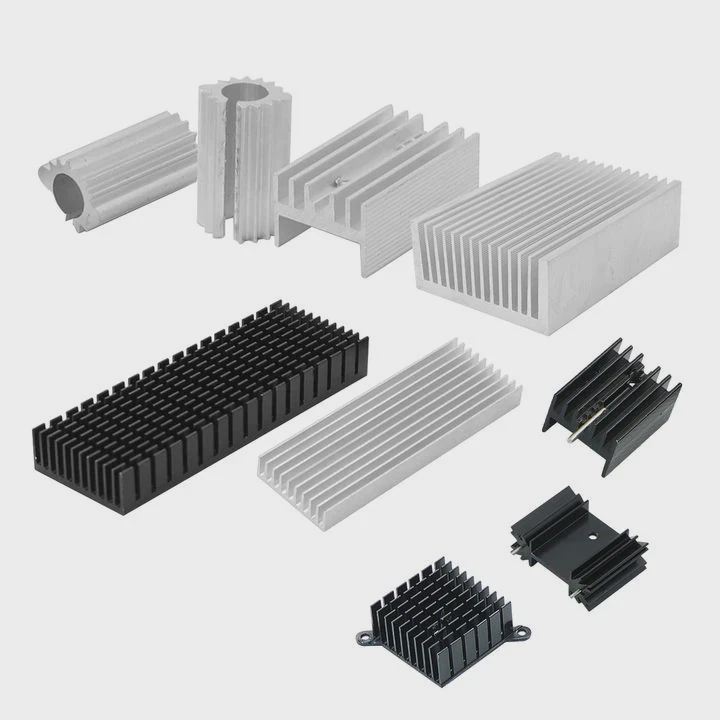
Microfabrication helps produce precise small features. It also improves repeatability in thin structures. Methods like chemical etching, laser processing, and additive manufacturing are commonly used.
Manufacturing method comparison
| Method | Minimum achievable thickness | Precision level | Cost impact |
|---|---|---|---|
| CNC machining | Medium | High | Medium |
| Aluminum extrusion | Medium-high | Medium | Low |
| Chemical etching | Low | High | Medium-high |
| Additive printing | Very low | Medium-high | High |
Microfabrication is not always required. It depends on the application. Consumer electronics may not need extreme precision. But aerospace or medical systems often require it.
Thin fins below a few millimeters often need etching or bonding methods. Extrusion cannot hold such fine structures reliably. Laser cutting can also help shape complex patterns without adding stress.
Another issue is surface quality. Thin heat sinks need smooth surfaces for better airflow. Rough edges increase turbulence and reduce efficiency. Micro-level processes help improve surface finish.
However, these methods increase cost. They also require stricter quality control. So engineers only choose them when performance demands are high.
Can material selection enable thinner heat sinks?
Material choice has a strong impact on how thin a heat sink can be designed. High thermal conductivity materials allow faster heat spread. This reduces the need for thick bases.
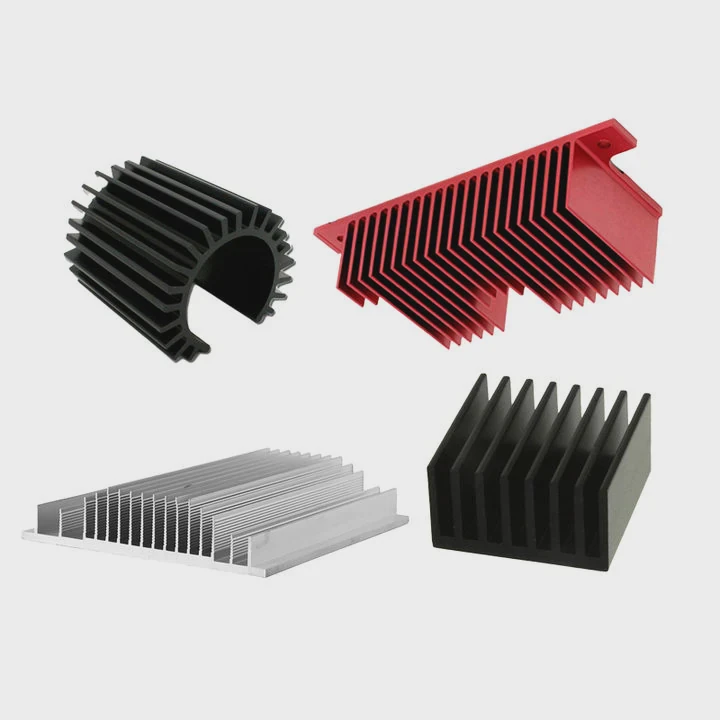
Aluminum is widely used because it balances cost, weight, and conductivity. Copper has higher conductivity but is heavier and more expensive. Composite materials are also used in advanced systems.
Material properties comparison
| Material | Thermal conductivity | Weight | Cost level | Suitability for thin design |
|---|---|---|---|---|
| Aluminum | Medium-high | Low | Low | High |
| Copper | Very high | High | High | Medium |
| Graphite-based | High | Very low | High | High |
High conductivity materials reduce temperature gradients. This means heat spreads faster even in thinner structures. So designers can reduce thickness without creating hot spots.
However, material strength also matters. Soft materials may deform under load if too thin. So alloy selection becomes important. Heat-treated aluminum alloys often improve both strength and thermal stability.
In some advanced designs, composite layers are used. A copper base may be combined with aluminum fins. This creates a balance between spreading and dissipation.
Surface coating also plays a role. Coatings can improve emissivity and corrosion resistance. This indirectly supports thinner designs by improving heat rejection.
Material selection alone cannot fully replace thickness. But it expands the safe design range. When combined with good structure design and manufacturing, it allows more compact heat sink solutions.
Conclusion
Minimum heat sink thickness depends on strength, heat flow, and manufacturing limits. It is always a balance between structure safety and thermal efficiency. Good design adjusts all three together.