What is the difference between active and passive heat sinks?
- Yongxing
- 13 Apr ,2026
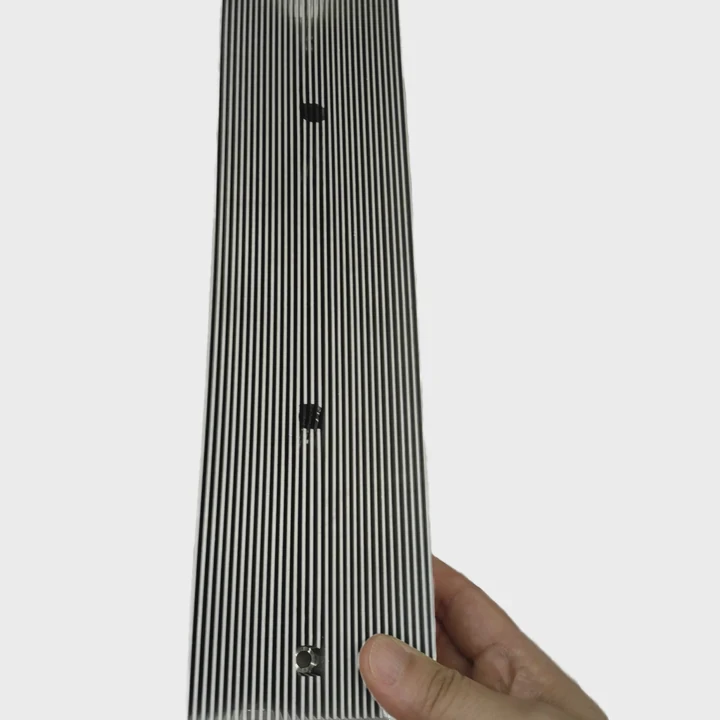
Hot components fail. Overheating kills performance and lifespan. Many engineers struggle to choose the right cooling method. This confusion leads to poor system design and costly failures.
Active heat sinks use forced airflow or liquid to remove heat faster, while passive heat sinks rely on natural convection and radiation. The key difference is speed, complexity, and efficiency under high thermal loads.
Understanding this difference is not just theory. It directly affects system stability, cost, and long-term reliability. Let’s break it down step by step.
How do cooling methods differ between types?
Hot chips create a problem. Heat builds up fast. If it is not removed quickly, performance drops. In some cases, devices shut down or fail.
Active cooling uses external energy like fans or pumps to move heat away quickly. Passive cooling relies on natural airflow and material conductivity without extra power.
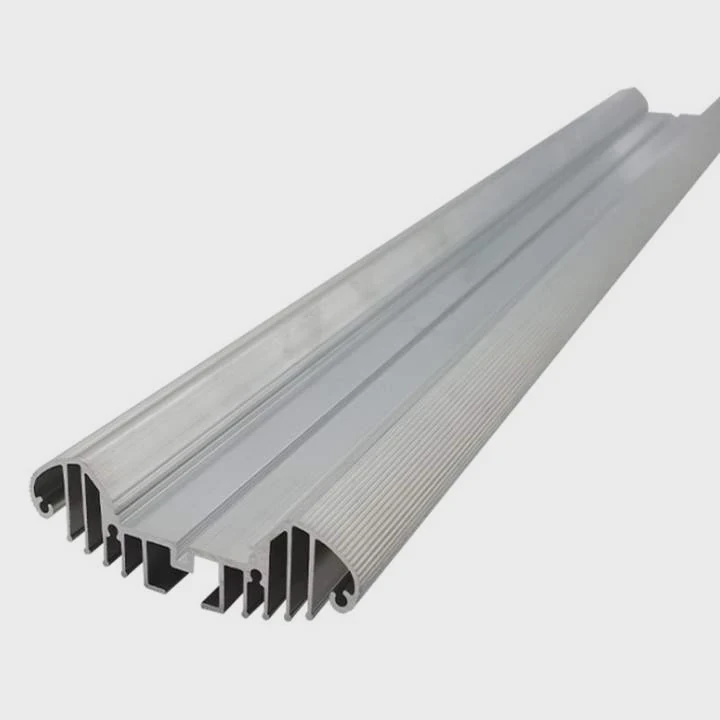
Core Cooling Mechanisms
The main difference starts with how heat moves:
| Type | Cooling Method | Energy Use | Speed |
|---|---|---|---|
| Active Heat Sink | Forced convection (fan/liquid) | Yes | Fast |
| Passive Heat Sink | Natural convection + radiation | No | Slow |
Active systems push air or liquid across the heat sink. This increases heat transfer rate. Passive systems depend on ambient air movement.
Heat Transfer Behavior
In real applications, heat transfer follows three modes:
- Conduction (inside the material)
- Convection (air or liquid movement)
- Radiation (heat emission)
Active heat sinks enhance convection. Passive ones rely mostly on conduction and natural convection.
Structural Differences
Active heat sinks include:
- Fans or blowers
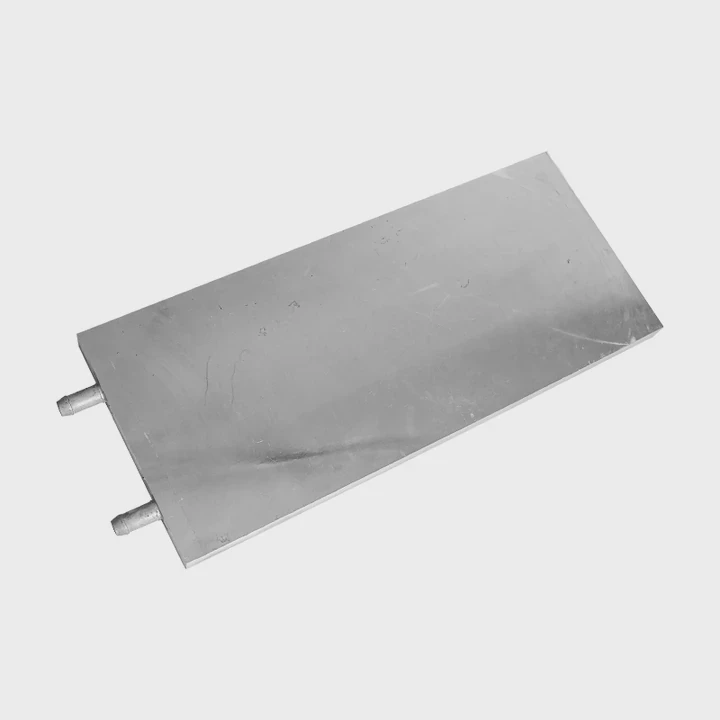
- Liquid cooling plates
- Heat pipes with forced airflow
Passive heat sinks include:
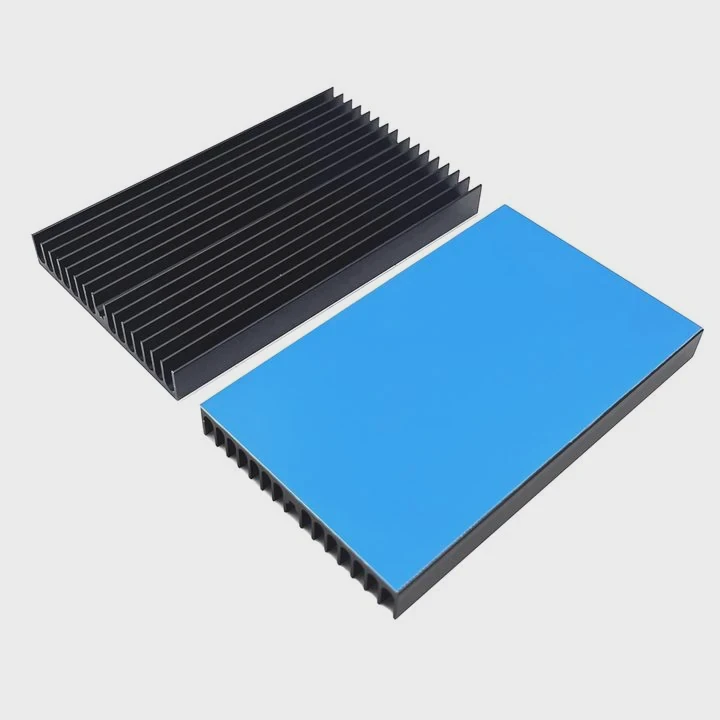
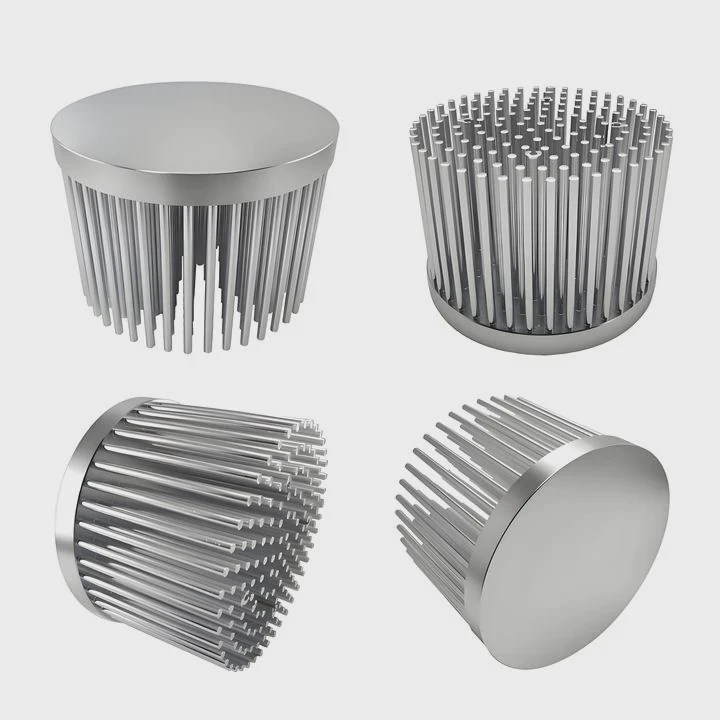
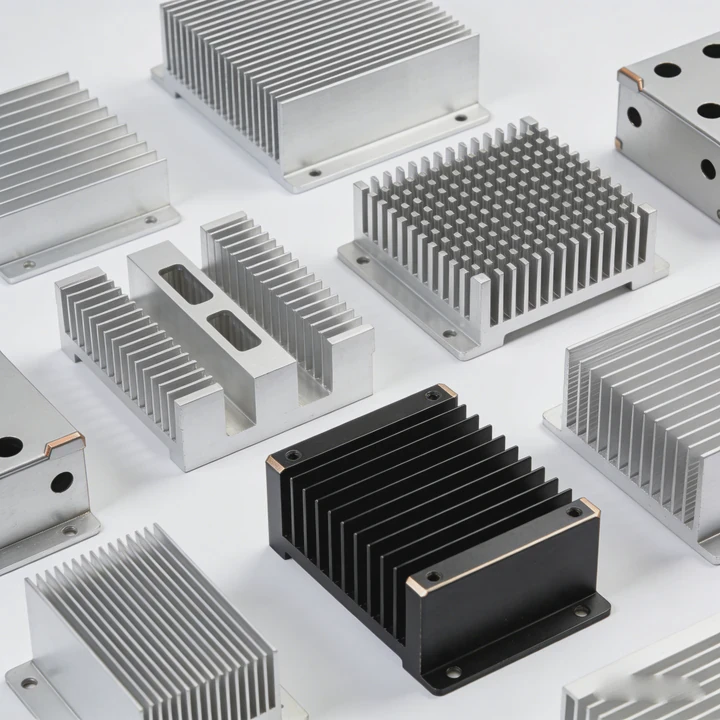
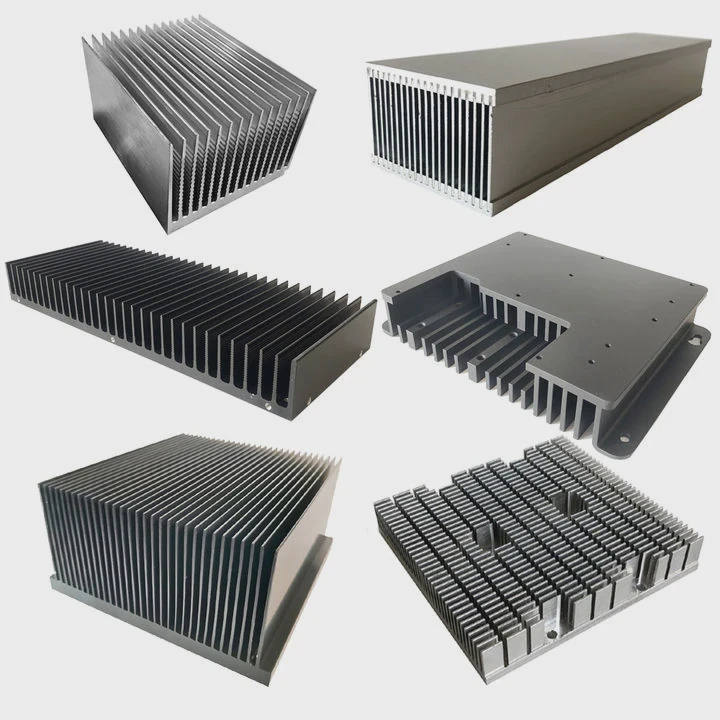
- Aluminum fins
- Copper blocks
- Extruded or bonded fin structures
The structure of passive heat sinks is usually larger. This compensates for lower airflow.
Real-World Impact
From experience in thermal projects, passive heat sinks often look simple. But they require precise design. Fin spacing, height, and orientation matter a lot.
Active heat sinks are easier to scale for high power. You just increase airflow or add stronger fans.
But there is a trade-off. Active systems add noise, power consumption, and failure points.
Why choose active over passive heat sinks?
Many systems run into a wall. Passive cooling stops working when power density rises. Heat builds faster than it can escape.
Active heat sinks are chosen when heat loads are high, space is limited, or stable temperature control is required under dynamic conditions.
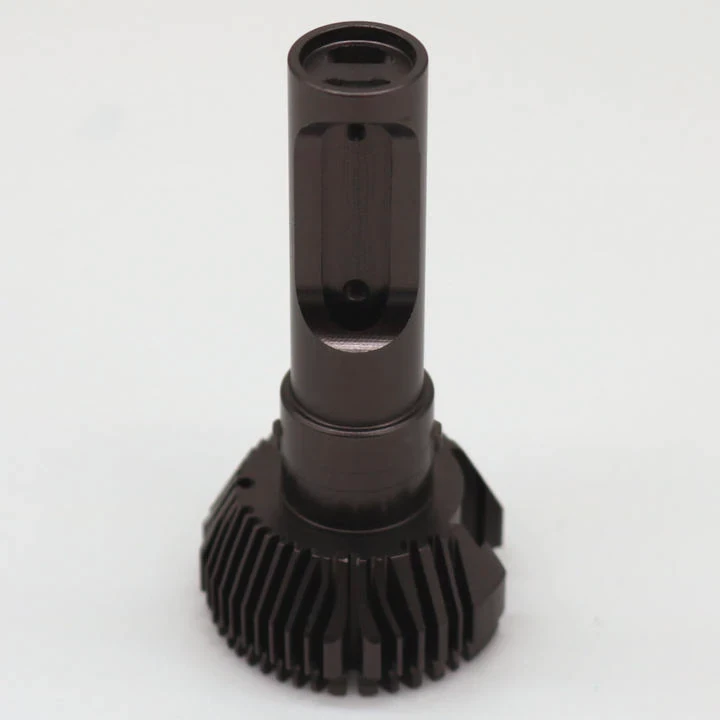
When Passive Cooling Fails
Passive heat sinks struggle in these cases:
- High power electronics (above 100W+)
- Compact enclosures
- Poor airflow environments
- High ambient temperatures
In these conditions, natural convection is too weak.
Advantages of Active Cooling
Active systems solve these issues:
| Advantage | Explanation |
|---|---|
| High efficiency | Faster heat removal |
| Compact design | Smaller heat sink size needed |
| Stable performance | Works under varying loads |
| Better control | Fan speed can be adjusted |
Engineering Perspective
In many projects, switching from passive to active cooling reduces thermal resistance significantly.
For example:
- Passive system: 1.5–2.0 °C/W
- Active system: 0.3–0.8 °C/W
This difference is huge. It directly affects chip junction temperature.
Trade-Offs to Consider
Active cooling is not perfect:
- Requires power
- Generates noise
- Needs maintenance
- Risk of fan failure
In critical systems, redundancy is often added.
Practical Insight
In one project, a passive heat sink failed to keep a power module under 85°C. After switching to an active design with forced airflow, temperature dropped to 65°C. The improvement was immediate.
This is why active cooling dominates in high-performance systems.
Where is each type more suitable?
Choosing the wrong type leads to problems. Overdesign wastes cost. Underdesign risks failure.
Passive heat sinks suit low-power, silent, and maintenance-free systems, while active heat sinks fit high-power, compact, and performance-driven applications.
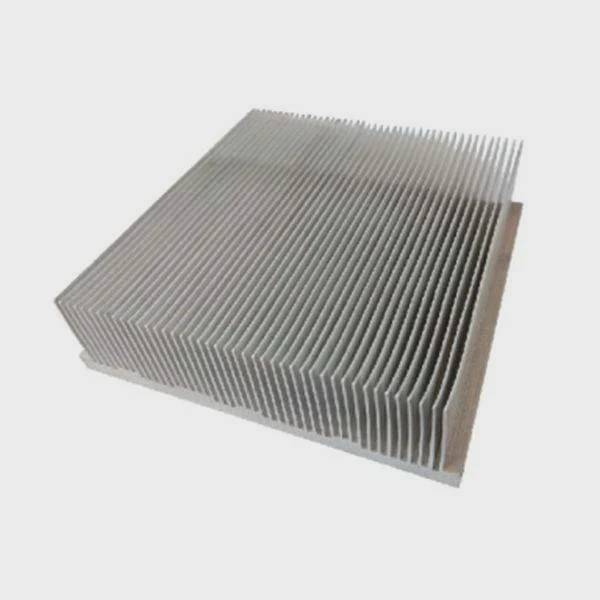
Passive Heat Sink Applications
Passive designs are ideal for:
- LED lighting systems
- Outdoor electronics
- Industrial control units
- Low-power communication devices
These systems value reliability and zero maintenance.
Active Heat Sink Applications
Active cooling is used in:
- CPUs and GPUs
- Power electronics
- Electric vehicles
- Data centers
- 5G communication equipment
These systems generate high heat density.
Environmental Considerations
Passive systems work best in:
- Open environments
- Vertical airflow setups
- Dust-sensitive areas
Active systems are better for:
- Enclosed spaces
- High ambient temperatures
- Forced airflow systems
Design Constraints
Key constraints include:
- Space availability
- Noise limits
- Power budget
- Maintenance access
Comparative Table
| Scenario | Recommended Type |
|---|---|
| Silent operation needed | Passive |
| High heat density | Active |
| Limited space | Active |
| Harsh environment | Passive |
| Cost-sensitive projects | Passive |
| Performance-critical system | Active |
Field Experience Insight
Many engineers start with passive cooling. Then they upgrade to active after testing.
This approach saves time but increases redesign cost.
A better method is early thermal simulation. It helps avoid wrong decisions.
Which factors determine the best option?
Many decisions fail because engineers focus only on heat load. That is not enough. Cooling choice depends on multiple factors.
The best heat sink depends on heat load, space, airflow conditions, reliability needs, and system cost. A balanced evaluation ensures optimal performance.
Key Decision Factors
1. Heat Load
This is the starting point.
- Low (<50W): Passive possible
- Medium (50–150W): Depends on airflow
- High (>150W): Active recommended
2. Thermal Resistance Target
Each system has a max allowable temperature.
Lower thermal resistance requires active cooling.
3. Space Constraints
Limited space pushes toward active solutions.
Passive heat sinks need larger surface area.
4. Airflow Availability
If natural airflow is weak, passive cooling fails.
Active systems create their own airflow.
5. Reliability Requirements
Passive systems:
- No moving parts
- Longer lifespan
Active systems:
- Require maintenance
- Risk of mechanical failure
6. Cost Considerations
| Factor | Passive | Active |
|---|---|---|
| Initial cost | Low | Medium |
| Operating cost | None | Higher |
| Maintenance cost | None | Present |
System-Level Thinking
Cooling is not just a component choice. It is part of the full system.
For example:
- Adding a fan affects power supply design
- Noise affects user experience
- Dust affects long-term performance
Design Strategy
A practical approach includes:
- Estimate heat load
- Define temperature limits
- Analyze environment
- Evaluate space
- Compare cost vs performance
Real Engineering Balance
In many real cases, hybrid solutions are used:
- Passive heat sink + low-speed fan
- Heat pipe + natural convection
- Liquid plate + airflow backup
This gives both reliability and performance.
Conclusion
Active and passive heat sinks differ in speed, complexity, and application. The right choice depends on heat load, space, and reliability needs. Smart thermal design balances performance, cost, and long-term stability.