What Is the Difference Between Heat Sink and Heat Exchanger?
- Yongxing
- 14 Apr ,2026
Heat problems often damage devices or reduce performance. Many engineers feel confused when choosing cooling solutions. This confusion leads to wrong design choices and costly fixes.
A heat sink removes heat from a single component, while a heat exchanger transfers heat between two fluids or systems. Both manage heat, but their structure, function, and applications are very different.
Understanding this difference helps avoid design mistakes. It also improves system efficiency and reliability. So it is worth breaking this topic down step by step.
How do heat sinks and exchangers compare?
Heat control can fail when the wrong device is used. Many people think these two are the same. That mistake can reduce performance or even damage systems.
Heat sinks and heat exchangers differ in structure, working method, and complexity. Heat sinks rely on passive heat dissipation, while heat exchangers use fluid movement to transfer heat between mediums.
When comparing both devices, the first thing to look at is their core design logic.
Structural Differences
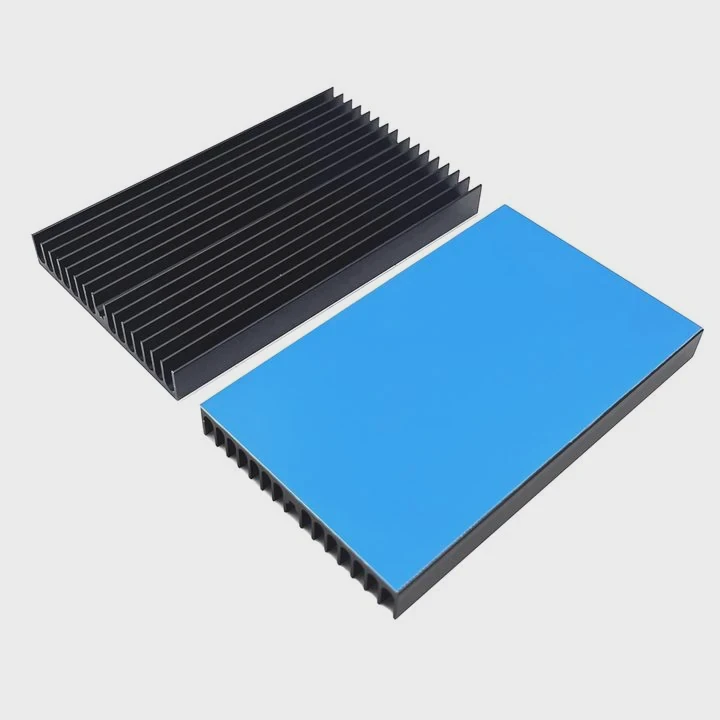
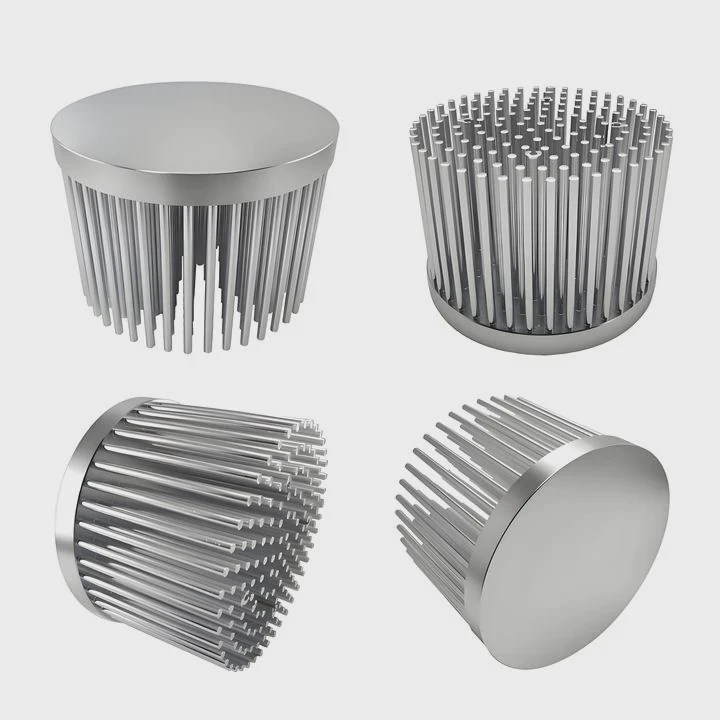
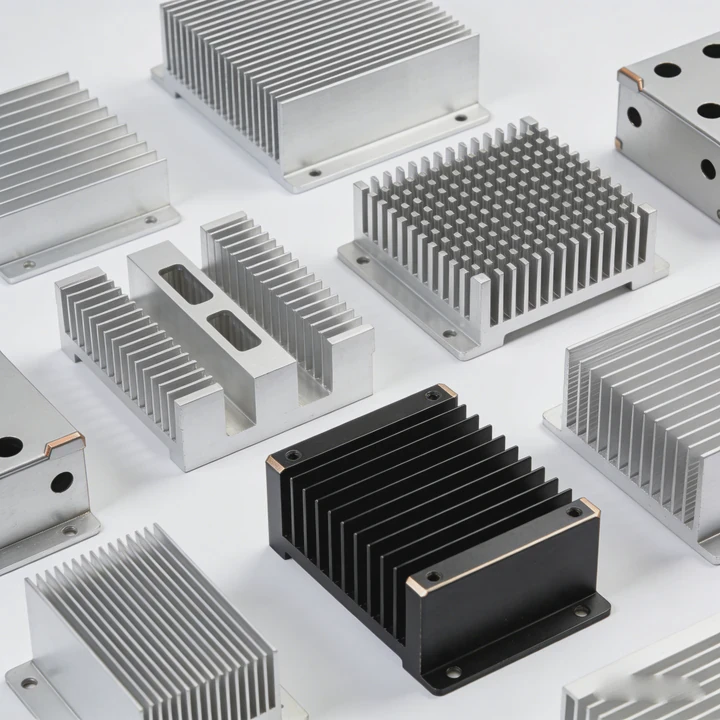
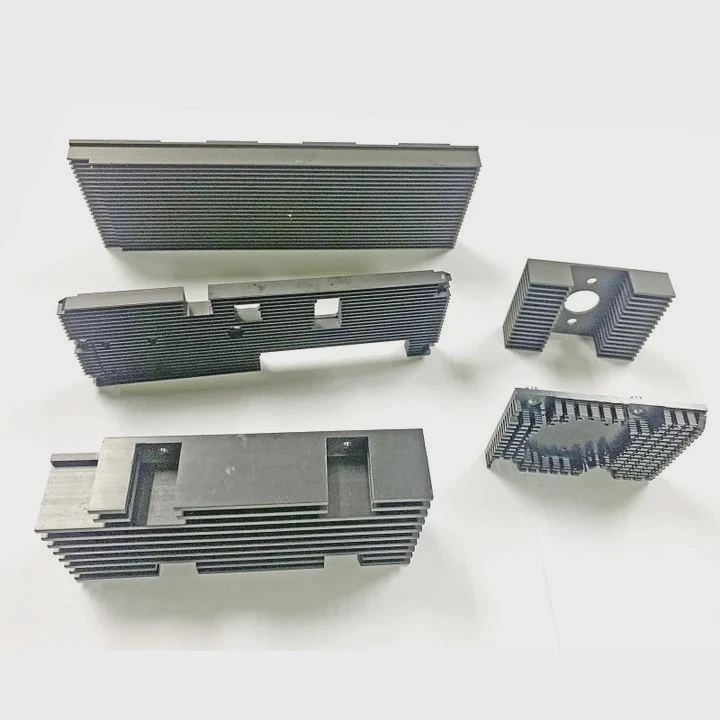
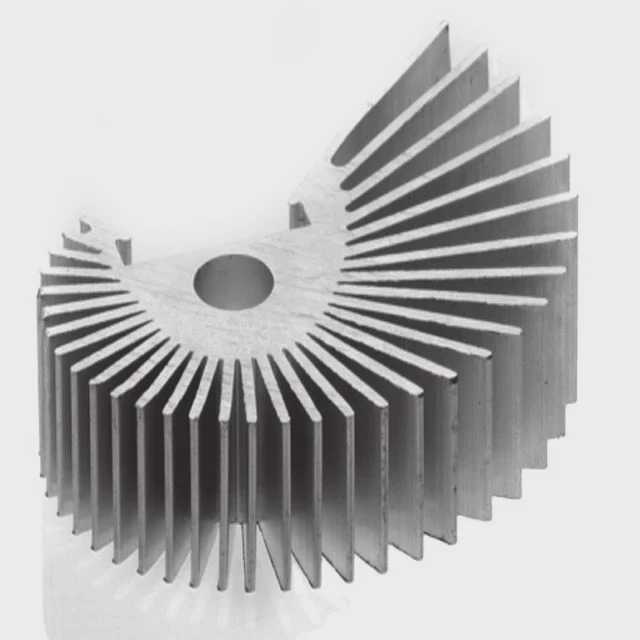
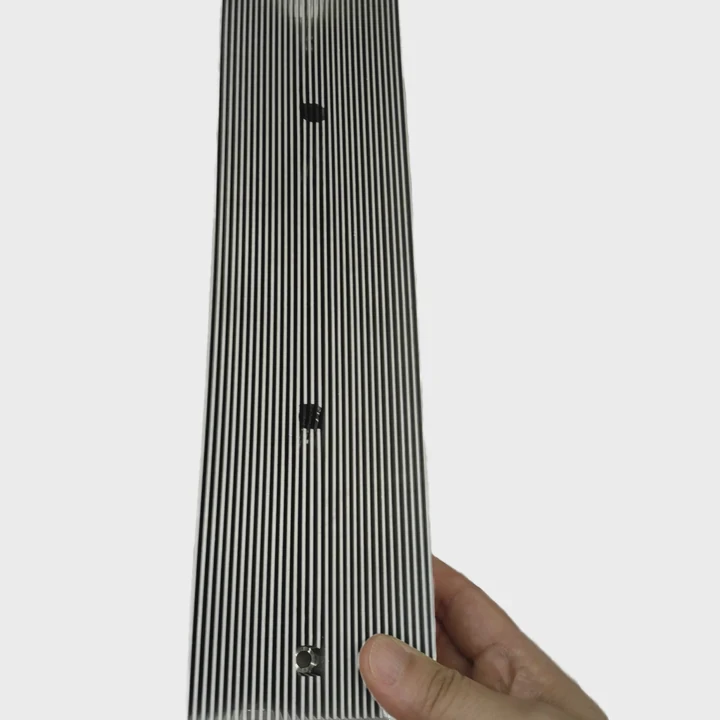
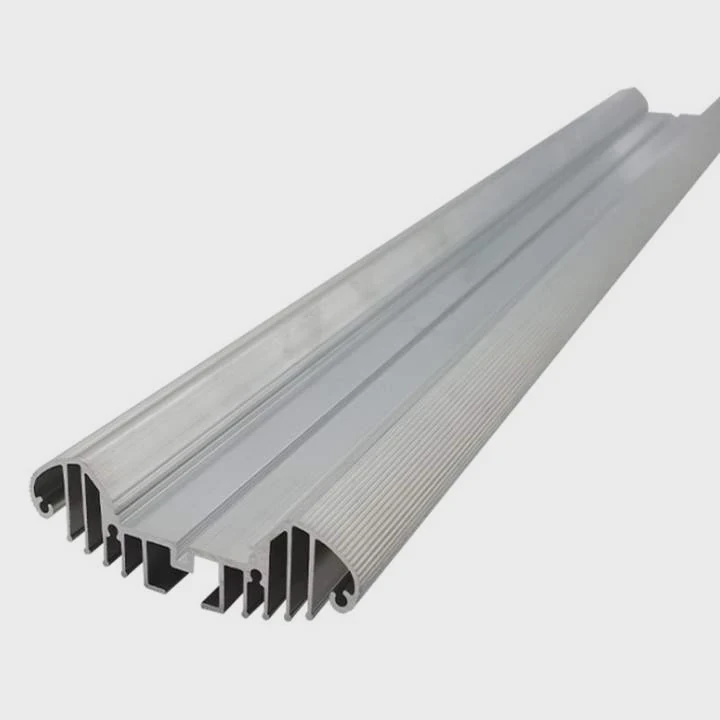
Heat sinks are simple. They are usually made of aluminum or copper. They have fins to increase surface area. This design allows heat to spread into the air.
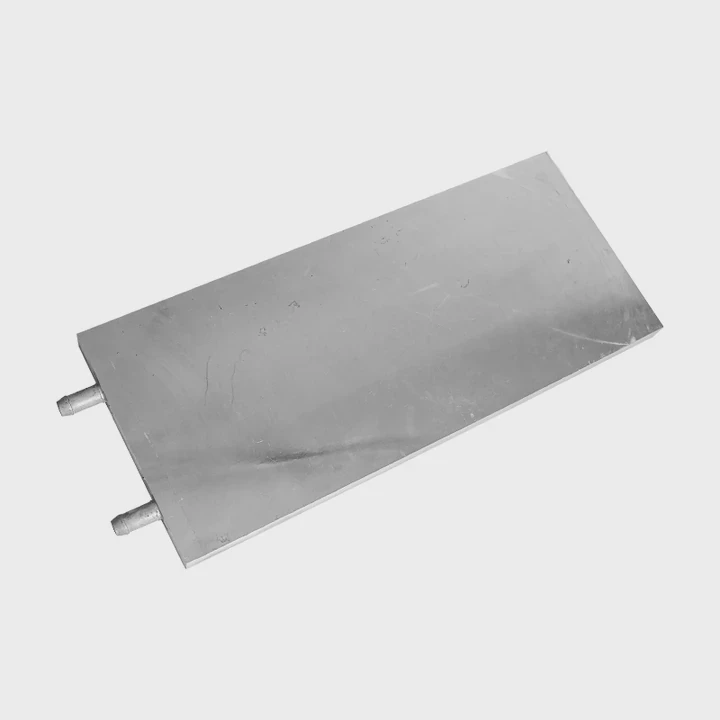
Heat exchangers are more complex. They include channels, tubes, or plates. These structures allow fluids to flow inside. Heat transfers between fluids without mixing them.
| Feature | Heat Sink | Heat Exchanger |
|---|---|---|
| Structure | Solid metal with fins | Tubes, plates, or channels |
| Complexity | Low | High |
| Components | Passive | Often includes pumps or fans |
Working Principle
Heat sinks work by conduction and convection. Heat moves from the device into the sink. Then air carries it away.
Heat exchangers rely on fluid flow. One fluid carries heat. Another fluid absorbs or removes it. This makes them more efficient in high-power systems.
Cooling Capacity
Heat sinks are suitable for low to medium heat loads. They work well in electronics.
Heat exchangers handle high heat loads. They are used in industrial or large systems.
Design Flexibility
Heat sinks are easy to design and produce. Standard shapes are common.
Heat exchangers often require custom design. Engineers must consider flow rate, pressure, and temperature.
In many projects, I have seen engineers choose heat sinks for systems that needed liquid cooling. That choice caused overheating. So understanding these differences is critical before design begins.
Why are their functions different?
Many people assume both devices serve the same purpose. But their functions differ because of how heat moves in each system.
Heat sinks dissipate heat into the surrounding air, while heat exchangers transfer heat between two separate media, usually fluids, without mixing them.
The reason behind this difference lies in heat transfer methods.
Heat Transfer Modes
There are three main heat transfer modes:
- Conduction
- Convection
- Radiation
Heat sinks mainly use conduction and natural or forced convection.
Heat exchangers use conduction and forced convection between fluids.
Role of Medium
Heat sinks use air as the cooling medium. Air has low thermal capacity. So cooling is limited.
Heat exchangers use liquids or gases. Liquids like water or coolant have much higher heat capacity. This allows faster heat transfer.
Energy Flow Direction
Heat sinks move heat in one direction:
- From component → air
Heat exchangers transfer heat between two systems:
- Hot fluid → cold fluid
System Integration
Heat sinks are attached directly to components like CPUs or power modules.
Heat exchangers are part of a larger system. They connect with pumps, pipes, and control systems.
Functional Complexity
| Aspect | Heat Sink | Heat Exchanger |
|---|---|---|
| Function Type | Heat dissipation | Heat transfer between systems |
| Medium | Air | Liquid or gas |
| System Role | Local cooling | System-level thermal management |
From real experience, many high-power devices fail when relying only on air cooling. Once heat density increases, only a heat exchanger can handle the load. That is why their functions must stay different.
Where is each device typically used?
Choosing the wrong cooling device can limit performance. It can also shorten product life. So application scenarios matter a lot.
Heat sinks are commonly used in electronics and small devices, while heat exchangers are used in industrial systems, vehicles, and energy applications where high heat transfer is required.
Let’s break down where each one fits best.
Heat Sink Applications
Heat sinks are widely used in compact systems. These systems generate moderate heat.
Common examples include:
- CPUs and GPUs
- LED lighting systems
- Power electronics
- Consumer electronics
These applications benefit from:
- Simple structure
- Low cost
- Easy installation
Heat Exchanger Applications
Heat exchangers are used in systems with high heat loads.
Typical industries include:
- Automotive (radiators, battery cooling)
- Energy systems (power plants)
- HVAC systems
- Industrial machinery
- Renewable energy systems
These systems need:
- High efficiency
- Continuous operation
- Stable thermal control
Environmental Conditions
Heat sinks work well in open-air environments. They depend on airflow.
Heat exchangers work in controlled systems. They often require pumps and sealed loops.
Space and Design Limits
Heat sinks are compact and lightweight.
Heat exchangers can be large and heavy. They need more space and infrastructure.
In one project involving energy storage systems, air cooling was first considered. But thermal simulation showed uneven heat distribution. A liquid cooling heat exchanger solved the issue. That change improved system stability significantly.
Which applications need heat exchangers instead?
Some systems cannot rely on heat sinks. Using them would lead to failure or poor performance.
Applications with high heat density, continuous operation, or strict temperature control require heat exchangers instead of heat sinks.
Let’s identify these cases clearly.
High Power Density Systems
When power density increases, heat generation rises quickly.
Examples:
- Electric vehicle battery packs
- High-power inverters
- Laser equipment
Heat sinks cannot remove heat fast enough. Heat exchangers are required.
Continuous Operation Systems
Systems that run non-stop generate constant heat.
Examples:
- Data centers
- Industrial automation systems
- Power generation equipment
Heat exchangers provide stable long-term cooling.
Precision Temperature Control
Some systems need very stable temperatures.
Examples:
- Medical devices
- Semiconductor manufacturing
- Aerospace electronics
Heat exchangers allow precise thermal control through fluid regulation.
Closed System Requirements
In sealed systems, air cooling is limited.
Liquid cooling with heat exchangers becomes necessary.
Comparison of Application Needs
| Requirement | Heat Sink Suitable | Heat Exchanger Required |
|---|---|---|
| Low heat load | Yes | No |
| High heat density | No | Yes |
| Continuous operation | Limited | Yes |
| Precise temperature control | No | Yes |
| Compact electronics | Yes | No |
From many real cases, switching from heat sink to heat exchanger often solves overheating issues instantly. But it also increases system complexity. So the decision must balance performance and cost.
Conclusion
Heat sinks and heat exchangers serve different roles. One removes heat to air, while the other transfers heat between systems. Choosing the right one depends on heat load, environment, and system design.