What Warranty Policies Apply to Heat Sinks?
- Yongxing
- 26 Jun ,2026
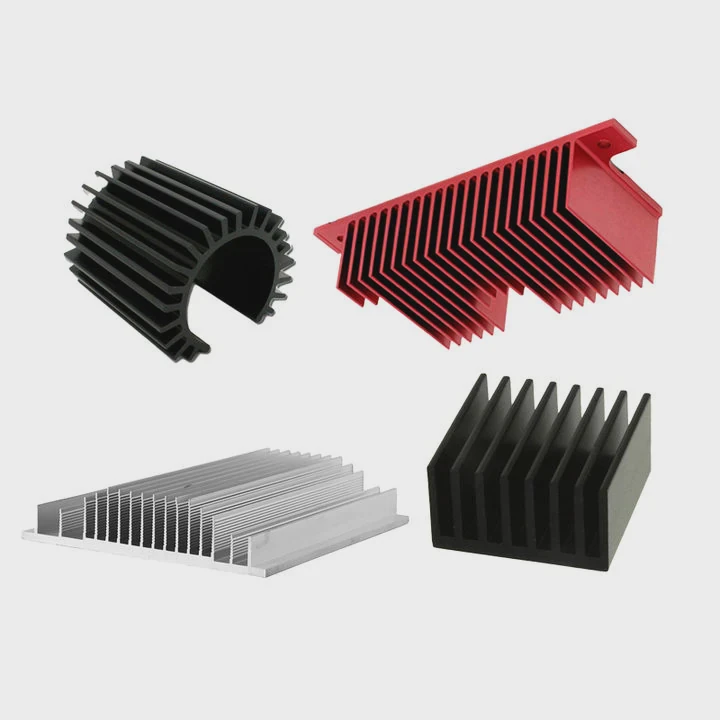
Many buyers focus on thermal performance and price. Yet warranty terms often get ignored. Later, unexpected failures, unclear claims, or weak supplier support can create expensive delays and project risks.
Most heat sink manufacturers offer standard warranties that cover material defects and manufacturing issues. Some suppliers also provide extended warranty programs, repair support, and technical service based on application type, testing standards, and long-term cooperation agreements.
Warranty terms can reveal how confident a manufacturer feels about product quality, process control, and thermal reliability. In industrial markets, strong warranty support often matters as much as thermal performance itself. Buyers who understand warranty policies can reduce supply risks and protect long-term project stability.
Do manufacturers offer standard or extended warranties?
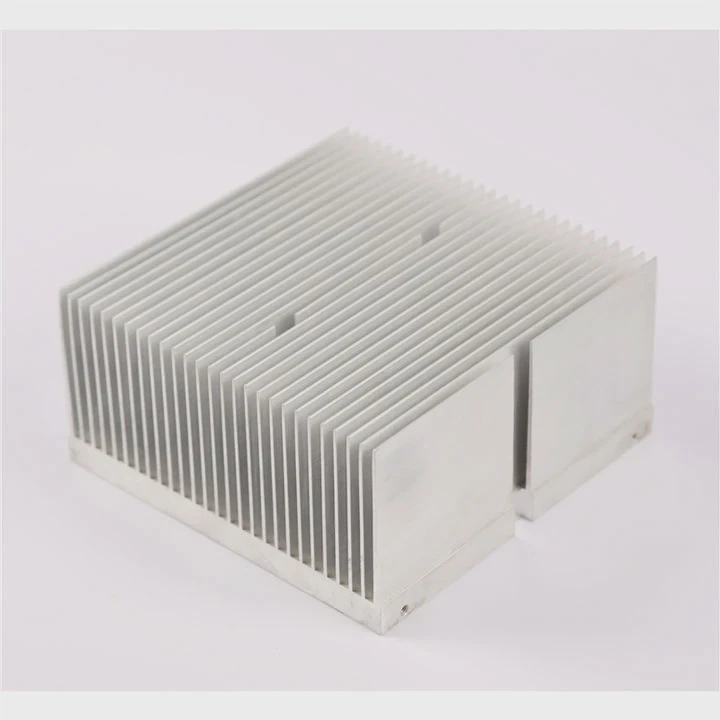
Heat sink failures can damage expensive systems and harm customer trust. Many buyers worry about hidden quality risks after mass production begins. A clear warranty policy helps reduce these concerns before purchasing decisions are made.
Most heat sink manufacturers provide standard warranties that cover defects in materials and workmanship. Some companies also offer extended warranties for custom thermal systems, high-reliability projects, or long-term OEM partnerships.
What Standard Warranties Usually Cover
In the heat sink industry, standard warranties often focus on manufacturing quality. This includes defects related to machining, brazing, welding, surface treatment, or assembly. Most suppliers provide warranties ranging from 12 months to 36 months depending on product type and application environment.
For example, a standard aluminum extrusion heat sink used in industrial electronics may receive a one-year warranty. A liquid cooling module designed for railway systems or energy storage equipment may receive longer coverage because reliability testing requirements are stricter.
Below is a simple comparison table.
| Warranty Type | Typical Coverage | Common Duration |
|---|---|---|
| Standard Warranty | Material and manufacturing defects | 1-3 years |
| Extended Warranty | Long-term reliability support | 3-5 years |
| Project-Based Warranty | Custom agreement for OEM projects | Depends on contract |
Why Extended Warranties Exist
Extended warranties are common in industries where downtime costs are high. Buyers in rail transit, medical systems, energy storage, and aerospace often request longer support periods.
Several factors influence whether a supplier can provide extended warranty coverage:
Manufacturing Stability
A manufacturer with stable production processes usually feels more confident offering longer warranty periods. Process consistency matters greatly in thermal products because even small defects can affect heat transfer efficiency.
For instance, vacuum brazing quality directly affects thermal resistance and structural strength. Poor brazing control may create hidden air gaps or leakage risks. Reliable suppliers invest heavily in inspection systems to avoid these problems.
Reliability Testing
Manufacturers that perform thermal cycling tests, vibration tests, salt spray tests, and environmental aging tests often support stronger warranty programs. These tests help verify long-term durability before shipment.
In many projects, customers request complete testing reports before approving production. This is especially common in Europe and Japan where buyers focus heavily on reliability documentation.
OEM and ODM Cooperation
Long-term customers sometimes negotiate custom warranty agreements. This happens often in OEM and ODM projects where thermal systems become part of larger equipment platforms.
A supplier may offer additional warranty support because both sides already understand the product design, application conditions, and maintenance process.
Hidden Value Behind Warranty Terms
Warranty policies are not only legal documents. They also reflect manufacturing maturity. A factory that struggles with process control rarely offers strong warranty support because failure risks are too high.
When evaluating suppliers, many experienced buyers review these points:
| Evaluation Factor | Why It Matters |
|---|---|
| Testing capability | Reduces failure risk |
| Process certifications | Shows manufacturing discipline |
| Traceability system | Helps identify batch issues |
| Technical response speed | Improves after-sales support |
| Production consistency | Supports stable long-term quality |
In many real projects, buyers pay close attention to how suppliers handle warranty discussions during early communication. Fast and transparent answers often indicate strong internal quality systems.
How is warranty affected by usage conditions?
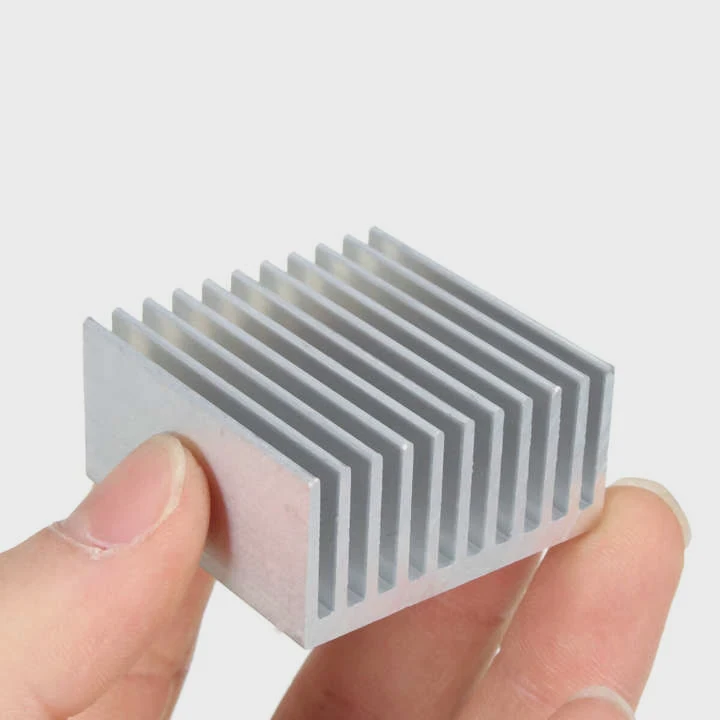
Some buyers assume warranty covers every operating problem. Yet heat sinks work under many different environments. Excessive heat, corrosion, vibration, or poor installation can quickly change warranty responsibility.
Heat sink warranties are heavily influenced by usage conditions. Manufacturers usually require products to operate within approved thermal, mechanical, and environmental limits to maintain warranty validity.
Why Usage Conditions Matter
Heat sinks are passive or semi-passive thermal components. Their performance depends greatly on external conditions. Even a well-designed product may fail if the operating environment exceeds the original design target.
For example, a liquid cold plate designed for indoor industrial equipment may not survive outdoor marine environments without extra corrosion protection. In the same way, a high-power air-cooled heat sink may lose efficiency if airflow conditions change significantly.
Manufacturers usually define operating conditions clearly in technical documents. These may include:
- Maximum operating temperature
- Airflow requirements
- Humidity limits
- Corrosion exposure
- Vibration limits
- Installation direction
- Coolant specifications
If the actual application differs from approved conditions, warranty terms may become limited or invalid.
Common Situations That Affect Warranty
Improper Installation
Installation errors are one of the most common causes of thermal problems. Uneven mounting pressure, poor thermal interface materials, or incorrect bolt torque can increase thermal resistance quickly.
Many suppliers require installation guidelines to be followed exactly. Otherwise, warranty coverage may not apply.
Environmental Corrosion
Heat sinks operating in coastal areas, chemical plants, or humid outdoor environments often face corrosion risks. Salt spray can damage aluminum surfaces and weaken structural joints over time.
Because of this, some manufacturers recommend special coatings, anodizing, or corrosion-resistant materials for harsh conditions.
Overload Operation
Operating beyond designed thermal loads may shorten lifespan significantly. Continuous overload can damage solder joints, welded areas, or internal vapor chamber structures.
This issue appears often in fast-growing industries where equipment power density increases rapidly after initial deployment.
Unauthorized Modification
Warranty policies usually exclude products that were modified after delivery. This may include:
- Additional machining
- Structural cutting
- Rewelding
- Changing coolant channels
- Replacing interface materials
Such changes can alter thermal performance and create unknown reliability risks.
The Importance of Early Technical Communication
In many projects, warranty disputes happen because application conditions were not discussed clearly during development.
Early communication between supplier and customer helps avoid this problem. Good thermal suppliers often ask detailed questions before production starts:
- What is the heat load?
- What environment will the system face?
- Will vibration occur?
- Is outdoor operation required?
- What cooling method will be used?
These questions are not only technical. They directly affect warranty confidence.
Why Documentation Matters
Industrial customers increasingly request complete validation reports. These documents help prove that products operated within approved ranges.
Common supporting documents include:
| Document Type | Purpose |
|---|---|
| Thermal simulation reports | Verify heat dissipation capacity |
| Reliability test reports | Confirm long-term durability |
| Environmental test records | Validate harsh condition performance |
| Installation instructions | Define proper assembly process |
| Traceability reports | Identify production batches |
Strong documentation protects both supplier and buyer. It also speeds up warranty handling if problems appear later.
Are replacement or repair options included?
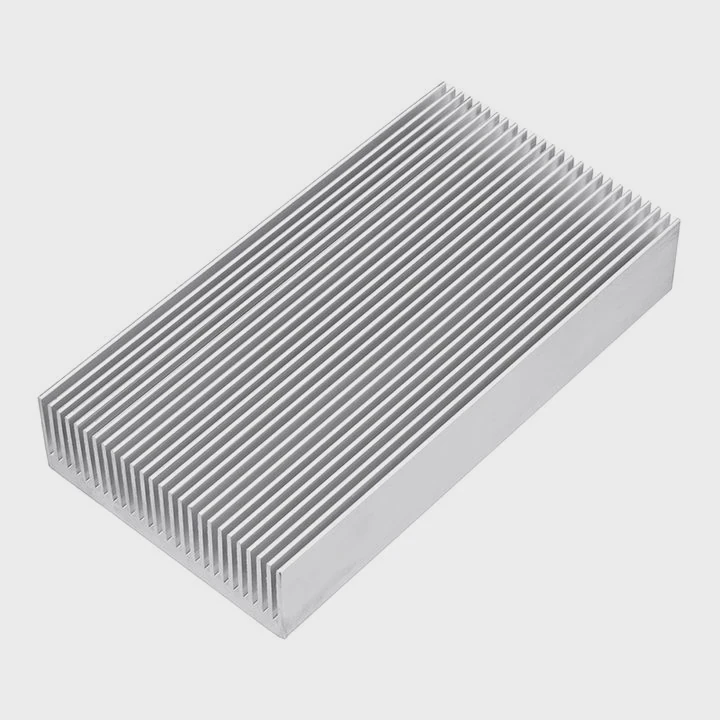
A warranty sounds helpful on paper. But buyers often care more about what actually happens after a failure occurs. Slow replacement support can stop entire production lines and create large financial losses.
Many heat sink manufacturers include replacement or repair options in their warranty policies. The final solution usually depends on product complexity, failure type, project urgency, and contractual agreements.
Replacement Is Often the First Option
For standard heat sinks, replacement is usually faster and more practical than repair. This is especially true for:
- Aluminum extrusion heat sinks
- CNC machined heat sinks
- Standard bonded fin structures
- Air-cooled assemblies
If a manufacturing defect appears during the warranty period, suppliers often send replacement units directly after failure verification.
This approach reduces downtime and simplifies logistics.
Why Repair Is More Common in Advanced Thermal Systems
Repair services become more important when products are expensive or highly customized.
Examples include:
- Liquid cooling plates
- Vapor chamber modules
- Friction stir welded assemblies
- Vacuum brazed structures
- Integrated thermal management systems
In these cases, replacing the entire module may cost far more than localized repair work.
Common Repair Situations
Leakage Repair
Liquid cooling systems sometimes require leak inspection and sealing repair. Manufacturers may perform pressure testing, rewelding, or channel correction depending on the issue.
Surface Restoration
Corrosion damage or coating defects can sometimes be repaired through re-anodizing or surface treatment restoration.
Structural Reinforcement
In certain projects, vibration damage may require local reinforcement or welding repair.
Still, repair feasibility depends heavily on the product structure and field conditions.
How Warranty Service Usually Works
Most manufacturers follow a structured process after receiving a warranty claim.
| Warranty Step | Typical Action |
|---|---|
| Failure report | Customer submits issue details |
| Technical analysis | Supplier reviews root cause |
| Sample inspection | Failed part evaluation |
| Corrective action | Repair or replacement decision |
| Preventive improvement | Process or design optimization |
This process is especially important in B2B industries because failures may involve large production quantities.
Fast Response Matters More Than Warranty Length
Many experienced buyers care less about warranty duration and more about response efficiency.
A supplier that answers quickly, provides technical support, and offers temporary solutions often creates stronger trust than one offering a longer but unclear warranty.
In thermal management projects, delays can become very expensive. A failed cooling module may stop testing schedules, delay product launches, or interrupt manufacturing lines.
The Role of Root Cause Analysis
Serious manufacturers usually perform root cause analysis before finalizing warranty actions. This helps determine whether the issue came from:
- Manufacturing defects
- Material quality problems
- Design limitations
- Installation mistakes
- Unexpected environmental conditions
A professional analysis process helps both sides avoid repeating the same issue later.
Why Long-Term Support Is Important
Thermal systems often remain in service for many years. Railway equipment, energy storage systems, and medical devices may operate for over a decade.
Because of this, buyers increasingly prefer suppliers that can provide:
- Spare parts support
- Technical maintenance guidance
- Batch traceability
- Long-term repair capability
- Engineering updates
These services create stability beyond the original warranty period itself.
Can warranty improve buyer confidence?
Many suppliers claim high quality. Yet buyers often struggle to verify those promises before mass production begins. Warranty policies can become one of the few measurable signs of supplier confidence and manufacturing reliability.
A strong heat sink warranty can improve buyer confidence by reducing purchasing risk, demonstrating manufacturing stability, and showing long-term commitment to product reliability and customer support.
Warranty Reflects Manufacturing Confidence
Suppliers rarely offer strong warranties unless they trust their own manufacturing systems. Warranty terms indirectly show how well a company controls:
- Raw materials
- Machining accuracy
- Welding quality
- Thermal performance consistency
- Inspection procedures
- Reliability validation
In many industrial markets, buyers study warranty details carefully before approving suppliers.
Why Buyers Care About Warranty Stability
Heat sink failures can create chain reactions inside complex systems. A thermal issue may damage semiconductors, reduce equipment lifespan, or stop entire systems unexpectedly.
Because of this, buyers want reassurance that suppliers will continue supporting products after delivery.
This is especially important in industries such as:
| Industry | Why Warranty Matters |
|---|---|
| Rail transit | Long operating life requirements |
| Energy storage | High thermal load conditions |
| Medical equipment | Reliability affects safety |
| 5G communication | Continuous operation demand |
| Aerospace | Extreme environment exposure |
Warranty Helps Reduce Procurement Risk
Procurement teams often compare several suppliers with similar pricing and thermal performance. In these situations, warranty support can become a key differentiator.
A clear warranty policy helps buyers evaluate:
Supplier Professionalism
Well-structured warranty terms usually indicate organized quality management systems.
Long-Term Cooperation Potential
Manufacturers willing to support products over many years often seek stable partnerships instead of short-term transactions.
Technical Transparency
Suppliers that openly explain warranty limitations and testing methods usually create more trust during technical discussions.
How Warranty Supports Brand Reputation
Strong warranty performance also affects brand image. Buyers share supplier experiences across industries, exhibitions, and professional networks.
A manufacturer known for responsible after-sales support often gains repeat business faster than competitors focused only on pricing.
In many cases, reputation spreads through real project experience rather than marketing claims.
Why Certifications and Warranty Work Together
Warranty confidence becomes stronger when supported by recognized certifications and testing systems.
Common certifications in thermal management industries include:
- ISO9001
- IATF16949
- ISO14001
- EN15085
- DIN6701
These systems help standardize manufacturing processes and improve consistency.
Still, certification alone does not guarantee product quality. Buyers often combine certification reviews with warranty evaluations, factory audits, and testing verification before making final decisions.
The Human Side of Warranty Trust
Technical specifications matter greatly. Yet many purchasing decisions also depend on communication quality during difficult situations.
When problems occur, buyers remember suppliers that:
- Respond quickly
- Share technical data openly
- Provide practical solutions
- Take responsibility clearly
- Support corrective improvements
This type of support creates long-term trust far beyond written warranty terms.
In many successful projects, warranty service becomes part of the overall partnership experience rather than a simple legal obligation.
Conclusion
Heat sink warranty policies do more than cover defects. They reflect manufacturing quality, reliability confidence, and long-term service capability. Buyers who understand warranty details can reduce project risks, improve supplier selection, and build stronger long-term thermal management partnerships.