Which Electronic Devices Are Compatible with Heat Sinks?
- Yongxing
- 09 Jul ,2026
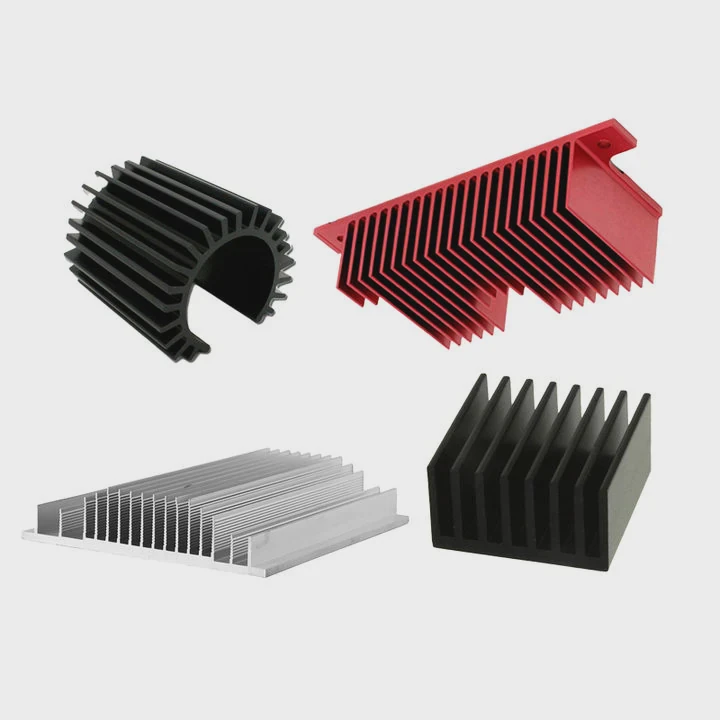
Many electronic devices become less reliable when heat is not controlled properly. Excess heat can reduce performance, shorten component life, and increase maintenance costs.
Heat sinks are compatible with a wide range of electronic devices, including smartphones, laptops, industrial controllers, IoT equipment, communication systems, power electronics, and medical devices. They help transfer heat away from critical components and keep systems operating safely and efficiently.
As electronic products become smaller and more powerful, thermal management becomes more important. Modern chips process more data than ever before. At the same time, manufacturers continue to reduce product size. This combination creates higher heat density, which makes heat sinks a key part of many electronic systems.
Do Smartphones Require Micro Heat Sinks?
Many users notice that their smartphones become warm during gaming, video calls, fast charging, or AI applications. This heat is not just a comfort issue. It can directly affect performance and long-term reliability.
Yes, many modern smartphones require micro heat sinks or similar thermal solutions. These compact cooling components help spread and dissipate heat from processors, batteries, and communication chips, allowing devices to maintain stable performance under heavy workloads.
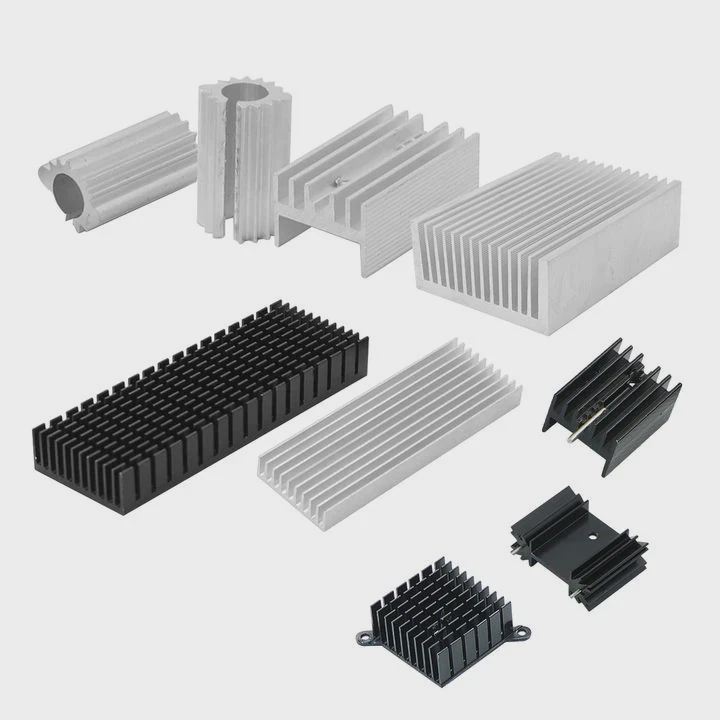
Smartphones today contain powerful processors that handle complex tasks in a very small space. The challenge is simple. More computing power creates more heat. However, there is very little room inside a smartphone for traditional cooling hardware.
Main Heat Sources Inside Smartphones
Several components generate heat during operation.
| Component | Heat Generation Source | Potential Impact |
|---|---|---|
| CPU/AP Processor | Computing tasks | Performance throttling |
| 5G Modem | Data transmission | Higher surface temperature |
| Battery | Fast charging cycles | Reduced battery life |
| Camera Processor | Image processing | Localized hot spots |
Gaming, video rendering, and AI applications place heavy demands on processors. During these tasks, temperatures can rise quickly.
Why Micro Heat Sinks Matter
Traditional finned heat sinks are too large for smartphones. Because of this limitation, engineers use compact thermal solutions such as:
- Copper micro heat sinks
- Ultra-thin aluminum heat spreaders
- Vapor chambers
- Graphite sheets
- Phase-change thermal components
These technologies work together to move heat away from concentrated areas.
The Challenge of Compact Design
Smartphone manufacturers constantly try to reduce thickness while increasing performance. This creates competing design goals.
A thermal engineer must consider:
- Device thickness
- Weight
- Battery capacity
- User comfort
- Manufacturing cost
- Cooling efficiency
In one thermal optimization project, a mobile processor consistently reached its thermal limit during stress testing. The processor itself was not defective. The real issue was uneven heat distribution. After the thermal module was redesigned with improved heat spreading capability, operating temperatures became more stable and performance remained consistent for longer periods.
Future Smartphone Cooling Trends
As AI features become standard in smartphones, thermal loads will continue to increase. Future devices may rely more heavily on:
- Advanced vapor chambers
- Ultra-thin copper heat sinks
- Hybrid cooling modules
- Phase-change cooling technology
Micro heat sinks may be small, but they play a major role in keeping modern smartphones fast, stable, and reliable.
Can Laptops Benefit from Low-Profile Designs?
Laptop users expect high performance, long battery life, and slim product designs. These expectations often create thermal challenges for engineers.
Low-profile heat sink designs provide significant benefits for laptops because they improve cooling performance while preserving internal space. They help reduce thermal throttling, improve reliability, and support thinner product designs.
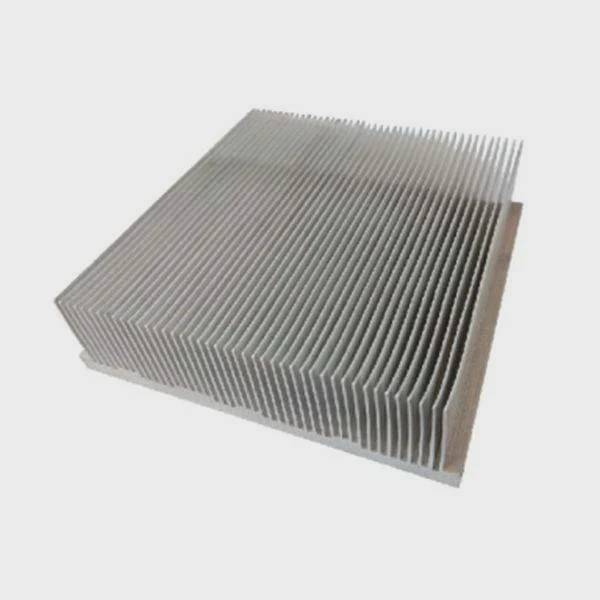
Modern laptops contain processors that generate substantial heat. At the same time, product thickness continues to decrease. Every millimeter inside the chassis matters.
What Is a Low-Profile Heat Sink?
A low-profile heat sink is designed with reduced height while maintaining effective heat transfer.
These solutions often work together with:
- Heat pipes
- Vapor chambers
- Thin aluminum fins
- Forced-air cooling systems
- Custom thermal modules
The goal is to maximize cooling without increasing product size.
Benefits of Low-Profile Heat Sinks
| Benefit | Description |
|---|---|
| Space Saving | Supports thinner laptop designs |
| Better Thermal Control | Helps maintain stable temperatures |
| Reduced Weight | Improves portability |
| Design Flexibility | Easier integration into compact systems |
| Improved Performance | Reduces processor throttling |
Key Laptop Heat Sources
Central Processing Unit
The CPU remains one of the primary heat generators. Heavy workloads can quickly increase temperature levels.
Graphics Processing Unit
Gaming laptops and AI workstations often contain dedicated GPUs. These components can produce large amounts of heat during operation.
Power Delivery Circuits
Voltage regulators and power management components also contribute to heat generation.
Storage Devices
High-speed SSDs generate heat during sustained read and write operations.
Why Thermal Throttling Matters
When temperatures exceed safe limits, processors automatically reduce operating speed.
This can cause:
- Lower gaming performance
- Slower software execution
- Increased fan noise
- Reduced productivity
Users often notice these effects during intensive tasks.
Low-Profile Design and Modern Trends
Laptop manufacturers increasingly use advanced thermal technologies to overcome space limitations.
Common solutions include:
Heat Pipe Assemblies
Heat pipes efficiently move heat away from processors.
Vapor Chamber Systems
These systems distribute heat across a larger surface area.
Custom Aluminum Heat Sinks
Lightweight aluminum structures remain a popular choice because of their balance between cost and performance.
Hybrid Thermal Modules
Many premium laptops combine several cooling technologies into one integrated system.
As processor performance continues to increase, low-profile heat sink designs will remain essential. They allow manufacturers to build thinner devices without sacrificing cooling performance or long-term reliability.
Are Industrial Controllers Compatible?
Industrial controllers often operate in environments that are far more demanding than consumer electronics. Continuous operation, high temperatures, and harsh conditions create significant thermal challenges.
Industrial controllers are highly compatible with heat sinks and frequently depend on them for reliable operation. Heat sinks help protect sensitive electronics, reduce failure rates, and improve system longevity in demanding industrial environments.
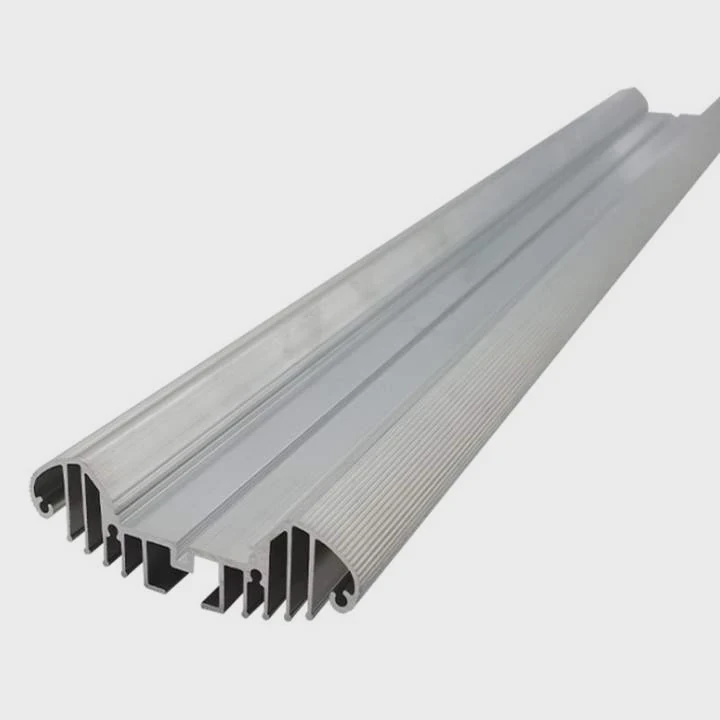
Unlike smartphones or laptops, industrial controllers often run continuously for years. Downtime can be expensive, which makes thermal reliability a critical concern.
Common Industrial Applications
Heat sinks are widely used in:
- PLC controllers
- Motion control systems
- Railway electronics
- Energy storage systems
- Power conversion equipment
- Communication infrastructure
Many of these systems operate under heavy electrical loads.
Thermal Challenges in Industrial Environments
Industrial installations often face conditions that increase heat buildup.
Continuous Operation
Many systems operate 24 hours a day.
Enclosed Cabinets
Control electronics are frequently installed inside electrical cabinets with limited airflow.
Elevated Ambient Temperatures
Factories, outdoor installations, and power facilities often experience high surrounding temperatures.
High Power Density
Modern industrial electronics continue to become more compact while handling larger workloads.
Why Heat Sinks Are Widely Used
Industrial controllers are excellent candidates for custom heat sink solutions because they typically feature:
- Predictable thermal loads
- Long service life requirements
- High reliability standards
- Stable mounting structures
Common Heat Sink Options
Aluminum Heat Sinks
Aluminum offers good thermal performance while remaining lightweight and cost-effective.
Copper Heat Sinks
Copper provides superior thermal conductivity and is often selected for high-power applications.
Vacuum Brazed Heat Sinks
These structures improve heat transfer efficiency and support complex cooling requirements.
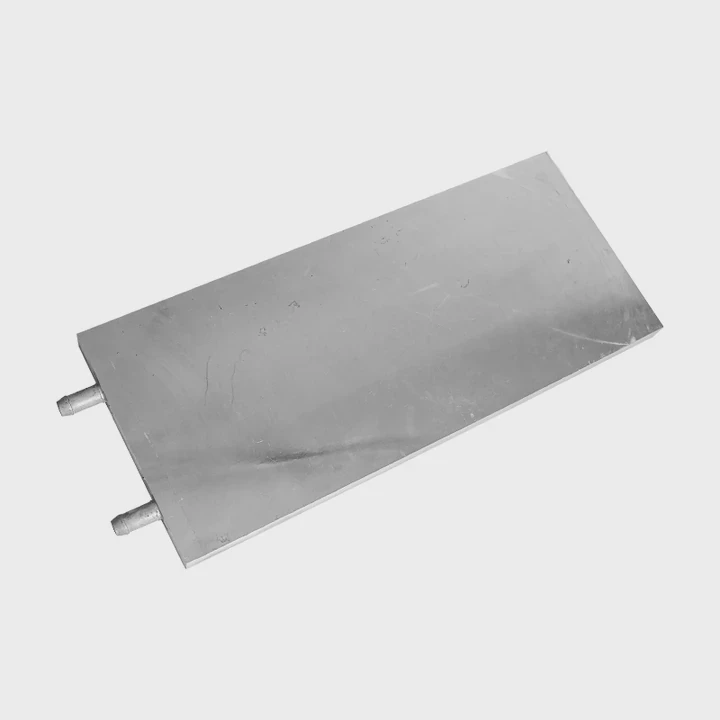
Liquid Cooling Plates
Some high-power systems require liquid cooling to manage large thermal loads.
Reliability Benefits
A properly designed heat sink can provide several advantages.
| Reliability Factor | Benefit |
|---|---|
| Lower Component Temperature | Longer lifespan |
| Reduced Thermal Stress | Improved durability |
| Better Heat Distribution | Stable performance |
| Lower Failure Rate | Reduced downtime |
| Consistent Operation | Improved productivity |
In industrial systems, thermal management is often directly linked to operational reliability. A smartphone slowing down may be inconvenient. An industrial controller shutting down unexpectedly can stop an entire production line.
For this reason, heat sinks are not simply accessories in industrial electronics. They are critical engineering components that support safe and reliable operation.
Which IoT Devices Need Thermal Management?
Many people associate IoT devices with simple sensors that consume very little power. However, modern IoT systems often perform advanced computing tasks that generate significant heat.
Many IoT devices require thermal management, including edge computing systems, smart gateways, AI cameras, communication modules, industrial sensors, and networking equipment. Proper cooling helps improve reliability, accuracy, and operating life.
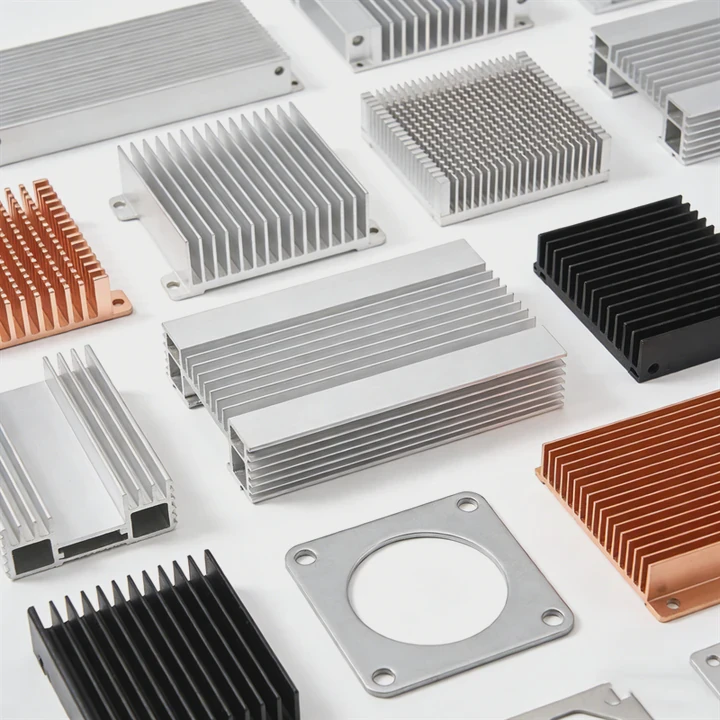
The Internet of Things has evolved rapidly. Many devices now process large amounts of data locally before transmitting information to cloud platforms.
IoT Devices That Commonly Use Heat Sinks
Edge Computing Units
Edge systems perform local analytics and data processing. Their processors often require thermal management.
Smart Gateways
These devices manage communication between multiple networks and connected equipment.
AI Cameras
Video analytics and object recognition demand significant computing power.
Industrial Sensors
Sensors operating in harsh environments often require thermal protection.
Communication Modules
5G devices, wireless routers, and networking equipment generate heat during continuous data transmission.
Why Thermal Management Is Necessary
Several factors contribute to temperature rise in IoT systems.
Compact Packaging
Small enclosures limit airflow and cooling capacity.
Continuous Operation
Many IoT devices operate around the clock.
Outdoor Installation
Solar radiation and environmental heat can increase internal temperatures.
Increased Computing Power
Modern IoT platforms often include AI processors and advanced communication modules.
Passive Cooling Solutions
Many IoT products use passive cooling because it offers high reliability.
Common passive solutions include:
- Aluminum heat sinks
- Copper heat spreaders
- Thermal interface materials
- Extruded heat sink structures
These systems require no moving parts and very little maintenance.
Active Cooling Solutions
Some advanced applications require additional cooling capacity.
Examples include:
- Cooling fans
- Blowers
- Liquid cooling modules
These solutions provide greater cooling performance but also increase complexity.
Choosing the Right Thermal Solution
Several factors influence heat sink selection.
| Design Parameter | Importance |
|---|---|
| Power Consumption | Determines cooling demand |
| Available Space | Limits heat sink size |
| Ambient Temperature | Affects thermal performance |
| Reliability Goals | Influences safety margins |
| Budget Requirements | Impacts material choice |
Future Growth of Thermal Management in IoT
IoT technology continues to expand into:
- Smart factories
- Transportation systems
- Healthcare equipment
- Energy infrastructure
- Communication networks
Many of these applications require more processing power than earlier generations of IoT products.
As a result, thermal management is becoming a standard design requirement rather than an optional feature. Engineers increasingly evaluate heat dissipation early in the development process to avoid reliability issues later.
From simple aluminum heat sinks to advanced vapor chamber assemblies, thermal solutions help ensure that IoT devices maintain stable operation throughout their service life. As edge computing, artificial intelligence, and high-speed communication continue to grow, the role of thermal management will only become more important.
Conclusion
Heat sinks are compatible with a broad range of electronic devices. Smartphones use micro heat sinks to manage heat in compact spaces. Laptops benefit from low-profile thermal designs. Industrial controllers depend on reliable cooling for long-term operation. IoT devices increasingly require thermal management as computing power grows. Effective heat sink design remains one of the most important factors in achieving performance, reliability, and product longevity.