Which Heat Sinks Handle High Thermal Loads?
- Yongxing
- 11 Jul ,2026
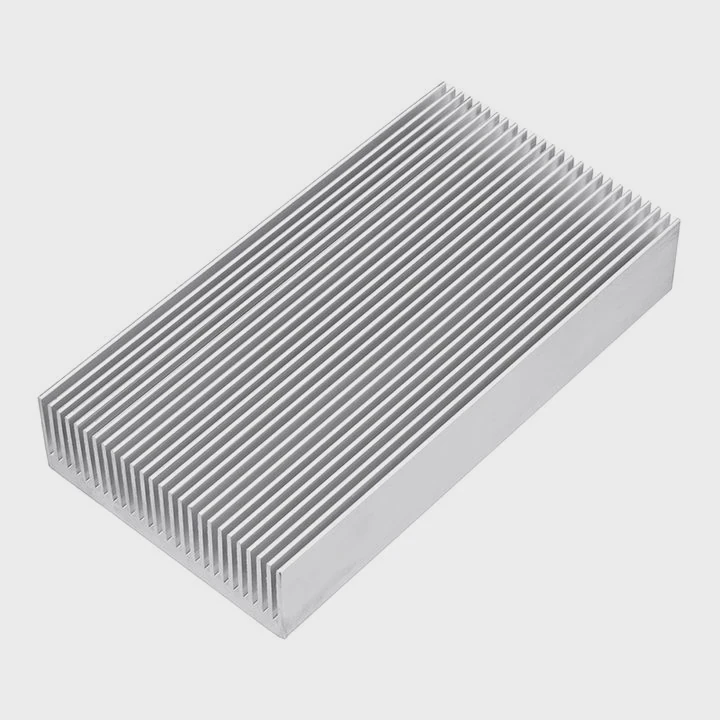
High thermal loads can damage electronics, reduce efficiency, and shorten product life. Many engineers struggle to find a heat sink that can remove heat fast enough under demanding conditions.
Heat sinks that handle high thermal loads usually combine high thermal conductivity, optimized fin structures, strong airflow management, and materials such as aluminum, copper, or hybrid combinations. The best choice depends on power density, operating environment, weight limits, and reliability requirements.
Many thermal management projects look simple at first. A device generates heat, and a heat sink removes it. The reality is often more complex. Heat load, airflow, size limits, reliability goals, and manufacturing costs all affect the final design. Understanding these factors makes it easier to select the right solution for demanding applications.
Do Large-Scale Electronics Need Reinforced Fins?
Small heat sources can often work with standard fin structures. Large-scale electronics create a different challenge. High power output can place significant thermal and mechanical stress on a heat sink.
Large-scale electronics often benefit from reinforced fins because stronger fin structures improve durability, maintain airflow channels, reduce vibration risks, and support stable thermal performance in high-power environments.
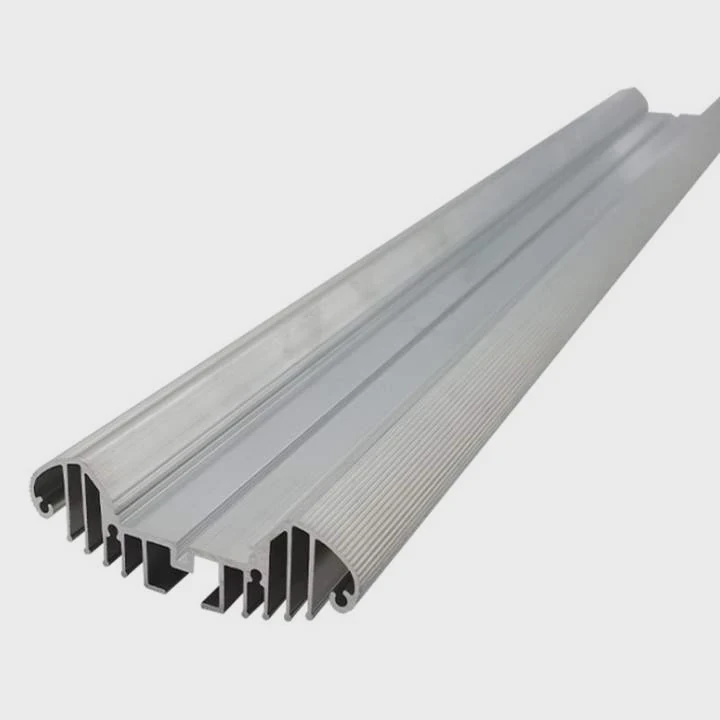
Large electronic systems often operate for thousands of hours without interruption. Examples include power converters, energy storage systems, telecom equipment, industrial automation platforms, and transportation electronics. In these environments, heat sinks face more than just thermal loads.
Why Fin Strength Matters
A fin may appear simple, but it performs several important functions. It increases surface area, supports airflow, and transfers heat from the base into the surrounding environment. When fins become too thin or too tall, structural problems can appear.
Common issues include:
- Fin vibration
- Fin bending
- Reduced airflow stability
- Mechanical fatigue
- Transport damage
A reinforced fin structure helps prevent these problems.
Thermal Performance and Mechanical Stability
Many engineers focus only on thermal resistance. Mechanical stability is just as important. A heat sink that performs well during testing may lose efficiency if fins deform during operation.
The relationship is simple:
| Factor | Impact on Heat Sink |
|---|---|
| Stronger fins | Better structural stability |
| Stable geometry | Consistent airflow |
| Consistent airflow | Reliable heat transfer |
| Reliable heat transfer | Lower operating temperatures |
Large systems often experience vibration from fans, pumps, motors, or nearby equipment. Reinforced fin designs help maintain long-term reliability under these conditions.
When Reinforced Fins Become Necessary
Several conditions increase the need for stronger fin structures:
- High-power operation above several hundred watts
- Tall fin geometries
- Forced-air cooling systems
- Transportation environments
- Outdoor installations
- Long service life requirements
A project involving industrial power electronics demonstrated this challenge clearly. Initial prototypes used very thin fins to maximize surface area. Testing showed good thermal results. However, vibration testing revealed fin resonance at operating fan speeds. Reinforcing the fin structure slightly increased weight but improved long-term durability significantly.
Design Trade-Offs
Engineers rarely optimize only one parameter. Stronger fins may reduce the total fin count. Fewer fins can reduce surface area. The final design must balance:
- Thermal performance
- Weight
- Cost
- Manufacturing complexity
- Reliability
This balance becomes especially important in high-load applications where downtime is expensive.
Are Copper Alloys Preferable for High Heat?
Many people immediately think of copper when discussing high thermal loads. Copper has an excellent reputation in thermal management. Still, the best answer depends on more than conductivity alone.
Copper alloys are often preferable for high heat applications because they transfer heat quickly and reduce temperature gradients. However, weight, cost, corrosion requirements, and manufacturing considerations can make aluminum or hybrid designs a better overall solution.
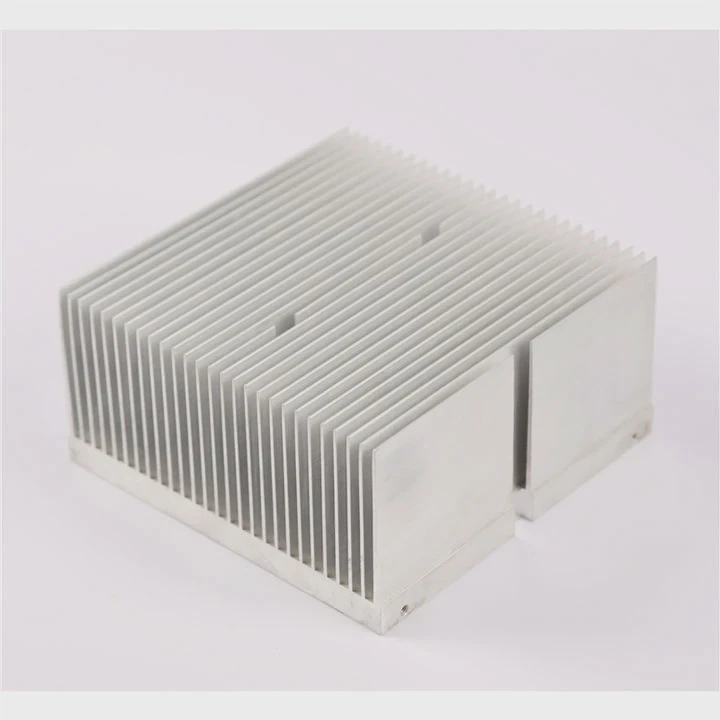
Copper remains one of the most effective thermal management materials available for commercial heat sink production. Its thermal conductivity is significantly higher than most aluminum alloys.
Why Copper Performs Well
The main advantage of copper is its ability to move heat rapidly from the heat source into the heat sink body.
Benefits include:
- Lower thermal resistance
- Faster heat spreading
- Better hotspot control
- Improved temperature uniformity
These advantages become valuable when heat is concentrated into a small area.
Examples include:
- CPUs
- GPUs
- Laser systems
- Power semiconductors
- Medical equipment
Comparing Aluminum and Copper
The choice often involves balancing multiple factors.
| Property | Aluminum | Copper |
|---|---|---|
| Thermal conductivity | Good | Excellent |
| Weight | Low | High |
| Cost | Lower | Higher |
| Machinability | Good | Moderate |
| Structural load | Lower | Higher |
Copper can improve thermal performance, but its weight can create new engineering challenges.
The Role of Copper Alloys
Pure copper is not always used. Many applications select copper alloys because they provide a balance between conductivity and mechanical properties.
Certain alloy compositions improve:
- Strength
- Corrosion resistance
- Durability
- Manufacturing consistency
The exact alloy selection depends on operating conditions and product requirements.
Situations Where Copper Excels
Copper heat sinks often become attractive when:
- Power density is extremely high
- Available space is limited
- Temperature control is critical
- Airflow is restricted
- Hotspots must be minimized
A laser system, for example, may generate intense localized heat. In such a case, copper can spread heat more effectively than aluminum, reducing peak temperatures around sensitive components.
Situations Where Copper Is Not Ideal
Copper is not automatically the best solution.
Potential drawbacks include:
- Increased product weight
- Higher material costs
- Greater shipping expenses
- More difficult handling in large assemblies
Many large-scale systems prioritize total system efficiency. In those cases, a well-designed aluminum heat sink may provide better value despite lower conductivity.
The most successful projects usually evaluate the entire thermal path rather than focusing only on material conductivity.
Can Hybrid Materials Improve Performance?
Thermal engineers increasingly use hybrid designs instead of relying on a single material. This trend continues to grow as power densities rise and product sizes shrink.
Hybrid materials can improve heat sink performance by combining the strengths of different materials. They can deliver better heat spreading, lower weight, improved reliability, and more efficient thermal management than single-material designs.
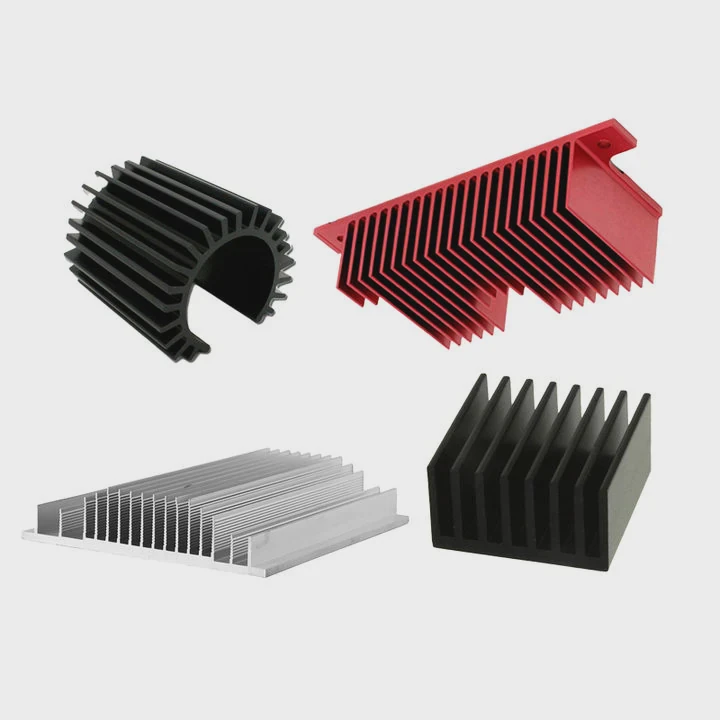
The thermal management industry has evolved significantly during the past decade. Designers no longer view aluminum-versus-copper as a simple choice. Modern systems often combine multiple materials into a single thermal solution.
What Is a Hybrid Heat Sink?
A hybrid heat sink uses two or more materials working together.
Examples include:
- Copper base with aluminum fins
- Vapor chamber with aluminum structure
- Heat pipes integrated into fin arrays
- Phase-change components with metal heat spreaders
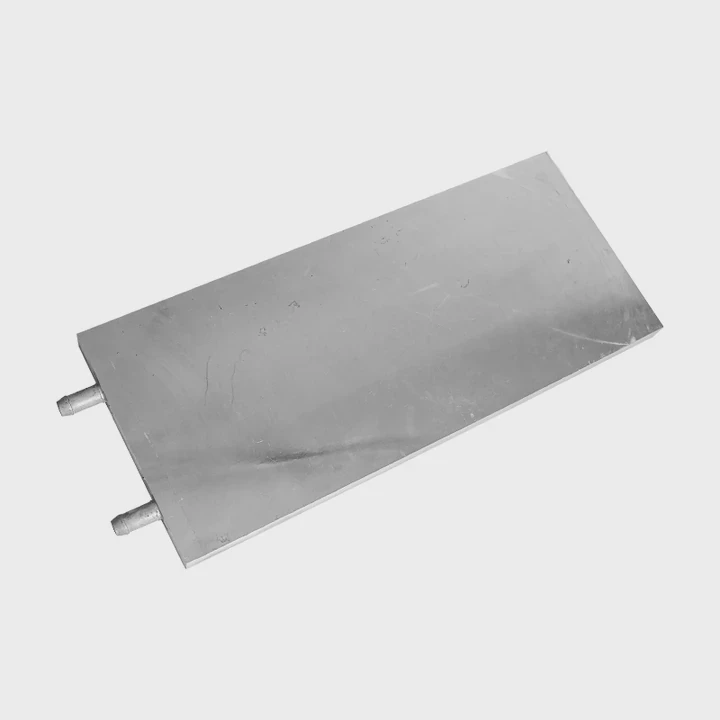
- Liquid cooling plates connected to fin assemblies
Each material performs a specific task.
Combining Strengths
Copper spreads heat efficiently. Aluminum provides lightweight surface area. Heat pipes move heat across long distances. Vapor chambers distribute heat evenly.
When these technologies work together, overall performance often improves.
Example of Material Functions
| Material or Technology | Primary Function |
|---|---|
| Copper | Heat spreading |
| Aluminum | Surface area and weight reduction |
| Heat pipe | Heat transport |
| Vapor chamber | Uniform heat distribution |
| Liquid cooling plate | High-capacity heat removal |
This approach allows engineers to target specific thermal challenges more effectively.
Addressing Modern Power Density
Modern electronics generate more heat in smaller spaces. This creates concentrated hotspots that traditional heat sinks may struggle to manage.
Hybrid solutions help solve several problems:
Hotspot Reduction
A copper base or vapor chamber spreads heat before it reaches the fin structure. This lowers peak temperatures.
Weight Management
Using copper everywhere can make a product excessively heavy. Aluminum fins reduce total mass while maintaining large cooling surfaces.
Space Optimization
Many products cannot accommodate larger heat sinks. Hybrid materials improve performance without requiring significant increases in size.
Real-World Examples
Several industries already rely heavily on hybrid thermal solutions:
- Data centers
- Artificial intelligence servers
- Telecommunications equipment
- Electric vehicles
- Aerospace electronics
These systems often operate near their thermal limits. Traditional single-material heat sinks may not provide enough margin.
Challenges of Hybrid Designs
Hybrid solutions also introduce complexity.
Potential considerations include:
- Additional manufacturing steps
- Higher production costs
- Material interface resistance
- Assembly requirements
Engineers must carefully design contact surfaces to ensure heat moves efficiently between materials.
Even with these challenges, hybrid solutions continue to gain popularity because they offer a practical path toward higher thermal performance without excessive increases in weight or size.
Which Applications Demand Extreme Heat Resistance?
Some applications push thermal management far beyond normal operating conditions. These systems require heat sinks that can maintain performance under severe environmental and thermal stress.
Applications that demand extreme heat resistance include aerospace systems, power electronics, rail transportation, energy storage, military equipment, industrial machinery, and high-performance computing platforms. These environments require robust thermal solutions that remain reliable under continuous thermal stress.
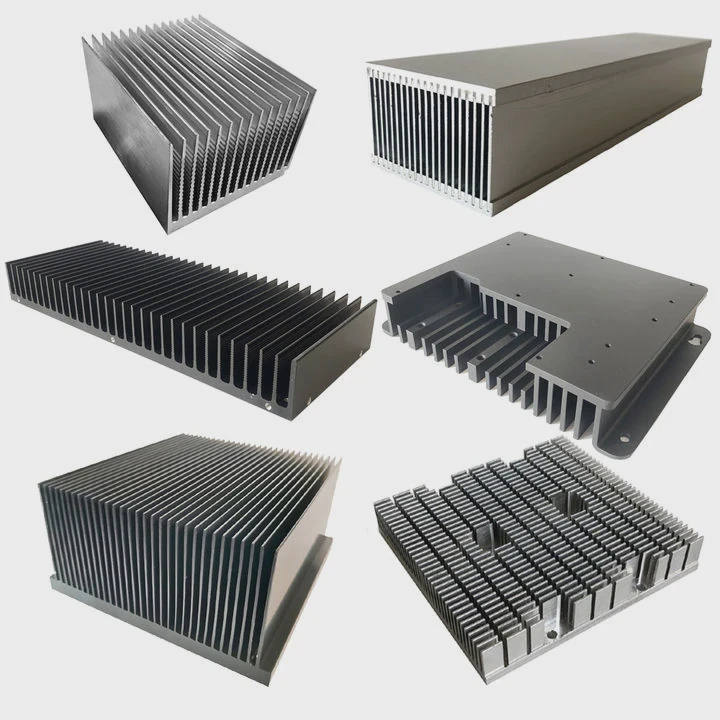
Not every electronic system needs extreme heat resistance. Consumer devices often operate within moderate temperature ranges. Industrial and mission-critical equipment face much harsher conditions.
Aerospace Systems
Aircraft and aerospace electronics encounter unique thermal challenges.
Factors include:
- High power density
- Wide temperature swings
- Limited cooling opportunities
- Strict reliability requirements
Failure can lead to significant operational consequences. Heat sinks in these environments must perform consistently over long service periods.
Power Electronics
Power conversion equipment generates substantial heat during operation.
Examples include:
- Inverters
- Converters
- Motor drives
- Charging systems
As power levels increase, thermal loads rise dramatically. Efficient heat removal becomes essential for maintaining component life.
Rail Transportation
Rail applications combine thermal stress with vibration and environmental exposure.
Heat sinks must tolerate:
- Continuous operation
- Mechanical shock
- Dust exposure
- Outdoor environments
Reliability often takes priority over minimizing cost.
Energy Storage and Renewable Energy
Battery systems and renewable energy installations continue to grow worldwide.
These systems generate heat through:
- Charging cycles
- Discharging cycles
- Power conversion processes
Poor thermal management can reduce efficiency and accelerate component aging.
High-Performance Computing
Artificial intelligence, cloud computing, and advanced data processing have changed thermal design requirements.
Modern processors can generate extraordinary thermal loads within small footprints.
Challenges include:
- High power density
- Localized hotspots
- Continuous operation
- Tight temperature limits
Many of these systems now use advanced hybrid or liquid-assisted cooling solutions.
Industrial Manufacturing Equipment
Industrial electronics often operate in difficult environments.
Common conditions include:
- High ambient temperatures
- Dust contamination
- Continuous duty cycles
- Limited maintenance access
Heat sinks must remain effective despite these challenges.
Characteristics of Extreme Heat Applications
Several traits appear repeatedly across demanding environments:
| Requirement | Importance |
|---|---|
| High thermal conductivity | Critical |
| Structural strength | Critical |
| Corrosion resistance | Important |
| Long-term reliability | Critical |
| Thermal cycling durability | Critical |
| Manufacturing consistency | Important |
Looking Beyond Material Selection
Many engineers focus heavily on heat sink material. Extreme heat resistance depends on much more than material choice.
Important design factors include:
- Base thickness
- Fin geometry
- Surface treatment
- Airflow management
- Thermal interface materials
- Mounting pressure
- Environmental protection
A well-designed aluminum system can outperform a poorly designed copper system. Successful thermal management comes from optimizing the complete solution rather than maximizing a single parameter.
As power levels continue to rise across industries, extreme heat resistance will become an even more important design requirement. The most effective solutions will combine advanced materials, intelligent structures, and careful thermal engineering to manage increasingly demanding heat loads.
Conclusion
High thermal loads require more than simply choosing a larger heat sink. Reinforced fins improve durability, copper enhances heat spreading, hybrid materials combine multiple advantages, and extreme environments demand carefully engineered solutions. The best thermal design balances performance, reliability, weight, cost, and long-term operating conditions.