Which Industrial Equipment Works Best With Heat Sinks?
- Yongxing
- 11 Jul ,2026
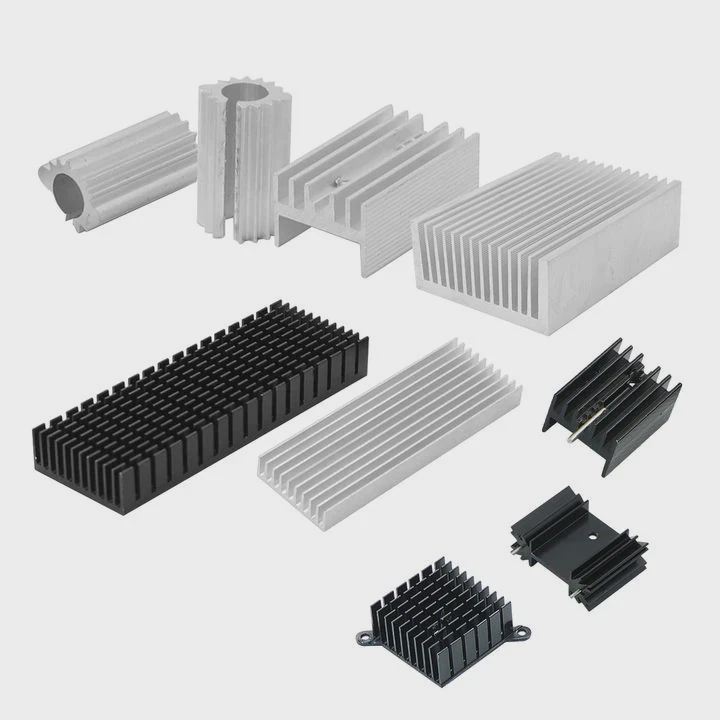
Industrial equipment often creates more heat than many engineers expect. Excess heat can lower efficiency, shorten component life, and increase maintenance costs. Many systems fail early because thermal control is treated as an afterthought.
Heat sinks work best in industrial equipment that generates continuous or high power heat loads. CNC machines, HVAC systems, renewable energy devices, and heavy machinery all benefit from proper thermal management because stable temperatures improve performance, reliability, and service life.
Many buyers focus on power output, production speed, or system size. Thermal management usually gets attention only after overheating appears. A better approach is to understand how different industrial systems create heat and how heat sinks help remove it before it becomes a problem.
Do CNC Machines Require Specialized Heat Sinks?
Heat is one of the hidden challenges inside modern CNC equipment. Motors, drives, power supplies, and control units all generate heat during long production cycles. Poor heat removal can reduce machining accuracy and increase downtime.
Yes, many CNC machines require specialized heat sinks because standard cooling solutions may not handle the heat generated by servo drives, spindle motors, power electronics, and control systems during continuous operation.
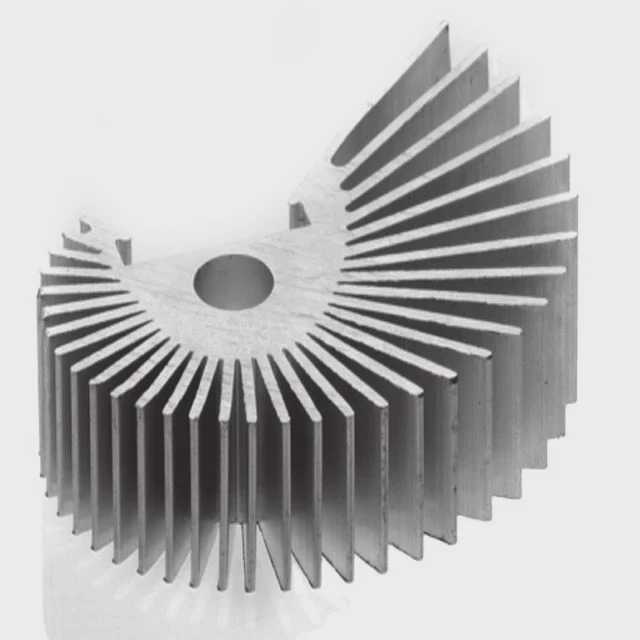
CNC machines operate under demanding conditions. A production line may run for many hours each day. During that time, electrical and mechanical components generate heat continuously. If that heat remains inside the enclosure, performance can suffer.
Why Heat Matters in CNC Equipment
Temperature changes affect both electronics and mechanical parts. Electronic components may experience reduced efficiency. Mechanical structures can expand slightly as temperatures rise. Even small changes can affect precision machining.
Many manufacturers focus heavily on machining tolerances. Yet thermal stability often plays a major role in achieving those tolerances.
Common CNC Components That Need Heat Sinks
| Component | Heat Source | Benefit of Heat Sink |
|---|---|---|
| Servo Drives | Power conversion losses | Lower operating temperature |
| Spindle Motor Controllers | Continuous electrical load | Better reliability |
| Power Supplies | Energy conversion | Longer component life |
| Industrial PCs | Processor heat | Stable operation |
In many projects, customized heat sinks provide better results than standard catalog products. Different enclosure sizes, airflow conditions, and mounting spaces create different thermal requirements.
Why Specialized Designs Are Often Necessary
A CNC control cabinet may contain multiple heat-producing devices in a compact area. Space limitations often prevent the use of oversized cooling hardware.
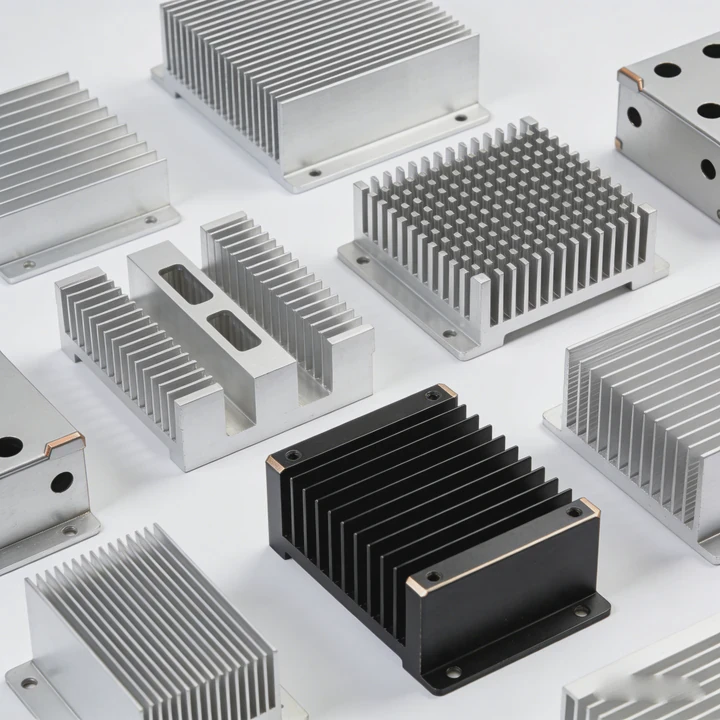
For that reason, many engineers select custom aluminum heat sinks, bonded-fin designs, vapor chamber solutions, or liquid-cooled thermal modules.
Specialized heat sinks can offer:
- Higher heat dissipation efficiency
- Better fit inside limited spaces
- Lower thermal resistance
- Improved reliability under vibration
- Easier integration with existing systems
In one project, a high-power machining center experienced rising controller temperatures during peak production. The original cooling solution used generic extruded heat sinks. After replacing them with a design optimized for airflow and mounting geometry, operating temperatures dropped noticeably. The machine achieved more stable performance during long production cycles.
Factors to Consider
When selecting a heat sink for CNC equipment, several factors matter.
Heat Load
The amount of heat generated determines the required cooling capacity.
Airflow Conditions
Forced-air cooling performs differently from natural convection cooling.
Environmental Conditions
Dust, oil mist, and vibration affect heat sink design choices.
Maintenance Requirements
Industrial users often prefer solutions with minimal maintenance needs.
For CNC applications, thermal management should be viewed as part of machine design rather than an accessory. The more demanding the machining process becomes, the more important effective heat dissipation becomes. Modern CNC equipment now contains increasingly powerful electronics. This trend makes thermal design even more critical. Engineers who address heat management early often achieve better machine stability, lower maintenance costs, and longer equipment life.
Can HVAC Systems Benefit From Large Heat Sinks?
HVAC systems move heat every day, yet many people do not immediately connect them with heat sink technology. Large heat sinks can improve thermal transfer and help electronic controls remain stable.
HVAC systems can benefit from large heat sinks because they improve heat dissipation in power electronics, motor drives, control modules, and energy-efficient system components, which helps maintain reliable operation.
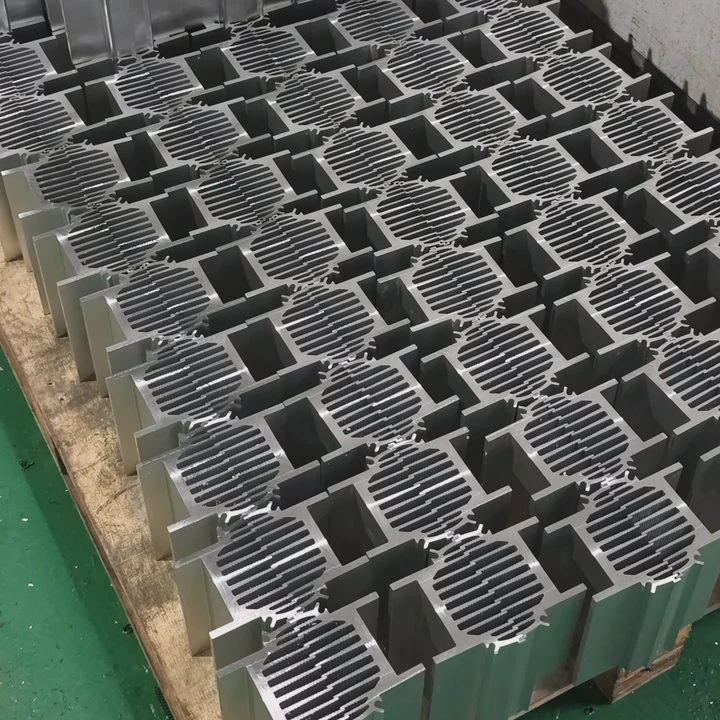
Modern HVAC equipment has changed significantly over the last decade. Older systems relied mainly on mechanical operation. Today’s units include variable frequency drives, smart controllers, sensors, and communication modules.
All of these components generate heat.
Where Heat Sinks Are Used in HVAC Systems
Heat sinks appear in several critical areas:
- Variable frequency drives
- Inverter control boards
- Power modules
- Smart control systems
- Building automation equipment
These systems often operate around the clock. Even moderate heat generation can become significant over time.
Large Heat Sinks vs Small Heat Sinks
Large heat sinks provide greater surface area. More surface area allows more heat transfer into surrounding air.
| Feature | Small Heat Sink | Large Heat Sink |
|---|---|---|
| Surface Area | Limited | High |
| Cooling Capacity | Moderate | Higher |
| Suitable Power Levels | Low to Medium | Medium to High |
| Service Life Impact | Moderate | Stronger thermal protection |
Benefits in Commercial HVAC Installations
Commercial HVAC systems often manage large buildings, factories, hospitals, or transportation facilities. These applications place continuous demands on electrical systems.
A larger heat sink can help by:
Reducing Thermal Stress
Electronic components experience less temperature fluctuation.
Improving Reliability
Lower temperatures generally reduce failure rates.
Supporting Higher Power Density
More electronics can operate safely within the same enclosure.
Extending Component Life
Power semiconductors often benefit from lower operating temperatures.
Large aluminum heat sinks remain popular because aluminum offers a good balance between thermal performance, weight, and cost. In some higher-performance applications, copper heat sinks or hybrid designs may provide additional advantages.
The Role of Energy Efficiency
Energy efficiency regulations continue to become stricter across many markets. HVAC manufacturers seek every opportunity to improve performance.
Thermal management contributes directly to that goal. Cooler electronics usually operate more efficiently. Reduced thermal stress can also lower maintenance costs throughout the system lifecycle.
Many engineers focus on compressors and airflow optimization. Yet thermal design inside the control electronics can have a measurable effect on long-term system performance. This is one reason heat sink selection remains an important part of HVAC product development.
As HVAC systems become smarter, electronic density continues to increase. More sensors, communication devices, and control modules create additional heat loads. Large heat sinks help manufacturers maintain stable temperatures while meeting efficiency goals and reliability requirements.
Are Renewable Energy Devices Compatible?
Renewable energy systems depend heavily on power electronics. As power levels increase, thermal management becomes a major engineering challenge. Heat sinks play a critical role in keeping these systems stable.
Renewable energy devices are highly compatible with heat sinks because solar inverters, wind power converters, battery storage systems, and power control units all generate heat that must be dissipated efficiently.
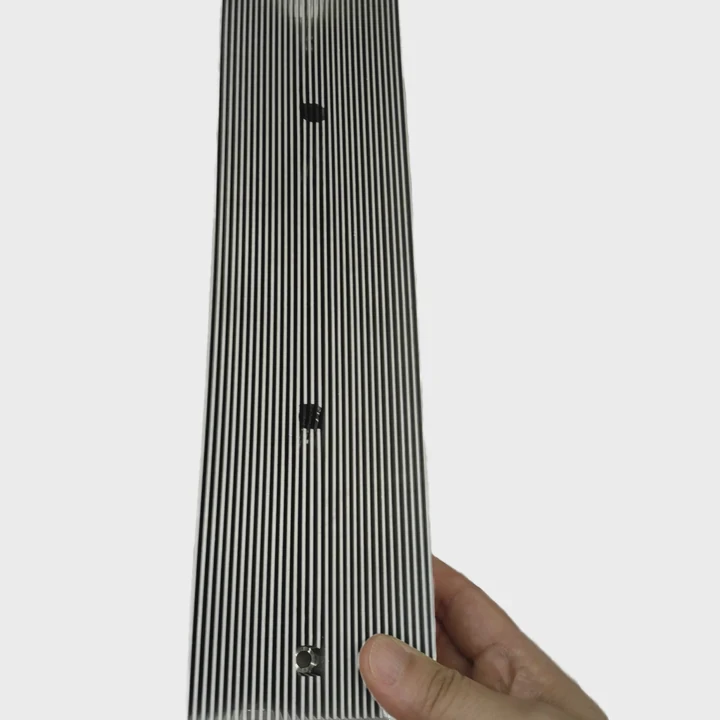
Renewable energy technology has expanded rapidly. Solar farms, wind turbines, energy storage systems, and electric vehicle infrastructure all rely on advanced electronics.
These electronics convert, store, and distribute energy. During that process, heat is generated.
Solar Energy Applications
Solar power systems contain several heat-producing components:
- Inverters
- MPPT controllers
- Battery storage modules
- Monitoring equipment
The inverter is often the most critical thermal management challenge. It converts DC power from solar panels into AC power for use by the grid or facility.
High temperatures can reduce efficiency and shorten inverter lifespan.
Wind Energy Applications
Wind turbines operate in demanding environments. Components may experience temperature extremes, vibration, humidity, and continuous operation.
Heat sinks commonly support:
- Power converters
- Generator control units
- Communication electronics
- Grid interface systems
Reliable thermal performance becomes essential because maintenance access can be difficult and expensive.
Battery Energy Storage Systems
Energy storage has become one of the fastest-growing sectors in renewable energy.
Battery systems generate heat during:
- Charging
- Discharging
- High-load operation
- Fast energy transfer cycles
Without effective thermal management, battery performance can decline.
Why Advanced Heat Sink Technologies Matter
Renewable energy equipment often requires higher thermal performance than traditional industrial electronics.
Several technologies are commonly used.
Extruded Aluminum Heat Sinks
A cost-effective solution for many applications.
Vapor Chamber Heat Sinks
Useful when heat spreading is critical.
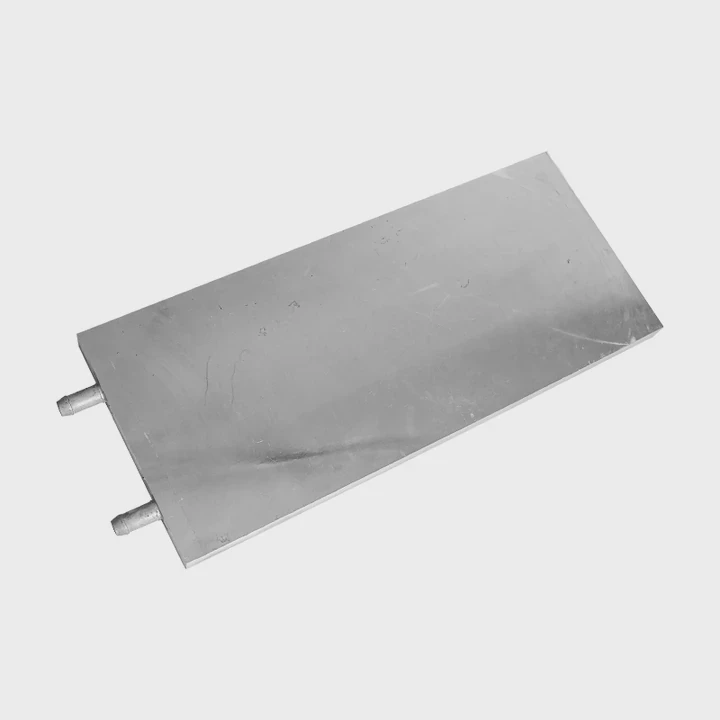
Liquid Cooling Plates
Suitable for high-power energy systems.
Phase Change Thermal Solutions
Effective in demanding thermal environments.
One challenge in renewable energy projects is balancing performance with cost. Engineers must achieve reliable cooling without making the system too expensive.
Long-Term Reliability Requirements
Renewable energy assets often operate for decades. Investors expect long service life and predictable performance.
Thermal management directly affects those goals.
When temperatures remain controlled:
- Electronic efficiency improves
- Failure rates decrease
- Maintenance costs decline
- System availability increases
As renewable energy capacity continues to expand worldwide, heat sink technology remains a key part of system design. Thermal management is no longer a secondary consideration. It has become a core engineering requirement. Companies that invest in better thermal solutions often achieve better energy conversion efficiency and lower lifecycle costs.
Which Heavy Machinery Relies on Thermal Management?
Heavy machinery often operates under extreme loads, harsh environments, and long duty cycles. These conditions generate significant heat that must be controlled to maintain reliability and productivity.
Heavy machinery relies on thermal management in hydraulic systems, power electronics, industrial drives, mining equipment, rail systems, construction machinery, and manufacturing equipment where excessive heat can reduce performance and increase failure risk.
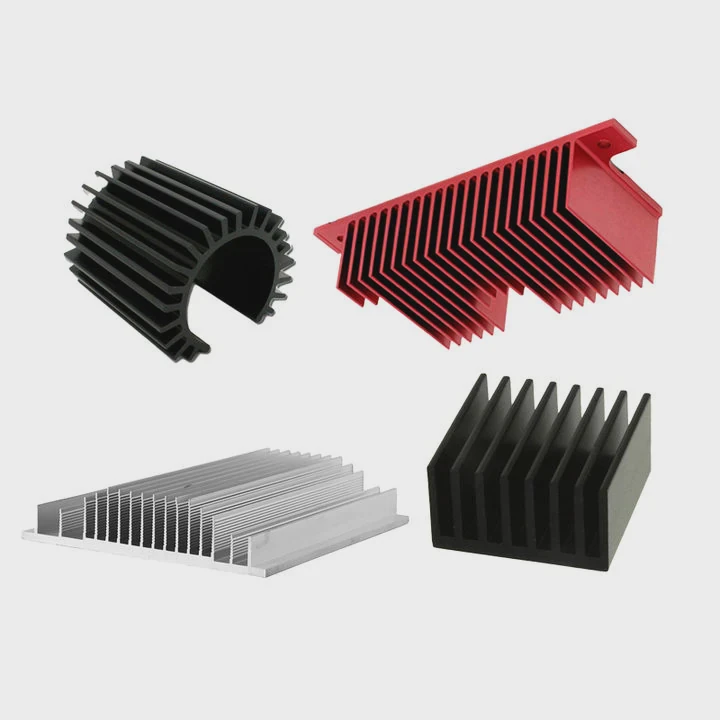
Many people associate heat sinks only with electronic devices. In reality, thermal management plays a much broader role in heavy industry.
Large equipment combines electrical, hydraulic, and mechanical systems. Each system creates heat during operation.
Mining Equipment
Mining machines often work continuously in demanding conditions.
Examples include:
- Drilling equipment
- Haul trucks
- Conveyor systems
- Processing machinery
Power electronics inside these machines require effective cooling to survive harsh operating environments.
Rail Transportation Systems
Modern rail systems depend heavily on thermal management.
Key components include:
- Traction converters
- Power control units
- Communication systems
- Auxiliary power supplies
Rail applications often require strict reliability standards because equipment failures can affect large transportation networks.
Construction Machinery
Construction equipment frequently operates in high ambient temperatures and dusty conditions.
Examples include:
- Excavators
- Cranes
- Loaders
- Paving equipment
Electronic controls continue to become more advanced, increasing the need for efficient thermal solutions.
Industrial Manufacturing Equipment
Factories use numerous high-power machines.
Common examples include:
Welding Systems
Power conversion generates substantial heat.
Laser Equipment
Precision temperature control affects performance.
Industrial Drives
Continuous operation creates steady thermal loads.
Automation Systems
Control electronics require stable temperatures for reliable operation.
Thermal Management Approaches
Different types of machinery require different cooling strategies.
Passive Heat Sinks
These rely on natural convection and radiation.
Forced-Air Cooling
Fans improve heat transfer efficiency.
Liquid Cooling Systems
Suitable for high-power equipment.
Integrated Thermal Modules
Combine multiple cooling technologies within one system.
Selecting the Right Solution
Engineers typically evaluate several factors before choosing a thermal management method.
| Consideration | Importance |
|---|---|
| Heat Load | Determines cooling capacity |
| Available Space | Influences heat sink geometry |
| Environment | Affects material selection |
| Maintenance Needs | Impacts lifecycle cost |
| Reliability Target | Guides thermal design margin |
Heavy machinery manufacturers increasingly view thermal management as a strategic design area rather than a simple component selection task.
As industrial systems become more powerful, electronic content continues to increase. That trend creates greater thermal challenges across nearly every sector.
The most successful equipment designs often begin with thermal planning early in development. When heat dissipation is considered from the start, engineers can optimize performance, reliability, and cost at the same time. That approach helps reduce redesign efforts later and supports long-term operational stability.
Conclusion
Heat sinks deliver the greatest value in industrial equipment that produces continuous heat and demands high reliability. CNC machines, HVAC systems, renewable energy devices, and heavy machinery all depend on effective thermal management to improve efficiency, extend service life, and maintain stable performance.