Which Heat Sinks Have ISO Certification?
- Yongxing
- 27 Jun ,2026
Many buyers choose a heat sink supplier too fast. Later, they find unstable quality, missing reports, or failed audits. That problem often starts with weak certification control.
ISO-certified heat sinks usually come from manufacturers that follow ISO9001, IATF16949, or ISO14001 systems. These certifications show that the supplier follows controlled production, testing, traceability, and quality management processes.
Many engineers and procurement teams now ask for ISO certification before discussing price. This trend is common in rail transit, energy storage, 5G communication, medical equipment, and industrial power systems. Certification does not only support compliance. It also reduces project risk and improves supply chain stability.
How to verify ISO compliance for heat sinks?
A supplier may claim ISO certification on its website. Still, many buyers later discover expired certificates, incomplete audits, or certifications that do not match the real factory. This creates serious risks during production.
The best way to verify ISO compliance for heat sinks is to check valid certificates, certification scope, audit dates, factory records, and traceability documents directly from the manufacturer and certification body.
Many buyers only look for an ISO logo on a quotation sheet. That is not enough. A serious supplier should provide complete certification proof and technical records.
Check the Certification Scope
Some factories hold ISO certificates for unrelated products. The certification may cover packaging or trading activities only. Buyers should confirm that the scope includes heat sink manufacturing, thermal modules, machining, welding, or related thermal management products.
Here is a simple verification checklist:
| Verification Item | What to Check |
|---|---|
| Certificate validity | Expiration date and active status |
| Certification scope | Heat sink or thermal system manufacturing |
| Factory name | Matches supplier company name |
| Certification body | Internationally recognized organization |
| Audit cycle | Annual surveillance audits |
| Production records | Traceability and inspection reports |
Ask for Real Manufacturing Evidence
Reliable suppliers usually provide:
- Incoming material inspection reports
- Thermal performance testing records
- Dimensional inspection reports
- Welding qualification documents
- Reliability testing data
- Process flow charts
For example, many European rail transit customers request EN15085 and ISO9001 records together. They want to see welding process control and long-term thermal stability reports before approving suppliers.
Verify the Certification Body
Not all certification organizations have the same credibility. Buyers should verify the certification body online. Well-known organizations usually maintain searchable databases.
Some purchasing managers also request:
- Factory audit videos
- Production line photos
- Internal quality manuals
- Calibration reports
- SPC process records
Why This Matters in Heat Sink Manufacturing
Heat sinks are not simple metal parts anymore. Modern thermal systems often combine:
- CNC machining
- Vacuum brazing
- Friction stir welding
- Heat pipe integration
- Vapor chamber assembly
- Surface treatment
Each process affects thermal resistance and reliability. Without controlled procedures, batch consistency becomes unstable.
Common Problems Found in Non-Compliant Factories
Many sourcing teams discover these issues during audits:
| Common Problem | Risk Created |
|---|---|
| No material traceability | Unknown alloy performance |
| No thermal testing | Unstable cooling efficiency |
| Weak document control | Production inconsistency |
| No calibration records | Incorrect measurements |
| Uncontrolled welding | Leakage or structural failure |
In one project for a power electronics customer, a supplier delivered samples with good thermal performance. Still, mass production failed because the brazing process was not stable. The thermal resistance changed between batches. The customer later switched to an ISO-audited manufacturer with full process documentation.
That situation is very common in custom heat sink projects.
Do ISO-certified heat sinks cost more?
Many buyers worry that ISO-certified heat sinks will increase project cost too much. Some procurement teams try to reduce price first and review certifications later. This approach often creates bigger costs during production.
ISO-certified heat sinks may cost slightly more upfront because certified manufacturers invest in audits, testing systems, process control, and quality management. Still, they often reduce long-term risk, failure rates, and replacement costs.
Price differences usually come from manufacturing control systems rather than the aluminum itself.
What Creates the Extra Cost?
Certified factories invest heavily in:
- Quality engineers
- Inspection equipment
- Thermal testing systems
- Staff training
- Calibration programs
- Process documentation
- Audit preparation
- Traceability systems
These investments improve production stability.
Cost Comparison Example
| Supplier Type | Initial Cost | Long-Term Risk |
| Non-certified supplier | Lower |
| ISO-certified supplier | Moderate |
| Advanced certified supplier | Higher |
The cheapest supplier may become expensive later because of:
- Production delays
- Rejected batches
- System overheating
- Warranty claims
- Customer complaints
- Field maintenance costs
Why OEM Buyers Prefer Certified Suppliers
Large OEM customers often focus on total lifecycle cost rather than unit price.
For example:
Renewable Energy Systems
Power conversion systems run continuously for many years. Poor thermal performance may reduce inverter lifespan and create shutdown risks.
Rail Transit Equipment
Rail systems require stable cooling under vibration, dust, and temperature cycling conditions. Certification helps ensure manufacturing consistency.
Medical Equipment
Medical systems need stable thermal control for long operating hours. Small thermal failures can damage sensitive electronics.
Stable Processes Reduce Hidden Costs
ISO-certified manufacturers usually maintain:
- Controlled machining tolerances
- Stable welding quality
- Consistent anodizing thickness
- Verified thermal interface assembly
- Repeatable testing standards
These controls reduce hidden production losses.
Why Low-Cost Heat Sinks Sometimes Fail
Some low-cost suppliers skip critical processes:
| Missing Process | Possible Result |
|---|---|
| Thermal simulation | Poor heat distribution |
| Flatness inspection | Weak interface contact |
| Leak testing | Cooling failure |
| Material certification | Low conductivity |
| Reliability testing | Short service life |
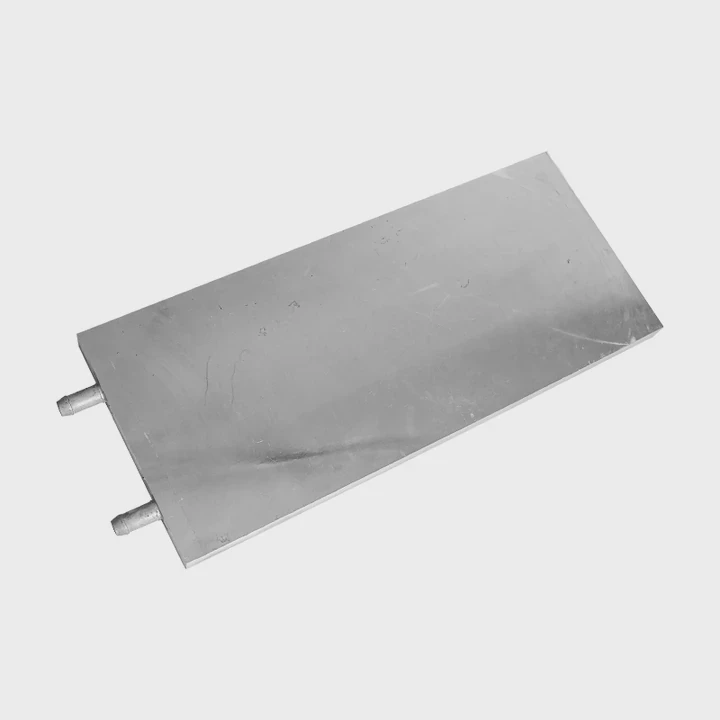
One energy storage customer once selected a low-price liquid cooling plate supplier. Initial samples looked acceptable. Still, leakage appeared after six months because welding inspections were incomplete. The replacement cost became much higher than the original savings.
This situation explains why many global buyers now include ISO certification as a basic sourcing requirement.
Are manufacturing processes audited for ISO standards?
Some buyers believe ISO certification only checks paperwork. In reality, real ISO audits review manufacturing systems, production control, inspection procedures, and operational consistency.
Yes, manufacturing processes are audited for ISO standards. Auditors inspect production control systems, quality records, employee procedures, testing methods, calibration systems, and process traceability inside the factory.
Audits usually happen in several stages.
What Auditors Actually Review
Auditors normally inspect:
- Raw material management
- CNC machining control
- Welding procedures
- Thermal testing systems
- Production records
- Equipment calibration
- Employee training
- Corrective action systems
For heat sink factories, welding and thermal testing processes receive strong attention because they directly affect cooling performance.
Heat Sink Manufacturing Requires Multi-Process Control
Modern heat sink production combines many technologies.
Machining
CNC machining affects surface flatness and assembly precision.
Welding
Vacuum brazing, laser welding, and friction stir welding must maintain structural stability and thermal efficiency.
Surface Treatment
Anodizing quality affects corrosion resistance and thermal radiation performance.
Assembly
Thermal interface materials and module integration require controlled assembly conditions.
Example of an ISO Audit Flow
| Audit Stage | Main Focus |
|---|---|
| Document review | Procedures and manuals |
| Factory inspection | Production conditions |
| Process audit | Manufacturing consistency |
| Testing verification | Inspection reliability |
| Corrective actions | Problem-solving ability |
Traceability Is a Major Audit Area
Strong factories maintain complete traceability systems.
A single heat sink batch may include:
- Aluminum source records
- CNC batch numbers
- Welding operator information
- Inspection reports
- Thermal test data
- Packaging records
This traceability becomes critical in aerospace, railway, and semiconductor applications.
Internal Audits Matter Too
Good manufacturers do not only prepare for external audits. They also perform internal audits regularly.
Internal reviews often examine:
- Process deviation
- Customer complaints
- Production efficiency
- Equipment maintenance
- Operator mistakes
- Scrap analysis
Audits Help Improve Process Stability
Audits are not only for certificates on the wall. They help factories improve manufacturing systems over time.
One thermal module project required very low thermal resistance variation between batches. The engineering team improved fixture design, welding control, and inspection frequency after internal audit findings. Batch consistency improved significantly afterward.
This type of continuous improvement is one reason many industrial buyers prefer ISO-certified suppliers for long-term cooperation.
Does certification indicate quality assurance?
Many buyers assume certification guarantees perfect products. That is not completely true. Certification supports quality systems, but actual product performance still depends on engineering ability, manufacturing experience, and process control.
Certification indicates that a manufacturer follows structured quality assurance systems, documented procedures, and controlled production methods. Still, buyers should also review engineering capability, thermal testing, and real production experience.
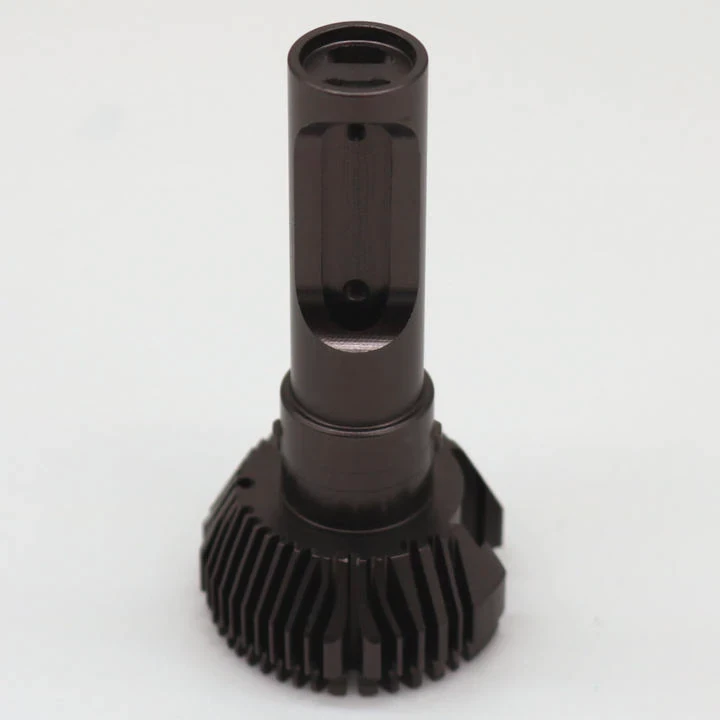
Certification creates a framework for stable manufacturing.
What Quality Assurance Usually Includes
ISO-based quality assurance often covers:
- Material inspection
- Process documentation
- Equipment calibration
- Employee training
- Inspection standards
- Corrective action systems
- Customer complaint handling
- Continuous improvement
These systems reduce manufacturing risk.
Certification Alone Is Not Enough
Some factories hold certificates but still lack deep thermal engineering experience.
That is why serious buyers also review:
| Evaluation Area | Why It Matters |
|---|---|
| Thermal simulation ability | Predicts cooling performance |
| Welding technology | Affects reliability |
| Mass production consistency | Prevents batch variation |
| Testing capability | Verifies thermal data |
| OEM experience | Supports complex projects |
Engineering Experience Makes a Big Difference
High-power heat sinks often work under difficult conditions:
- High vibration
- Thermal cycling
- Dust exposure
- Moisture
- Continuous operation
A supplier may pass ISO audits but still fail in practical thermal design if engineering capability is weak.
Reliable Suppliers Usually Show These Strengths
Complete Testing Ability
Good manufacturers often provide:
- Wind tunnel testing
- Thermal resistance testing
- Vibration testing
- Salt spray testing
- Leakage testing
- Reliability testing
Process Integration
Advanced suppliers can complete multiple manufacturing processes internally. This improves quality consistency and delivery control.
Technical Communication
Professional engineering teams respond quickly and provide detailed reports, drawings, and thermal analysis support.
Certification Builds Buyer Confidence
Many international buyers use certification as a supplier entry requirement.
This is especially common in:
- Railway systems
- Energy storage systems
- Electric vehicles
- 5G communication equipment
- Medical systems
- Aerospace electronics
In these industries, heat sink failure can damage entire systems.
Why Long-Term Stability Matters
Thermal systems often operate for many years without shutdown.
Stable quality helps reduce:
- Maintenance cost
- Downtime risk
- Warranty claims
- System overheating
- Product recalls
One industrial control customer once changed suppliers because of inconsistent thermal interface flatness. Even small surface differences increased thermal resistance and caused overheating in field operation. After moving production to a certified and process-controlled supplier, failure rates dropped significantly.
That example shows an important point. Certification alone does not create quality. Still, structured manufacturing systems strongly improve the chance of stable, repeatable, and reliable heat sink production.
Conclusion
ISO certification helps buyers identify heat sink manufacturers with controlled production systems, traceability, and quality management processes. Still, the best sourcing decision combines certification review, engineering evaluation, thermal testing verification, and long-term manufacturing reliability assessment.