What is the maximum size of a heat sink?
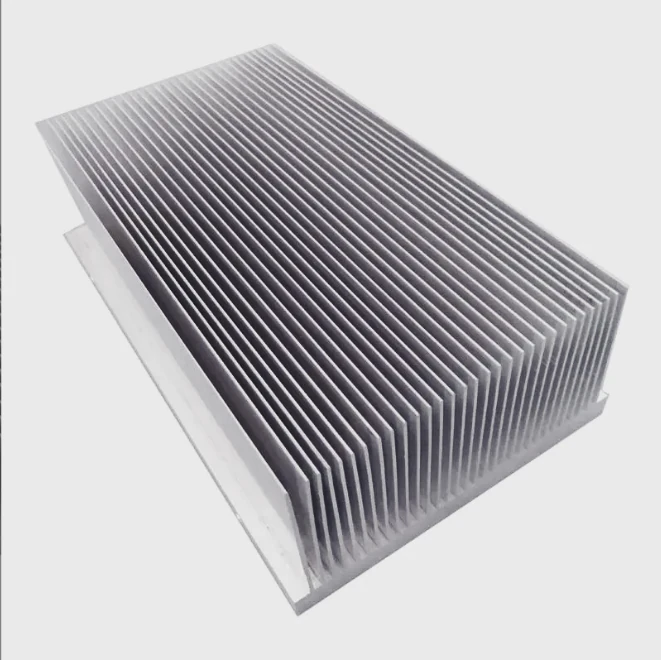
Heat sinks are vital for keeping electronics cool. Many engineers wonder if making them bigger always helps solve overheating problems. The maximum size of a heat sink depends on multiple factors
view moreHeat sinks are vital for keeping electronics cool. Many engineers wonder if making them bigger always helps solve overheating problems. The maximum size of a heat sink depends on multiple factors
view moreOceans cover most of our planet and are warming faster than we realize. This creates risks for ecosystems and humans alike. Oceans act as massive heat sinks by absorbing and storing vast amounts of
view moreRising temperatures now affect cities, oceans, forests, and industries. Many people hear about “heat sinks” but do not fully understand how nature controls heat every day. A natural heat sink is any
view moreGlobal temperatures continue to rise, yet many people do not understand where much of this heat actually goes. This missing piece makes climate change harder to explain clearly. A heat sink in
view moreOpening a high-power device, you notice the heat rising quickly. Why do some heat sinks fail to keep devices cool? The answer lies in understanding how heat moves. Heat sinks use conduction and
view moreHeat buildup can damage electronics fast. Many systems fail because heat does not move away in time. Poor thermal control also cuts product life and lowers system stability. Heat transfer in a heat
view moreHeat buildup in electronics can cause serious damage fast. Without proper cooling, devices overheat and fail. Fins on heat sinks help transfer heat from the device to the surrounding air more
view moreHeat builds up fast in electronics. That heat can damage parts and reduce life. Many people see fins but do not know how they help. This gap causes poor design choices. Heat sink fins work by
view moreHeat builds up fast in modern devices. Many systems fail early because heat is not managed well. This problem keeps getting worse as power density rises. Yes, water is a very effective heat sink
view moreHeat builds up fast in modern devices. Many systems fail because of poor cooling. This creates risk, cost, and downtime for engineers and buyers. Copper is better in thermal conductivity, but
view moreMany wonder if aluminum can handle high heat in electronics efficiently. Aluminum is widely used for heat sinks because it balances cost, weight, and thermal conductivity, making it effective for
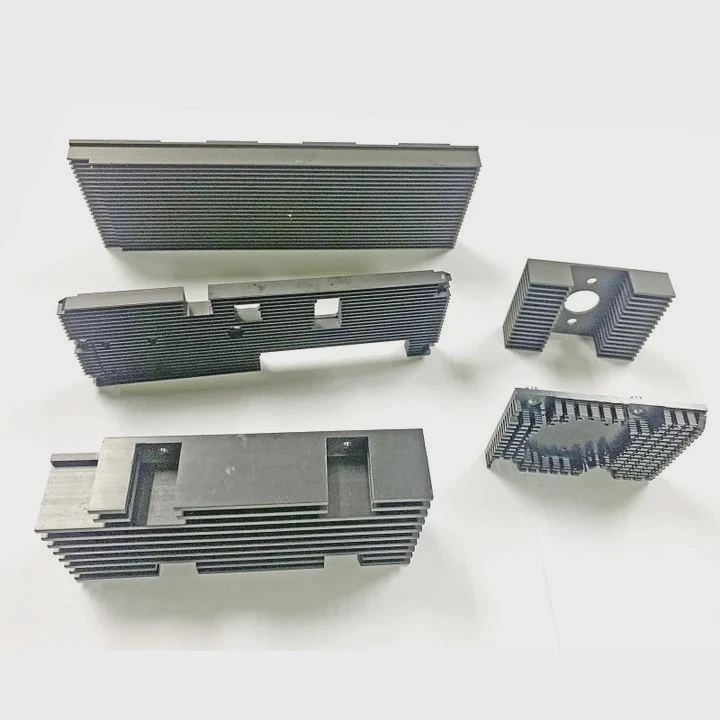
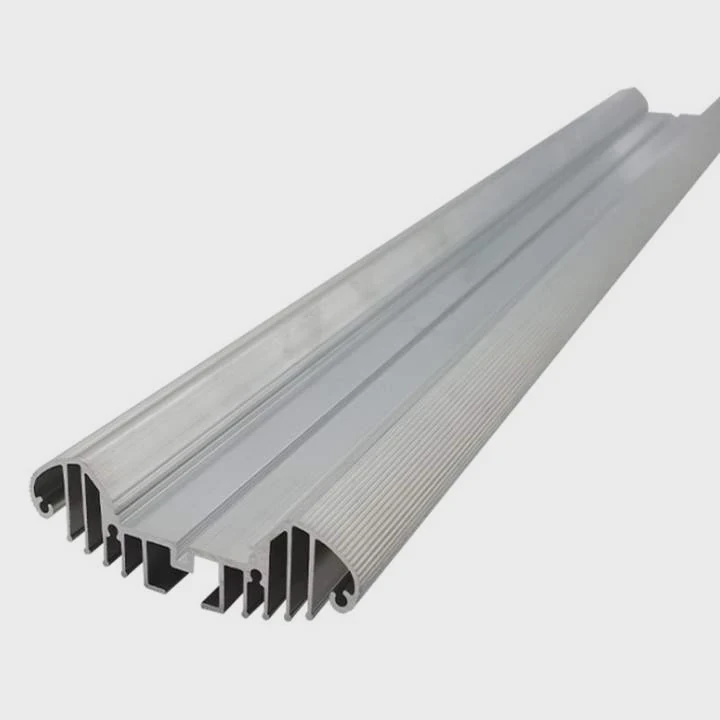
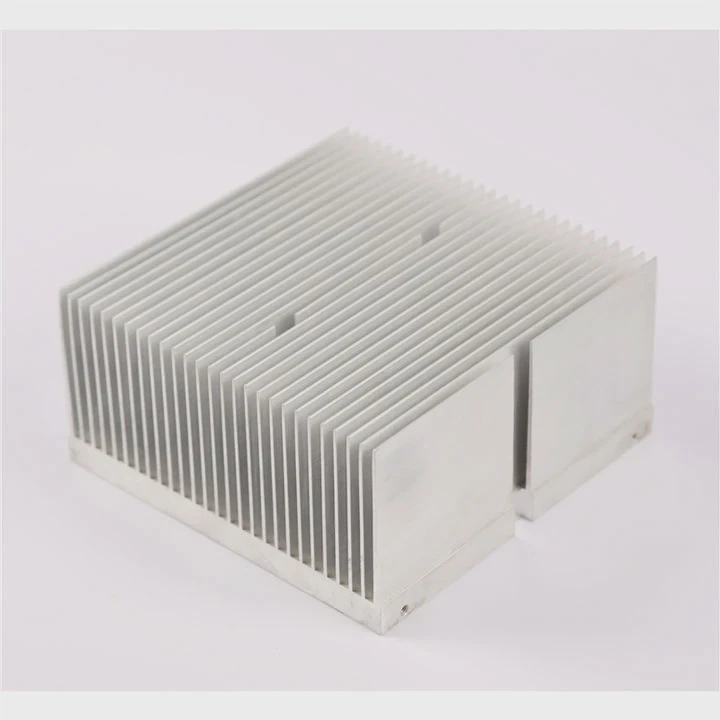
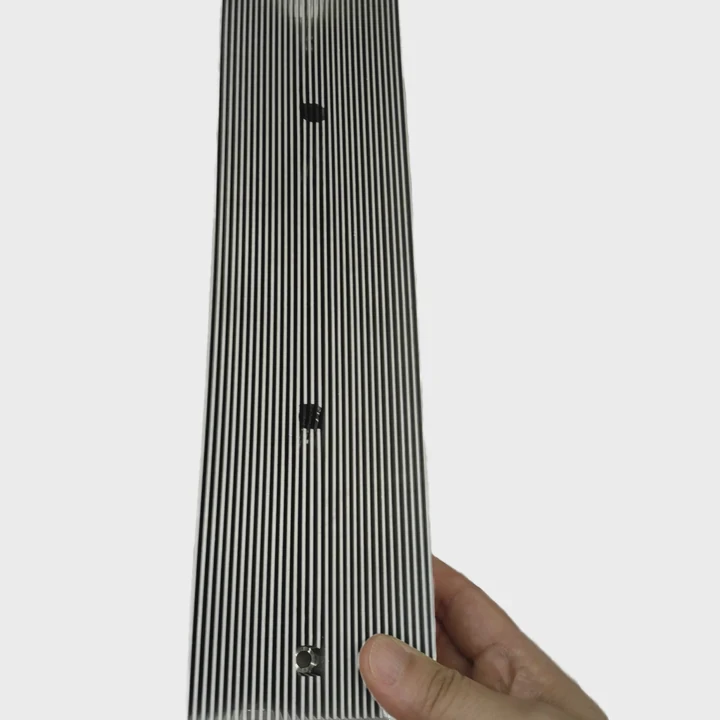
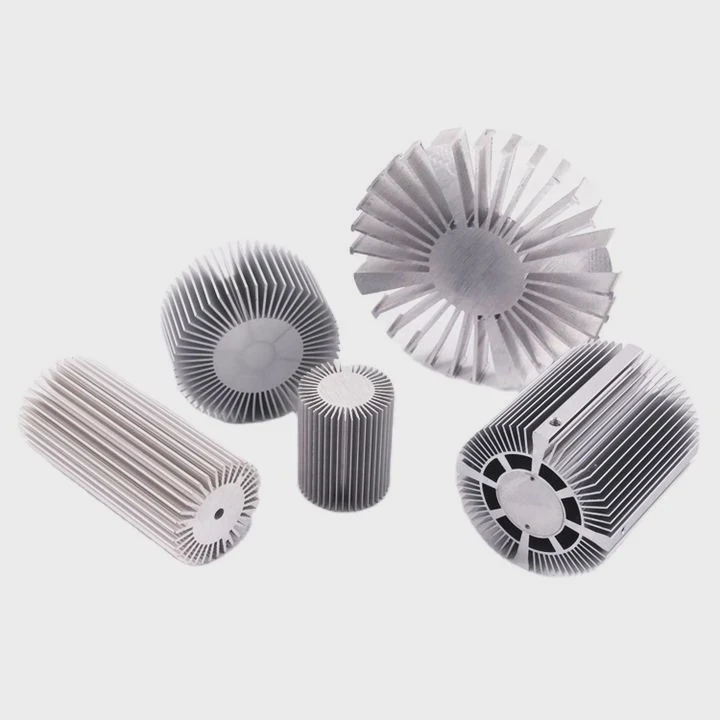
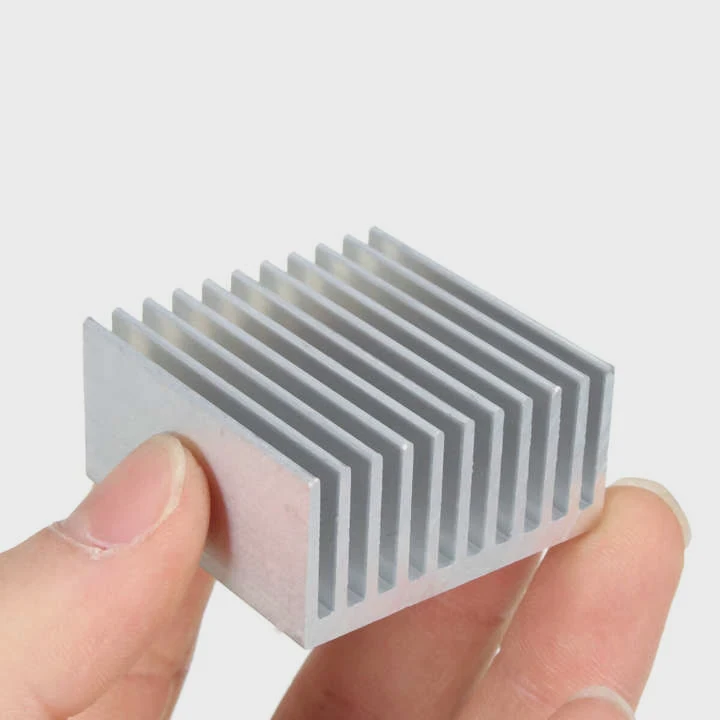
view moreHeat sinks may seem simple, yet many struggle to recognize their designs at first glance. Heat sinks are devices that manage heat, and they come in many forms, from simple flat plates to complex
view more