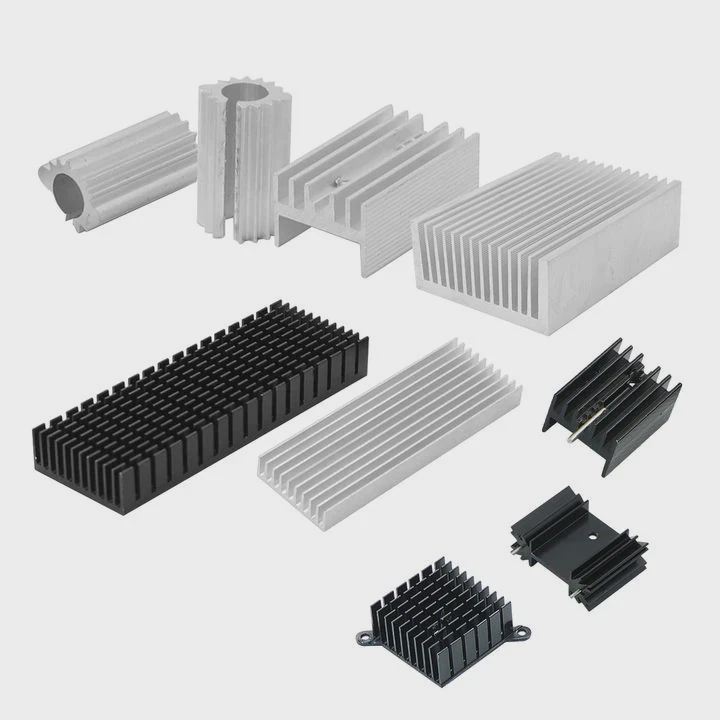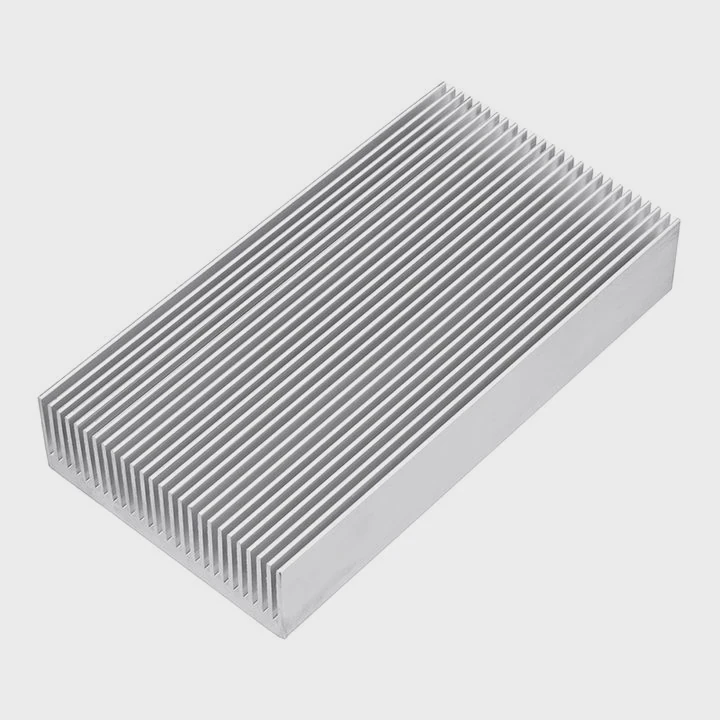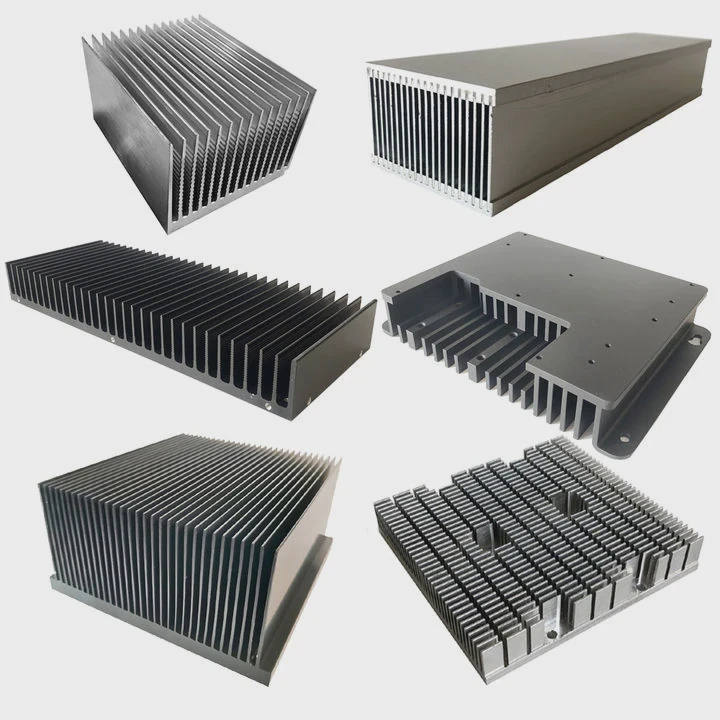
Does a CPU Need a Heat Sink?
Opening paragraph: CPUs generate significant heat during operation. Without proper cooling, they can slow down or become damaged. A CPU heat sink prevents overheating by absorbing heat from the
view moreOpening paragraph: CPUs generate significant heat during operation. Without proper cooling, they can slow down or become damaged. A CPU heat sink prevents overheating by absorbing heat from the
view moreComputers generate heat constantly, which can cause slowdowns or damage. Heat sinks control temperature and keep systems running smoothly. A heat sink improves system stability by moving heat away
view moreMany users push their SSDs hard. Data transfers are fast, but the device can overheat and throttle performance unexpectedly. A heat sink helps an SSD maintain consistent speeds by dissipating heat,
view moreRAM modules can run hot under heavy load. Heat sinks help keep temperatures down and maintain performance. Heat sinks affect RAM performance by improving heat dissipation, reducing thermal throttling
view moreM.2 SSDs are tiny but fast, and speed generates heat. Without proper cooling, performance can drop and lifespan may shorten. A heat sink keeps M.2 SSDs cooler, reducing thermal throttling and
view moreRaspberry Pi can get hot quickly when running multiple tasks. Using a heat sink can prevent crashes and slowdowns during long sessions. A heat sink helps Raspberry Pi stay cool by drawing heat from
view moreModern automotive systems create more heat than many engineers expect. Poor heat sink installation can reduce performance, damage electronics, and shorten product life. Many failures start from small
view morePC components generate heat during operation. Heat sinks help manage this heat and maintain stable performance. Heat sinks impact PC performance by dissipating excess heat, preventing thermal
view moreIndustrial equipment often runs at high temperatures for long hours. Excess heat can damage parts, reduce efficiency, and stop production lines. Many engineers struggle to find stable cooling
view moreMany heat sinks fail because of poor flatness, weak fit, or unstable dimensions. These small errors can raise temperature fast and reduce product life in demanding systems. CNC machining can achieve
view moreHeat sinks fail when devices overheat, costing time and money. Choosing the right alloy can prevent this problem. Aluminum, copper, and composite alloys dominate the market for heat sinks, each
view moreElectronics often overheat, causing failures. Many companies face cooling challenges that demand precise heat management solutions. Heat sinks are used across electronics, automotive, renewable
view more