
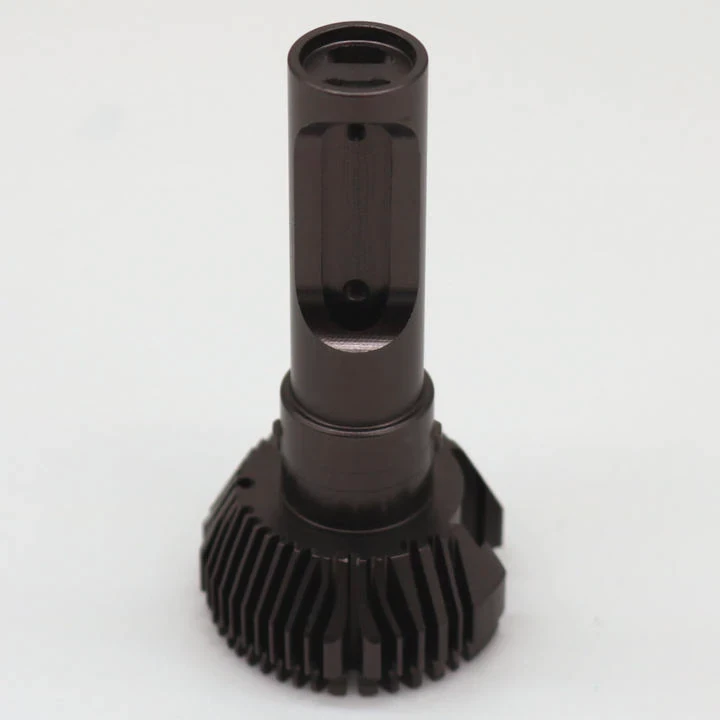
Heat sink for CPU?
Overheating ruins performance fast. Many systems fail because cooling is ignored. That problem grows with high-power CPUs. Most users notice it only after damage starts. A CPU heat sink removes heat
view moreOverheating ruins performance fast. Many systems fail because cooling is ignored. That problem grows with high-power CPUs. Most users notice it only after damage starts. A CPU heat sink removes heat
view more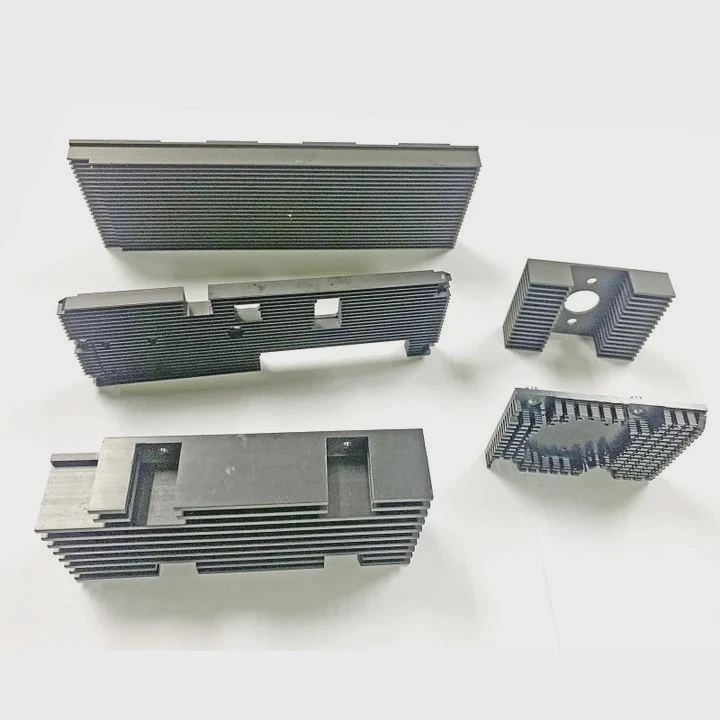
Heat problems often damage devices or reduce performance. Many engineers feel confused when choosing cooling solutions. This confusion leads to wrong design choices and costly fixes. A heat sink
view more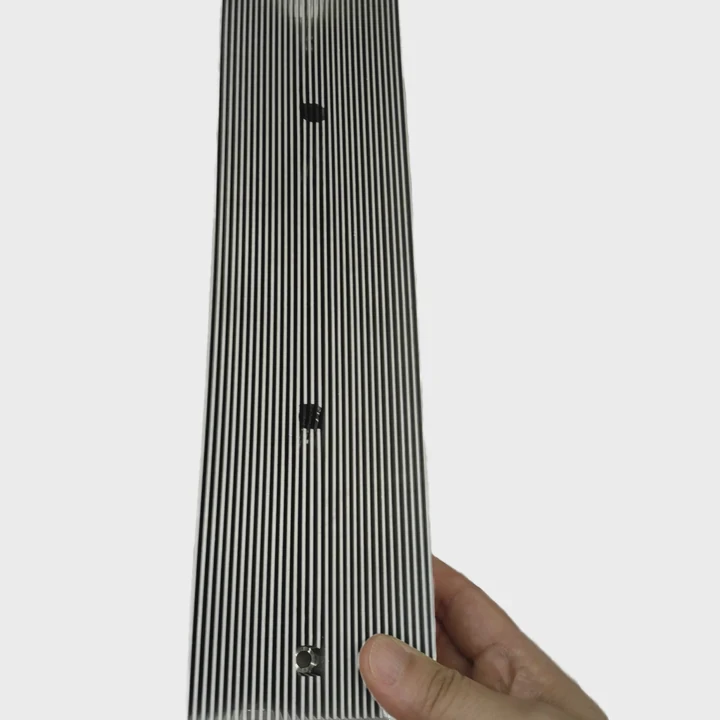
Hot components fail. Overheating kills performance and lifespan. Many engineers struggle to choose the right cooling method. This confusion leads to poor system design and costly failures. Active
view more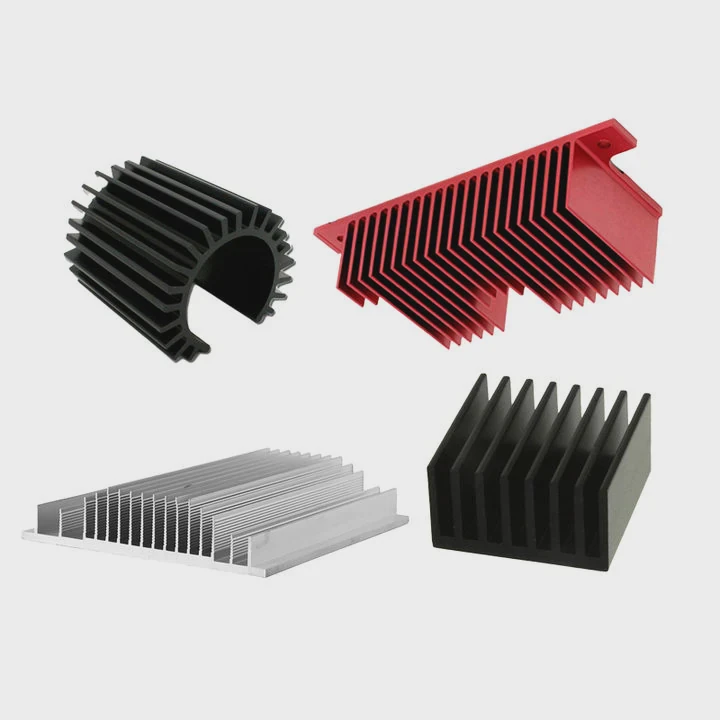
Heat problems destroy performance fast. Devices overheat, slow down, and fail. Many systems still rely on passive cooling, but that often cannot handle high power loads. An active heat sink uses both
view moreHeat builds up fast in electronics. That heat damages parts and reduces life. Many systems fail early because cooling is weak or poorly designed. A passive heat sink is a cooling device that removes
view more
Heat builds up fast in modern devices. Many systems fail early because cooling is not efficient enough. Aluminum is widely used for heat sinks because it offers good thermal conductivity, low weight,
view moreHeat builds up fast in high-power devices. Many systems fail early because cooling is not enough. This creates risk, cost, and downtime. A good heat sink removes heat quickly, spreads it evenly, and
view more
Overheating damages devices fast. Many systems fail because heat is not managed well. This problem keeps growing as power density rises. Heat sinks are usually made of metals like aluminum and copper
view more
Many people expect magnets to stick to all metals, but aluminum often breaks that expectation and causes confusion. No, magnets do not stick to aluminum in normal conditions because aluminum is not
view more
Many people use aluminum daily, yet few know where it actually comes from. This gap creates confusion, especially when sourcing materials for industrial applications. Aluminum is not found as pure
view moreMany people throw away aluminum cans every day. That means lost money. You may also miss a simple way to earn extra cash with little effort. You can sell aluminum cans at recycling centers, scrap
view more
Many people use aluminum daily, yet few know its discovery story. This gap often leads to confusion about its history and industrial value. Aluminum was first isolated in 1825 by Hans Christian
view more